Traditional room design ideas
Timeless elegance with rich fabrics and classic millwork
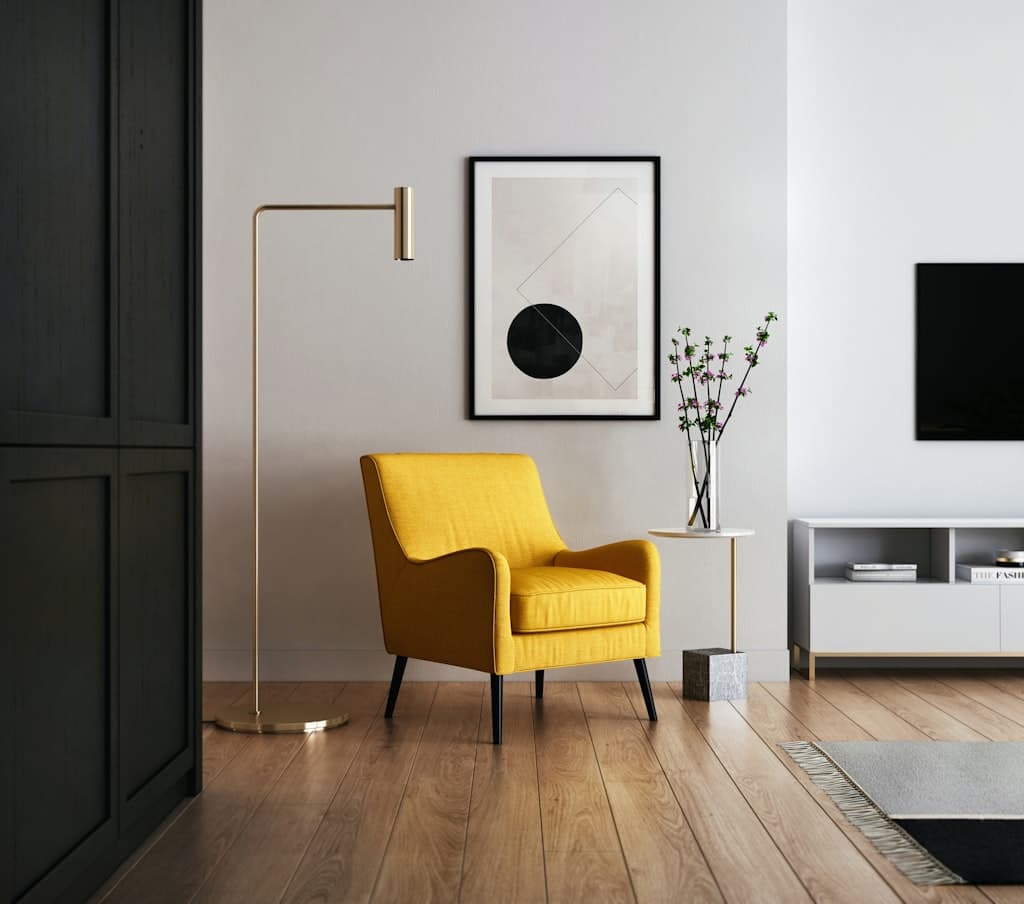 Before
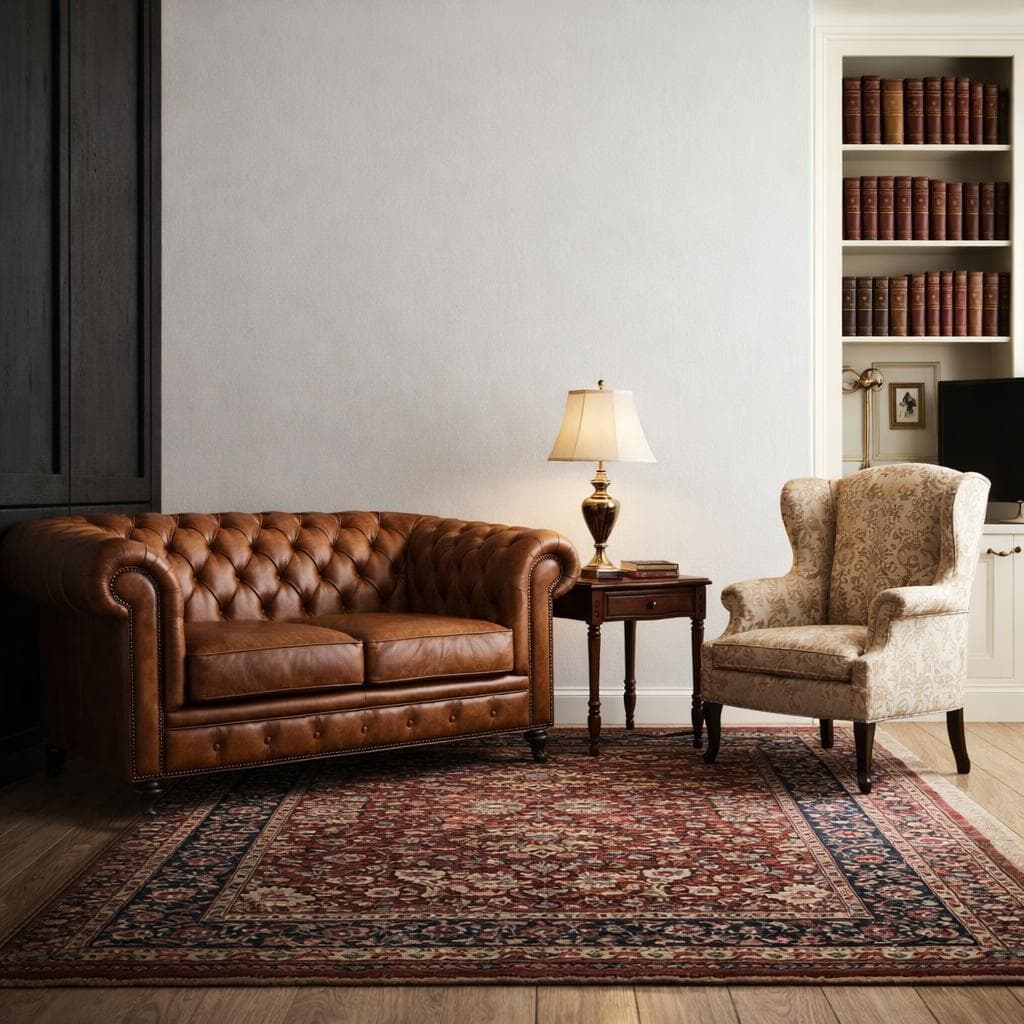 After
After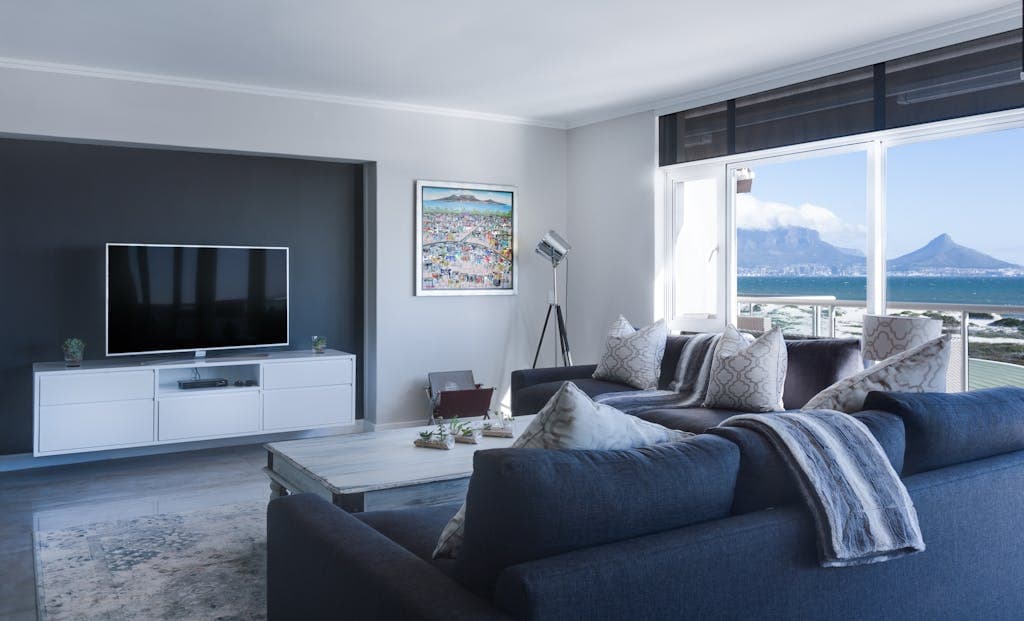 Before
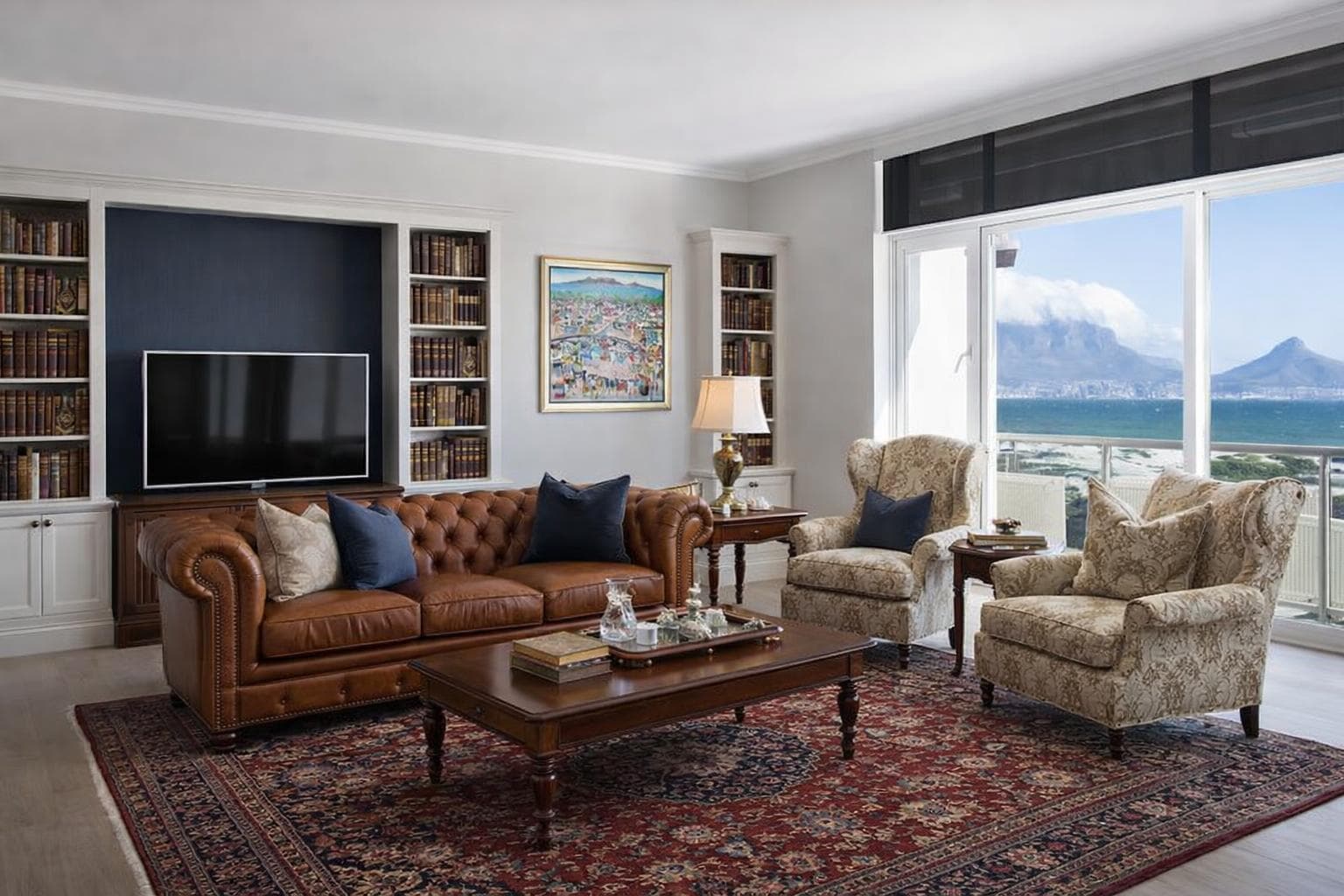 After
AfterSee Traditional in your room before you buy
Upload a photo and get a photorealistic redesign in under a minute
Key elements of Traditional
Architectural millwork
Crown molding, wainscoting, coffered ceilings, and built-in bookcases provide the layered architectural framework traditional rooms require.
Symmetrical arrangements
Matching pairs of lamps, chairs, and accent tables flank fireplaces and focal walls, creating the formal balance the style demands.
Rich wood furniture
Mahogany, cherry, and walnut pieces with carved details, turned legs, and traditional joinery anchor every room.
Layered fabrics
Damask, toile, silk, and tapestry appear in curtains, upholstery, and pillows, building a textile complexity that rewards close examination.
Persian and Oriental rugs
Handknotted rugs with intricate floral or geometric patterns provide the foundation layer of color, pattern, and warmth.
Fireplace focal point
A detailed mantelpiece serves as the room's center of gravity, typically flanked by built-in shelving or artwork.
Traditional works particularly well in:
Styles that pair well with Traditional
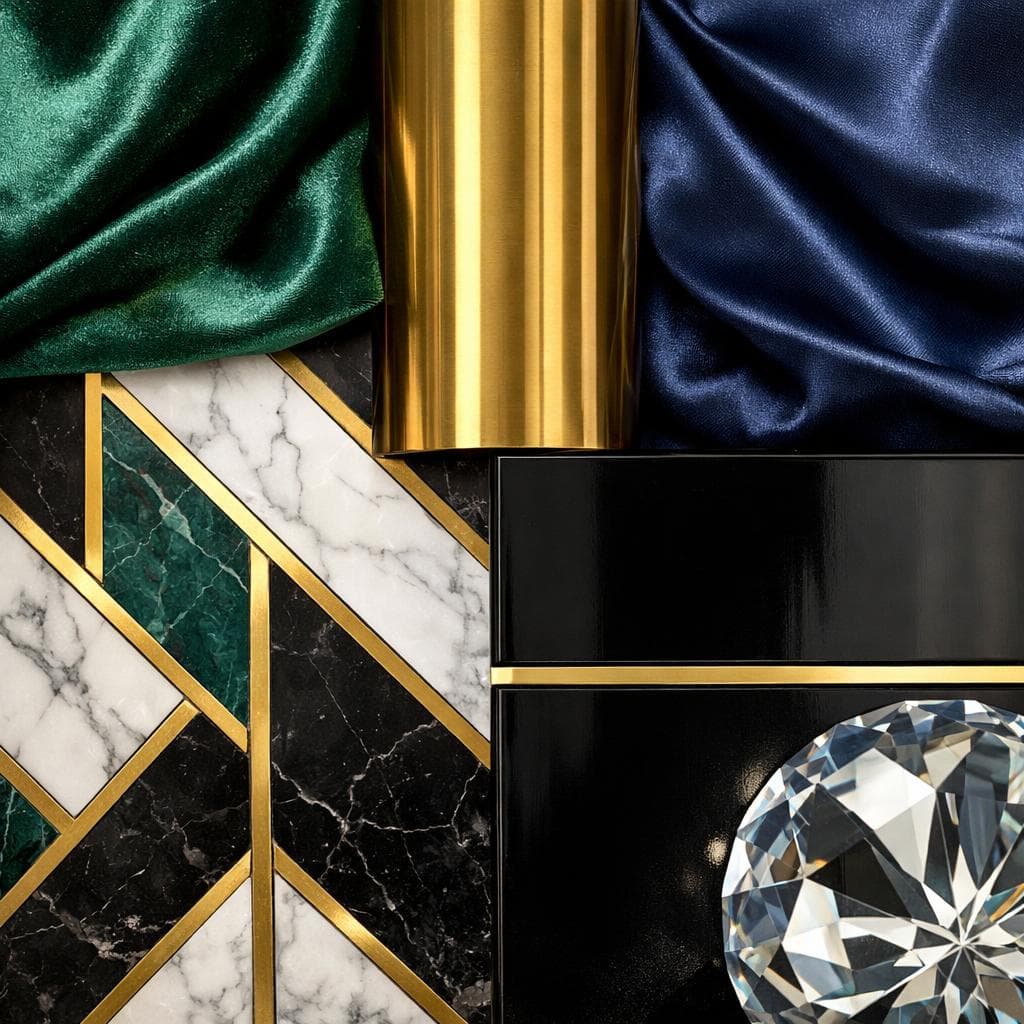
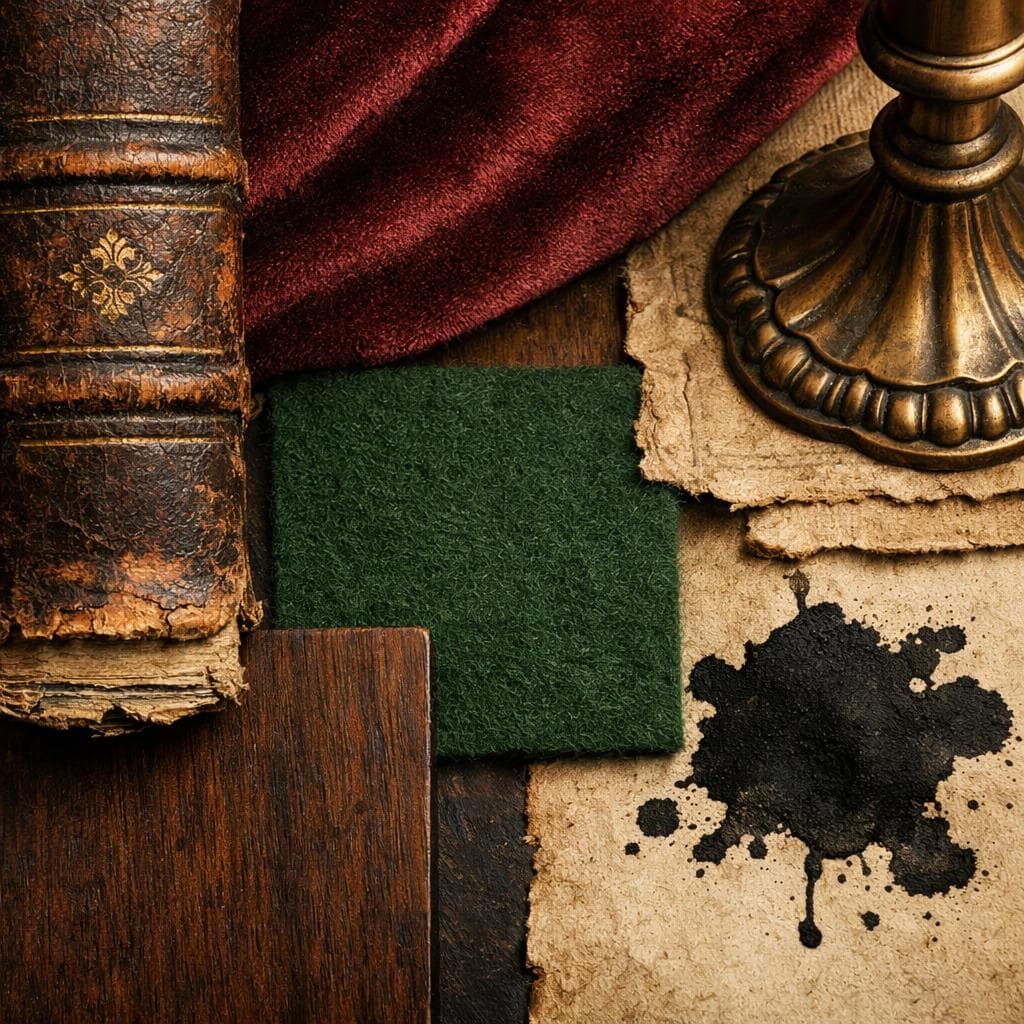
Traditional interior design draws its vocabulary from the classic European styles of the eighteenth and nineteenth centuries, particularly English, French, and Italian design traditions. It speaks the language of symmetry, rich wood tones, layered fabrics, and architectural details like crown molding, wainscoting, and coffered ceilings. Far from being a museum recreation, well-executed traditional design feels warm, collected, and deeply comfortable, the kind of room where you instinctively want to sit down and stay awhile.
The traditional palette is rich and warm. Deep reds, forest greens, navy blues, and burgundy share the stage with warm creams, soft golds, and burnished browns. Walls might be painted in a deep library green or covered in a classic damask or toile wallpaper. Wood tones run warm and dark: mahogany, cherry, and walnut appear in furniture, built-in cabinetry, and flooring. The effect is one of enveloping richness, where every surface has depth and character.
Furniture in traditional rooms has a formality and gravitas that rewards close inspection. Chesterfield sofas with deep button tufting, wingback armchairs in tapestry fabric, and claw-foot dining tables represent the archetypal forms. Pieces are arranged symmetrically around focal points, typically a fireplace flanked by matching bookcases or a pair of table lamps. Textiles are layered and luxurious: silk curtains with tassel tiebacks, Persian area rugs, embroidered pillows, and fringed throws.
Modernizing traditional style means editing for comfort without losing character. Choose two or three classic anchor pieces like a Chesterfield sofa and a wingback chair, then balance them with lighter, less ornate companions. Simplify window treatments to linen panels instead of heavy swags. Paint dark wood trim in white or cream to brighten the room. Mix in a few contemporary accessories like abstract art or a modern floor lamp. The result honors tradition while feeling fresh and livable.
Frequently asked questions
Can traditional design feel young and fresh?
Absolutely. The key is editing and contrast. Use traditional anchor pieces like a tufted sofa or wingback chair but upholster them in unexpected colors like blush or slate. Mix in modern artwork and contemporary lighting. Keep walls lighter and reduce heavy window treatments. This approach honors the craftsmanship of traditional furniture while creating a room that feels current.
How much architectural detail do I need for a traditional room?
You do not need a period home. Adding crown molding, a chair rail, or built-in shelving to any room creates enough framework. Even picture-frame wainscoting on a single wall provides the layered architecture the style relies on. Focus on one or two impactful additions rather than renovating every surface.
What window treatments suit traditional interiors?
Floor-length panels in linen, silk, or cotton sateen with a subtle pattern or solid color work best for a modern traditional look. For more formal rooms, pinch-pleat drapes with a contrast-banded edge are elegant. Avoid overly fussy treatments like multi-layered swags and jabots, which can feel heavy and dated.
Is traditional furniture comfortable for daily use?
Generally yes, especially pieces designed for the living room like Chesterfield sofas and wingback chairs. These forms have endured for centuries precisely because they are comfortable. Look for reproductions with modern cushioning materials and eight-way hand-tied springs for the best combination of classic form and contemporary comfort.
See Traditional before you commit
Upload a photo and get a photorealistic AI redesign in under a minute. Start with 2 free renders.