Mediterranean room design ideas
Terracotta, arched doorways, and sun-drenched warmth
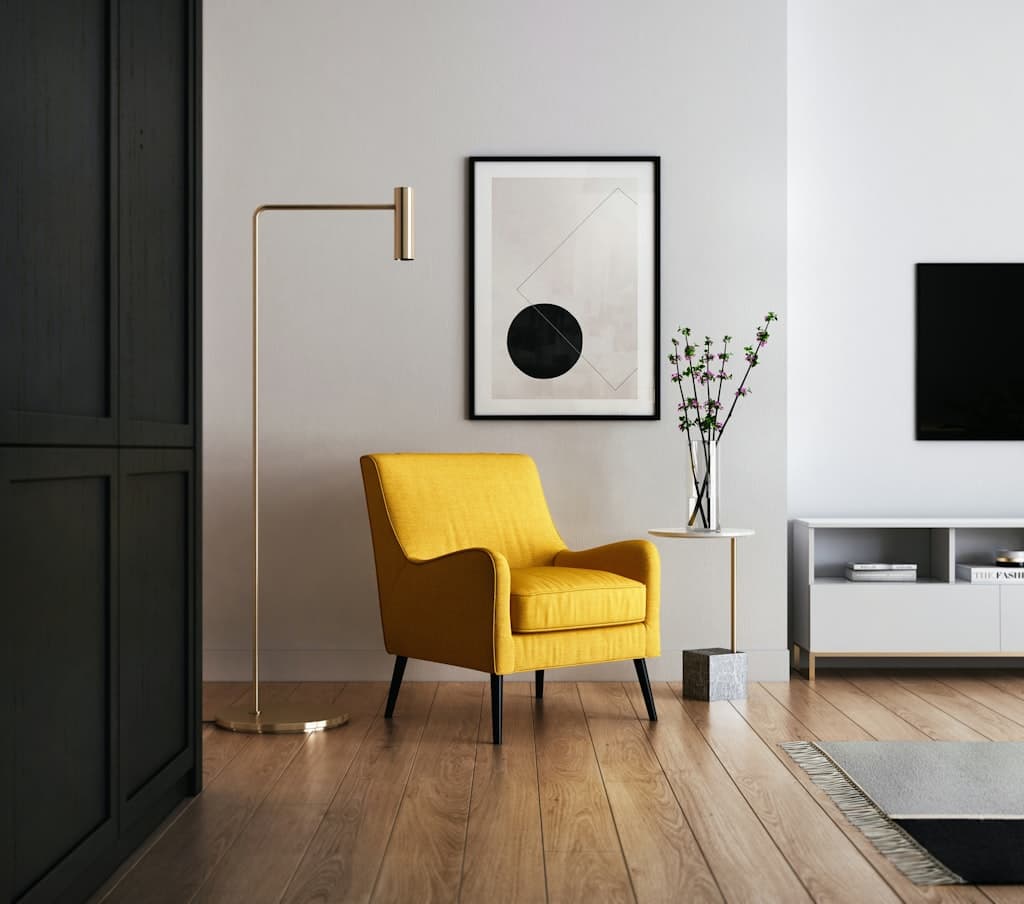 Before
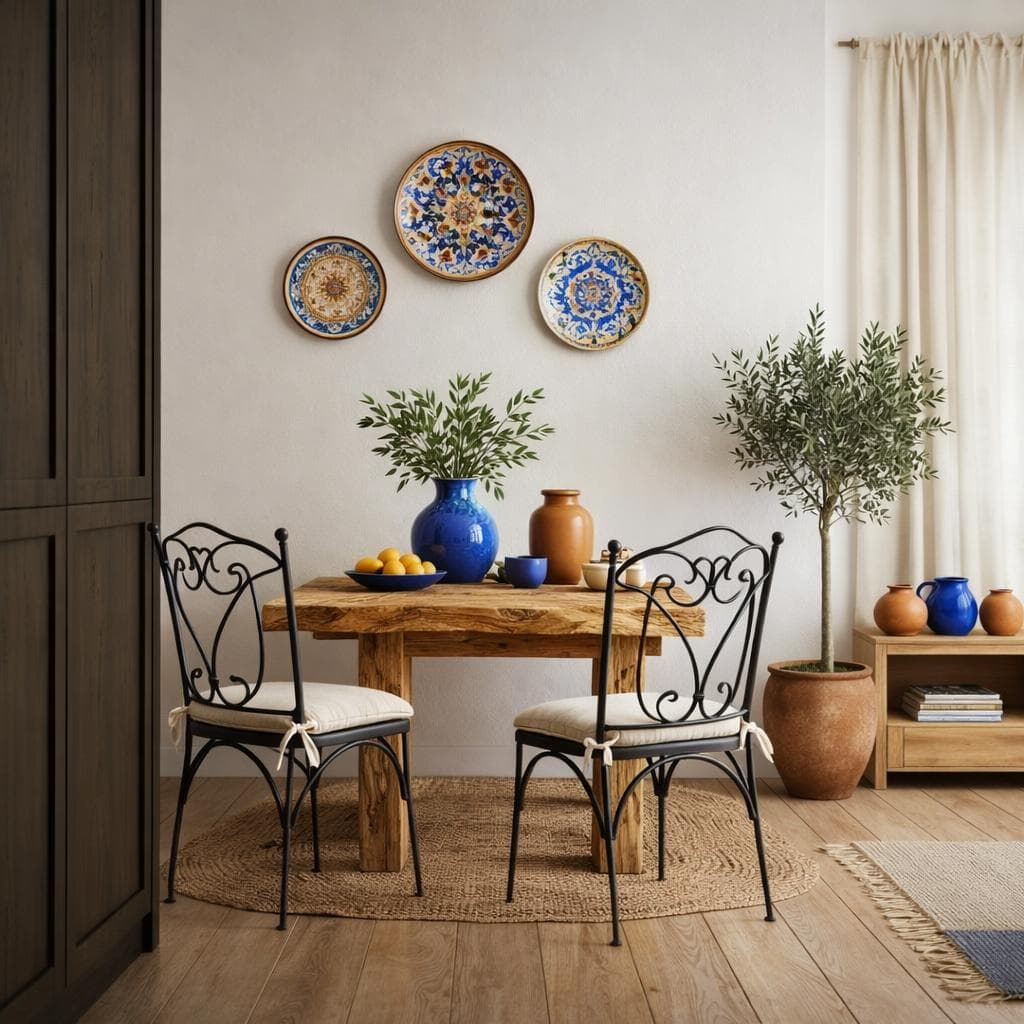 After
After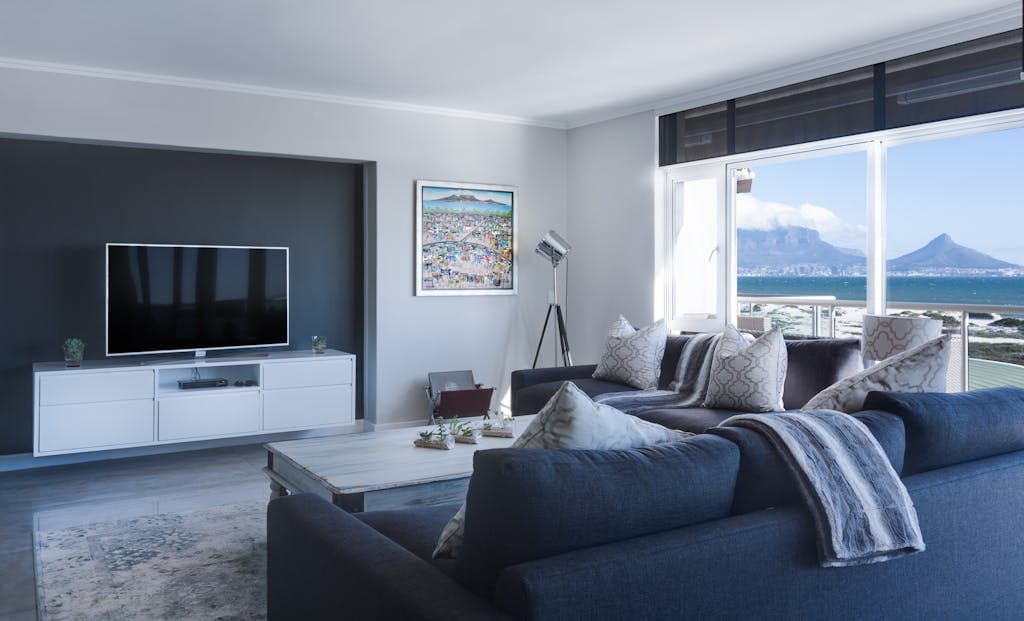 Before
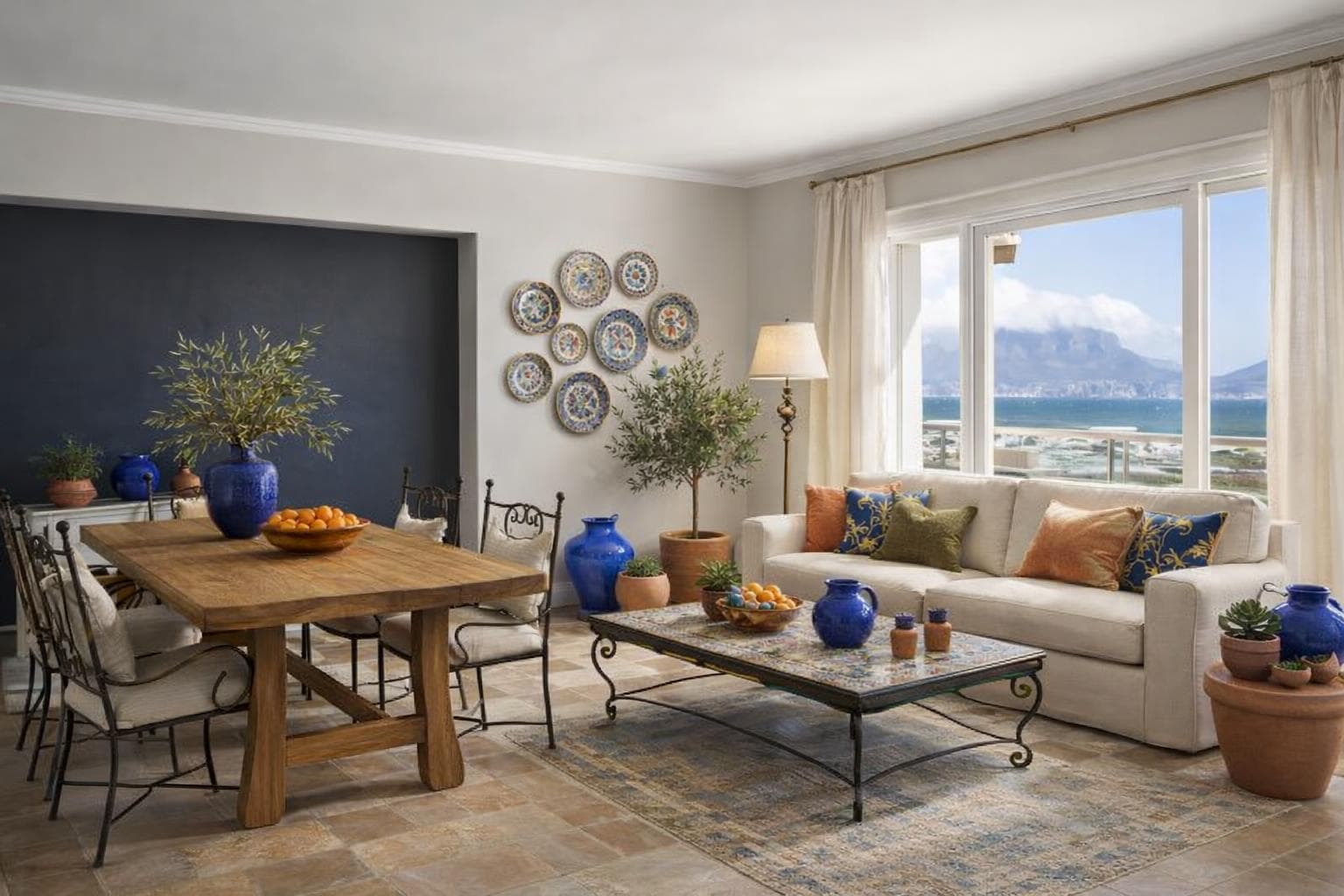 After
AfterSee Mediterranean in your room before you buy
Upload a photo and get a photorealistic redesign in under a minute
Key elements of Mediterranean
Terracotta tile
Clay floor tiles in warm, varied earth tones provide the quintessential Mediterranean foundation and stay cool underfoot.
Arched doorways
Rounded arch profiles on doors, windows, and niches create the romantic old-world silhouette central to the style.
Hand-painted ceramics
Geometric and floral patterned tiles on backsplashes, stair risers, and accent walls bring artisan craftsmanship to surfaces.
Textured plaster walls
Stucco and lime-washed plaster provide soft, undulating surfaces that diffuse light and add organic warmth.
Wrought-iron details
Balcony railings, light fixtures, curtain rods, and furniture legs in hand-forged iron supply structural decorative interest.
Olive wood accents
Serving boards, bowls, and small furniture pieces in olive wood bring the distinctive grain and warm tone of the Mediterranean landscape indoors.
Mediterranean works particularly well in:
Styles that pair well with Mediterranean

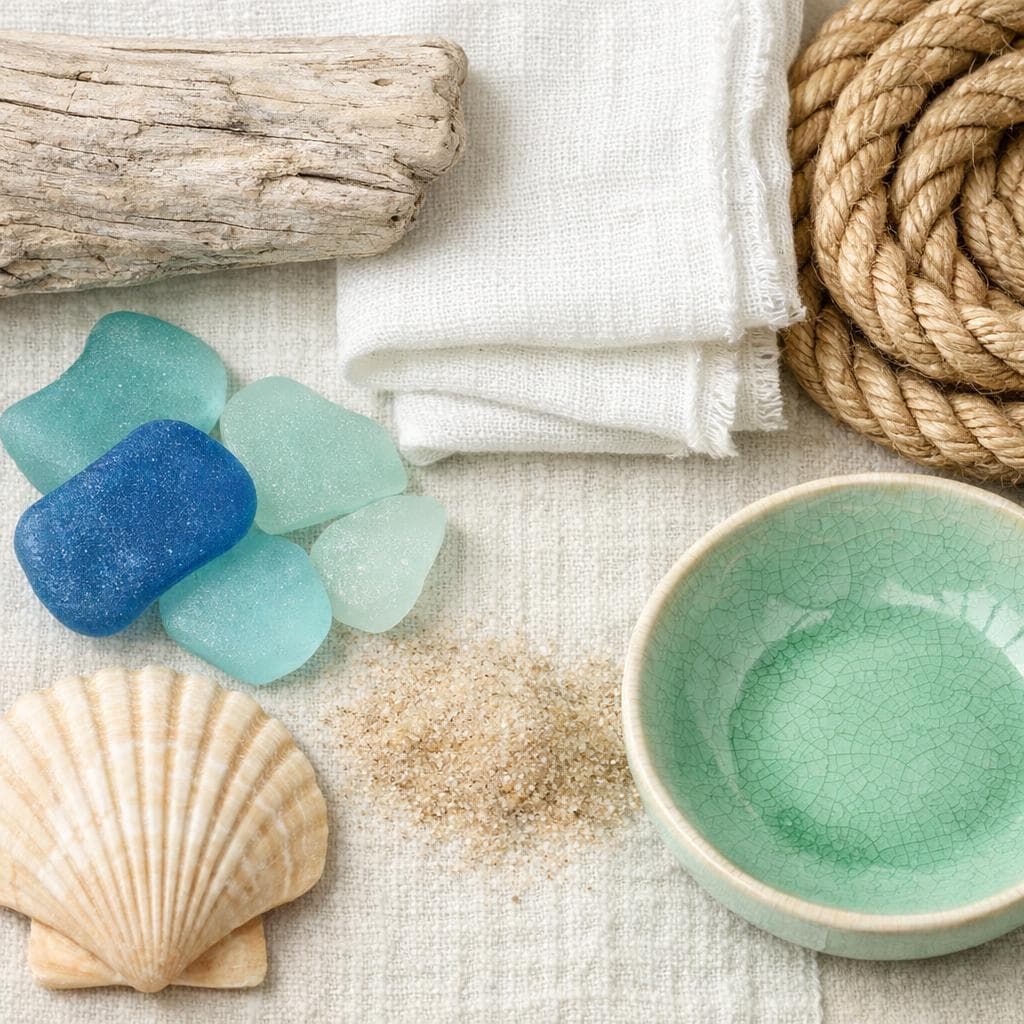
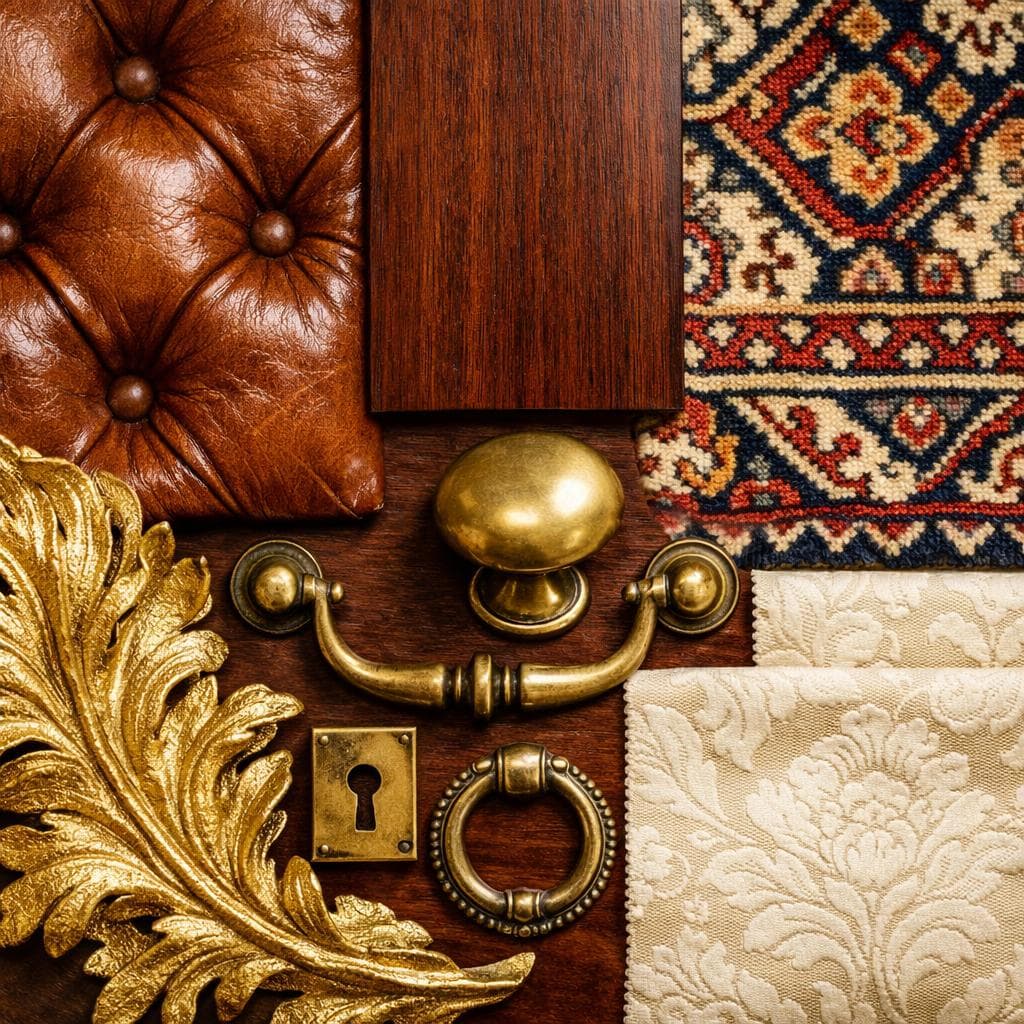
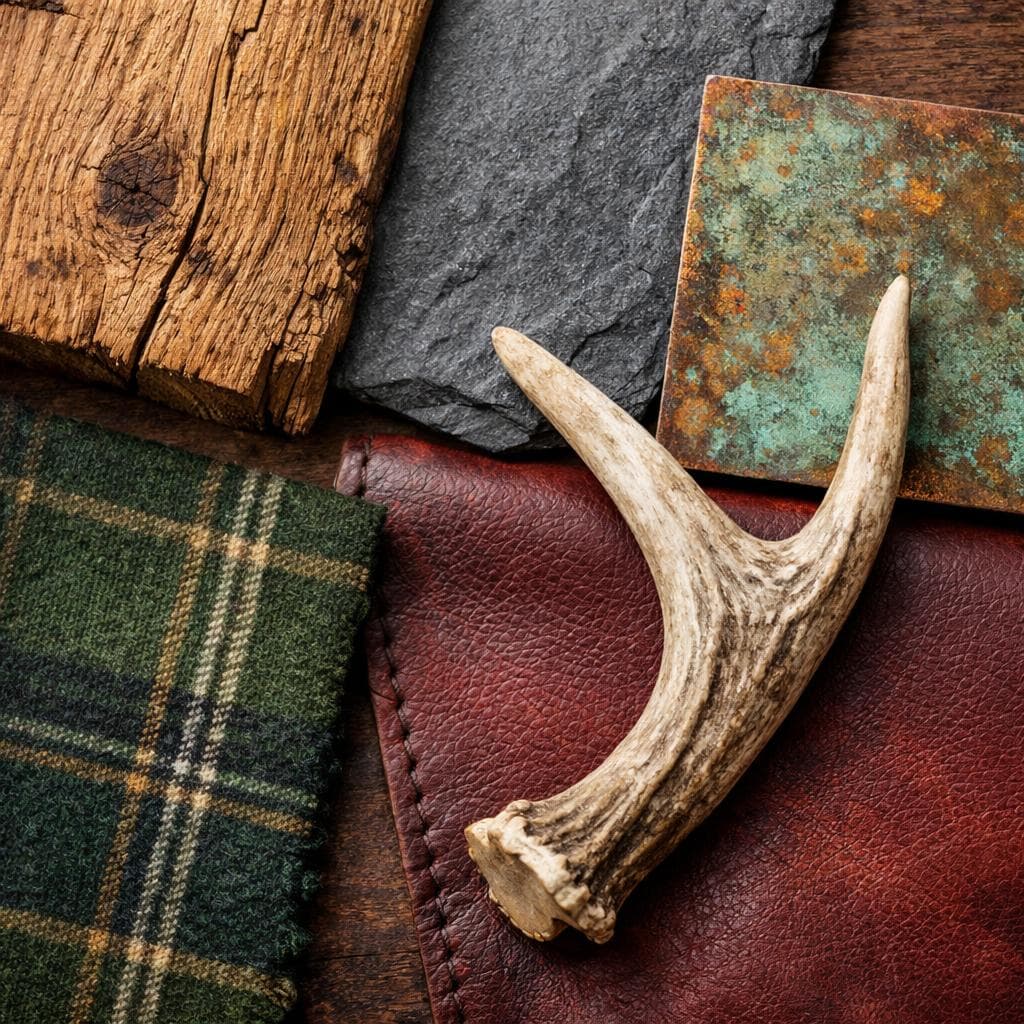
Mediterranean design draws its warmth and romance from the sun-baked coastlines of southern Europe and North Africa. The style synthesizes elements from Spanish, Italian, Greek, and Moroccan building traditions into an aesthetic defined by earthy materials, arched doorways, and a palette that mirrors the landscape: terracotta, olive, warm sand, and cobalt blue. It evokes the feeling of stepping into a centuries-old villa where thick walls keep interiors cool and every window frames a view of sea or hillside.
The palette is inherently warm. Terracotta in its many forms, from floor tiles to pottery to roof-tile-colored walls, serves as the foundational tone. It is complemented by sun-bleached whites, warm ochre, olive green, and accents of cobalt blue borrowed from Greek island ceramics and Moroccan tilework. Walls are typically finished in textured plaster or stucco that takes on a soft, undulating quality in natural light. The overall impression is of materials aged gracefully by sun and salt air.
Architectural details distinguish Mediterranean interiors from other warm-climate styles. Arched doorways, recessed wall niches, exposed ceiling beams in dark timber, and wrought-iron balcony railings create a sense of old-world craftsmanship. Hand-painted ceramic tiles in geometric patterns accent kitchen backsplashes, stair risers, and bathroom walls. Furniture is sturdy and often features turned legs, curved iron bases, or carved wood details. Olive wood, travertine, and hand-glazed pottery are signature materials throughout.
Creating Mediterranean ambiance starts with the floor: terracotta tile, travertine, or a warm-toned porcelain substitute. Plaster or textured paint on walls adds tactile depth. Install an arched mirror or doorway molding to suggest the architecture. Bring in olive wood cutting boards, ceramic serving bowls, and wrought-iron candleholders. Dress windows with linen panels that can billow in a breeze. Add potted herbs like rosemary and lavender, and finish with a large ceramic planter holding an olive tree or citrus plant.
Frequently asked questions
Can I achieve Mediterranean style in a cold climate?
Absolutely. The warm terracotta palette and textured plaster walls create a sun-drenched feeling regardless of the weather outside. Use radiant floor heating under tile for comfort. Layer warm textiles and add candlelight for winter coziness. The style's earth tones and heavy materials are inherently warming and work beautifully as a contrast to gray skies.
Are terracotta tiles hard to maintain?
Sealed terracotta is quite practical. Apply a penetrating sealer after installation and reapply every few years. Sweep regularly and damp mop with a pH-neutral cleaner. The tiles develop a beautiful patina over time that adds to their character. For lower maintenance, porcelain tiles that mimic terracotta offer the same look with easier upkeep.
How do I add Mediterranean touches without a renovation?
Start with accessories: hand-painted ceramic bowls, olive wood serving pieces, wrought-iron candle holders, and terracotta planters. Hang a large arched mirror to suggest architectural detail. Use linen curtains and a warm-toned area rug. Swap hardware for iron pulls. These elements layer the Mediterranean feeling without changing any permanent surfaces.
What plants complement Mediterranean design?
Olive trees, rosemary, lavender, citrus trees in pots, and bougainvillea are all iconic choices. Trailing jasmine and potted geraniums add color. Inside, look for potted fig trees, herbs on the kitchen windowsill, and small succulents in terracotta pots. The connection to edible, fragrant, and drought-tolerant plants is central to the lifestyle.
See Mediterranean before you commit
Upload a photo and get a photorealistic AI redesign in under a minute. Start with 2 free renders.