Bohemian room design ideas
Eclectic patterns, rich jewel tones, and layered textiles
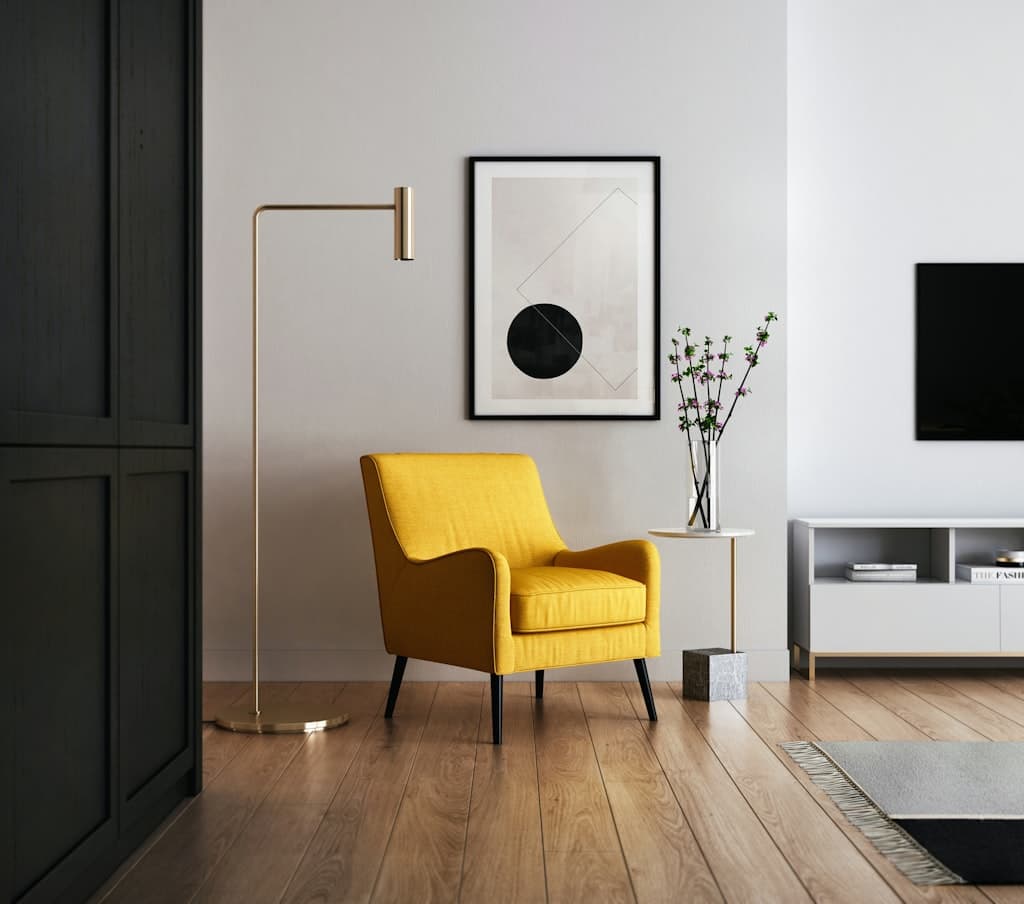 Before
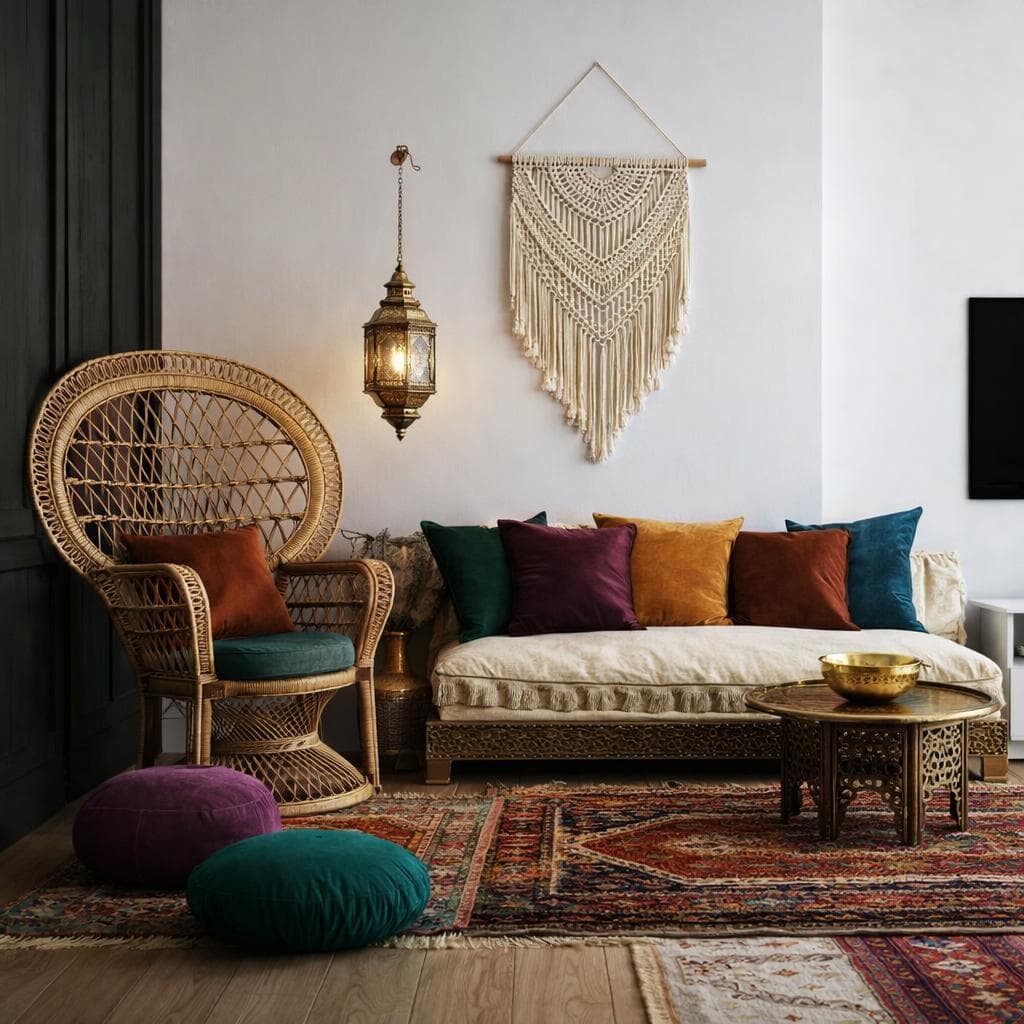 After
After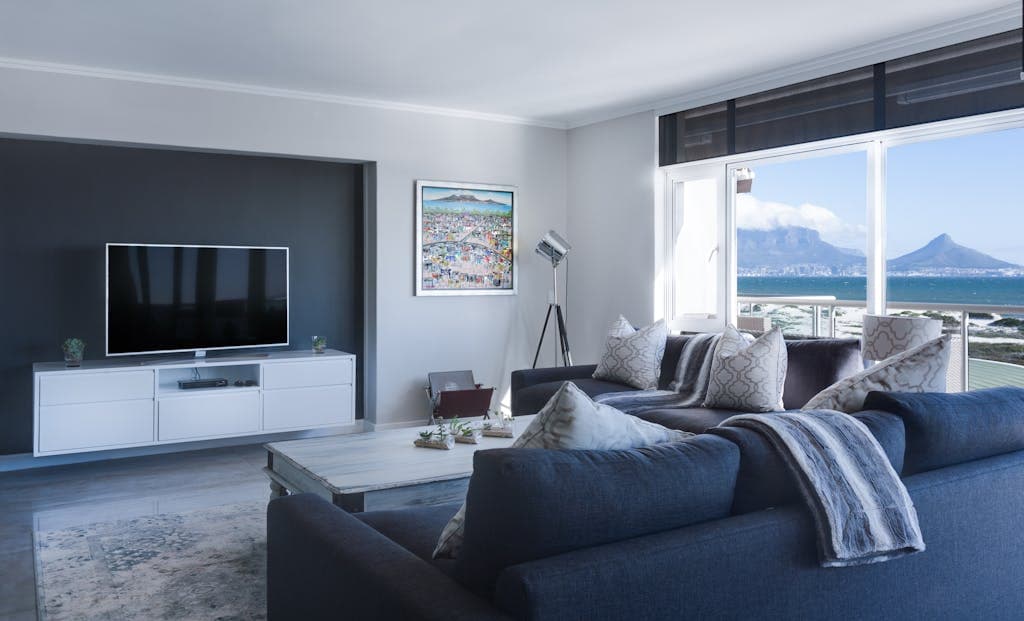 Before
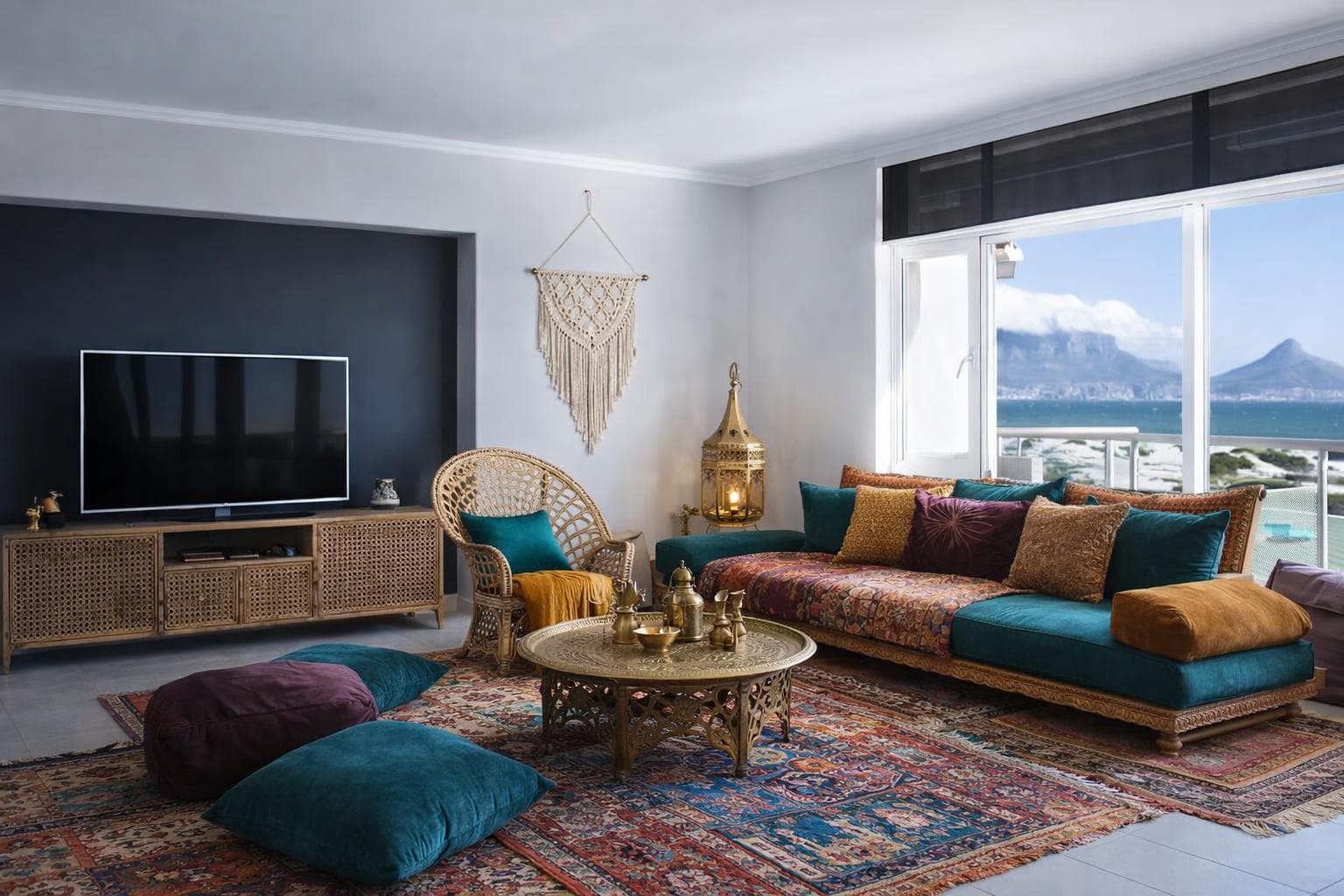 After
AfterSee Bohemian in your room before you buy
Upload a photo and get a photorealistic redesign in under a minute
Key elements of Bohemian
Layered textiles
Multiple rugs, throws, and cushions in different patterns and textures create the rich, inviting depth that defines bohemian spaces.
Global patterns
Moroccan, Indian, Turkish, and African textile traditions mix freely, unified by a shared warmth of color tone.
Macrame and woven art
Handcrafted wall hangings, plant holders, and curtains in knotted cord bring artisan texture and vertical interest.
Rattan and natural fibers
Peacock chairs, woven baskets, jute rugs, and bamboo shelving ground the eclectic palette in organic warmth.
Abundant greenery
Trailing vines, potted palms, hanging planters, and dried pampas grass infuse life and color at every level.
Jewel-tone palette
Deep magenta, emerald, sapphire, and amber create a rich color foundation accented by earthy neutrals.
Bohemian works particularly well in:
Styles that pair well with Bohemian
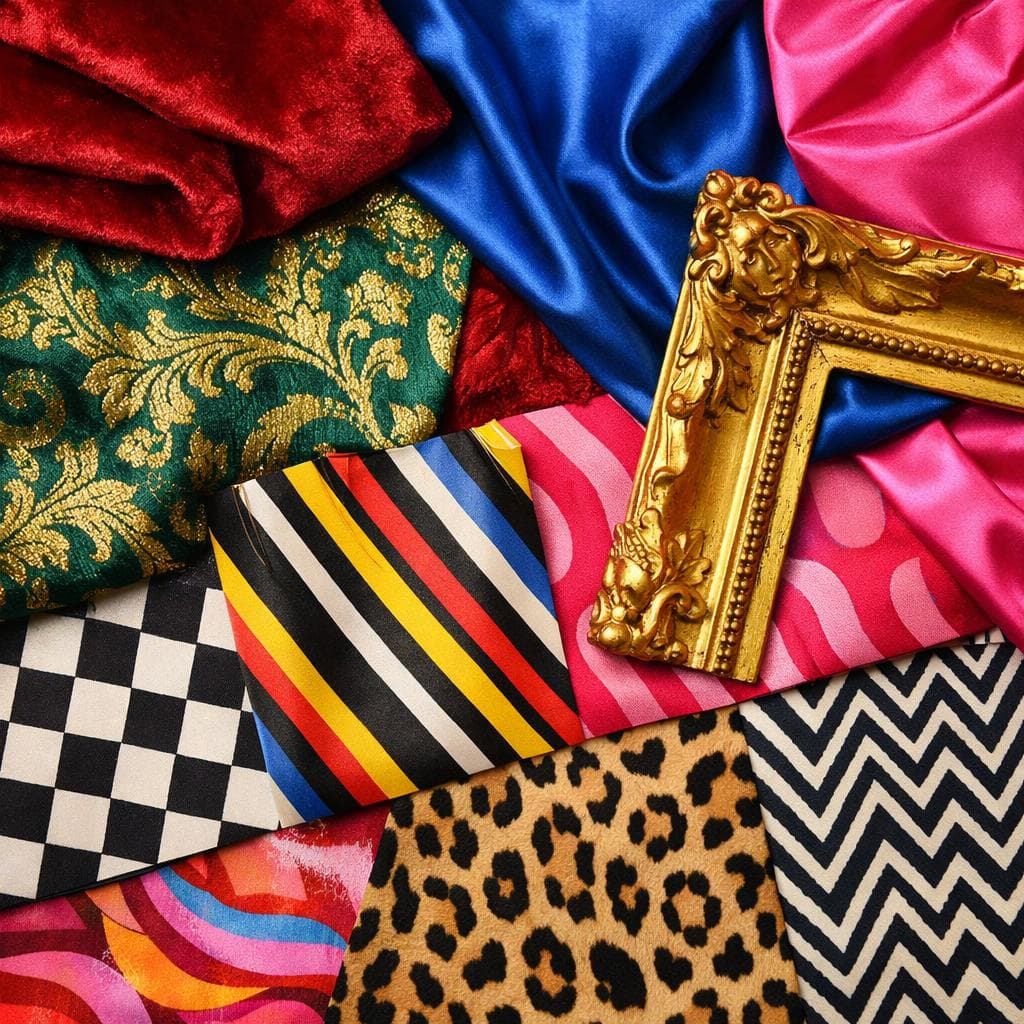
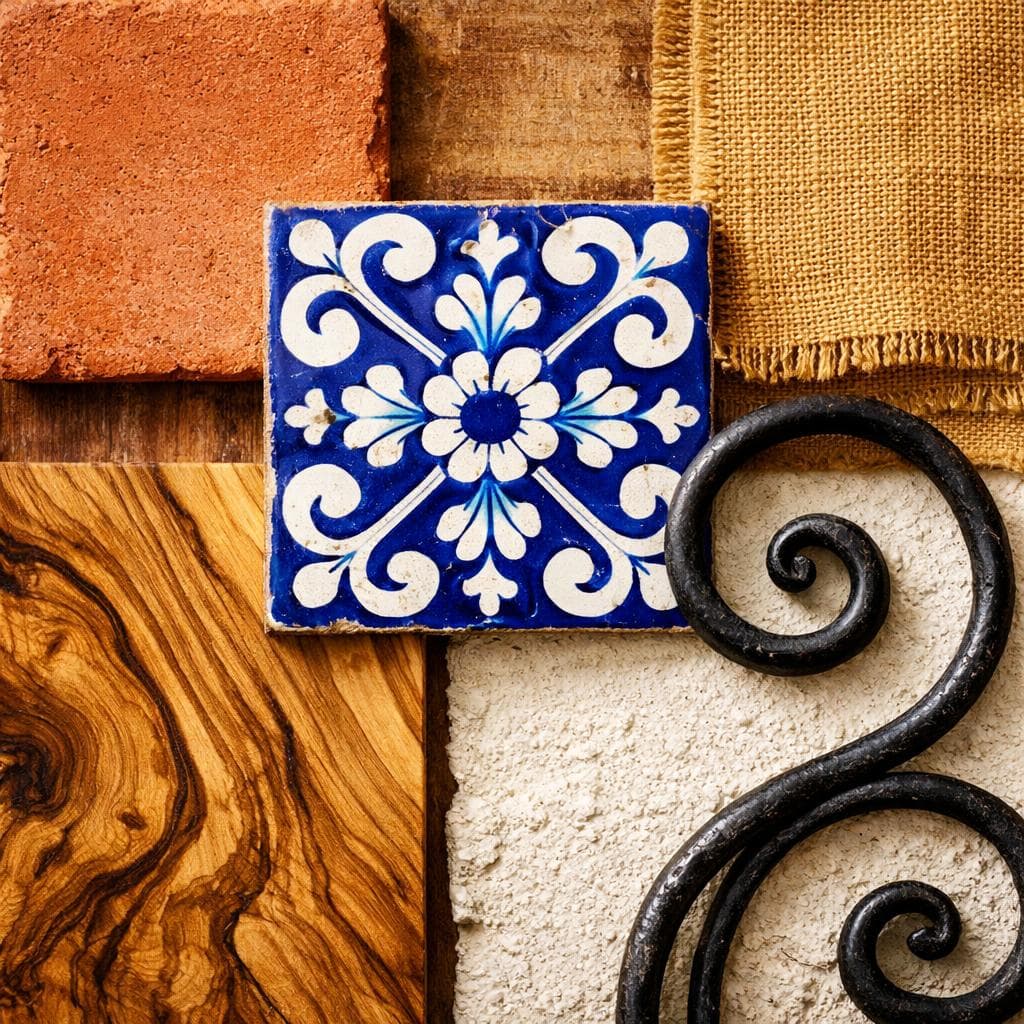
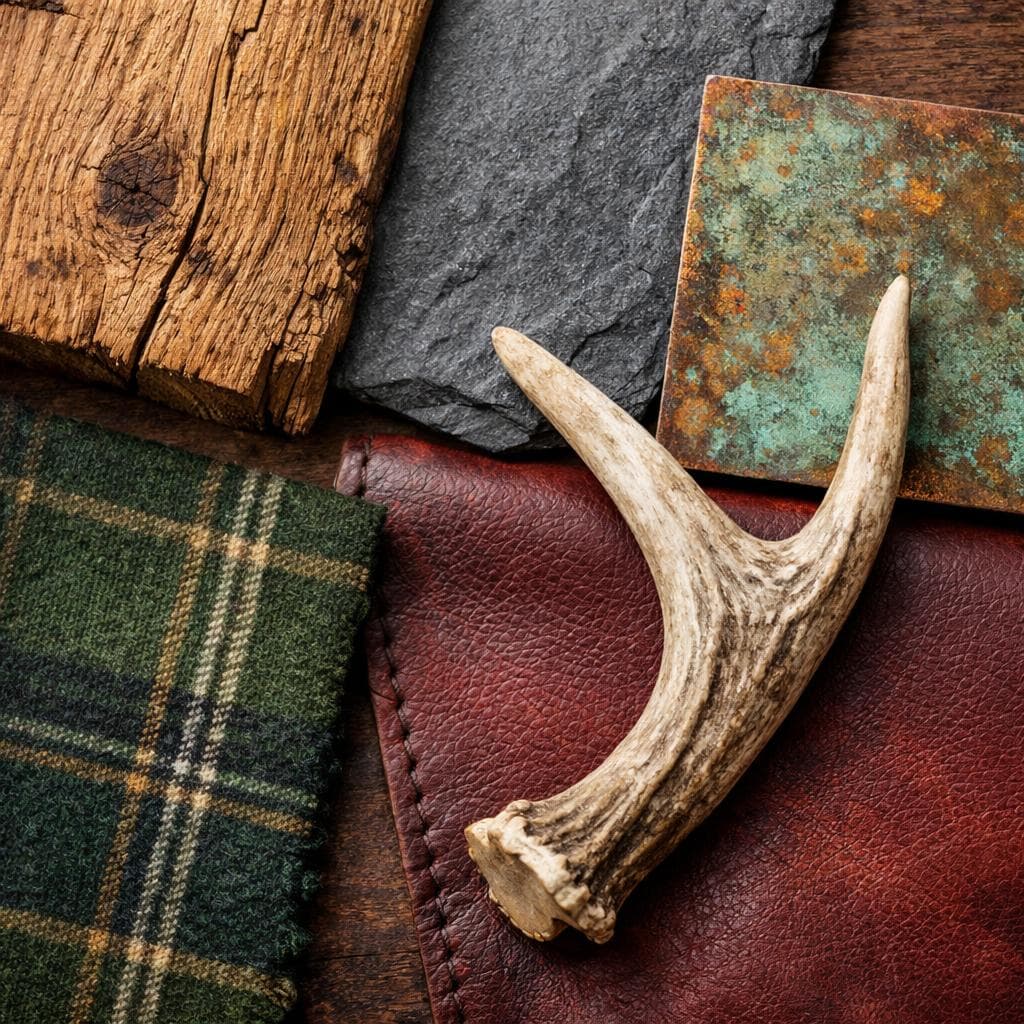
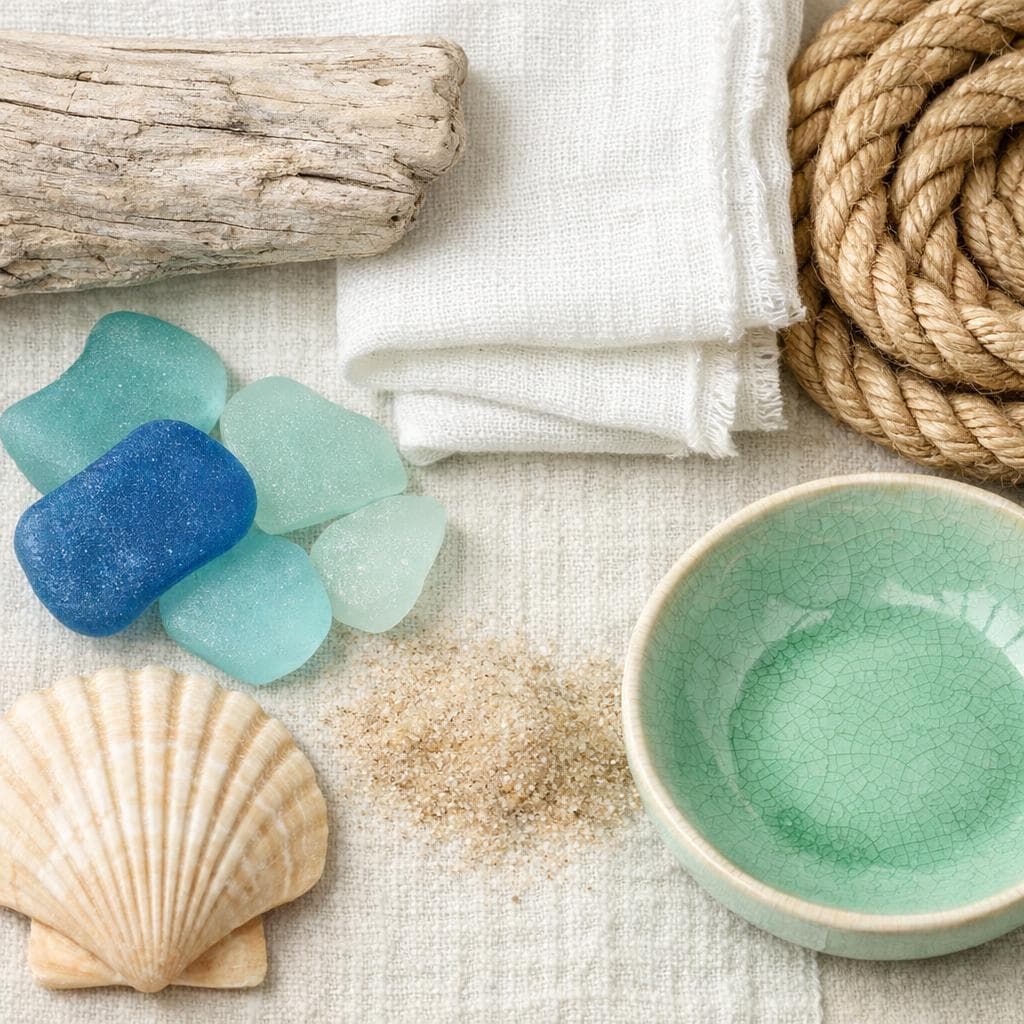
Bohemian design, often shortened to boho, draws its spirit from the unconventional lifestyles of nineteenth-century artists, writers, and travelers who rejected bourgeois norms in favor of creative freedom. The style borrows freely from global cultures: Moroccan tilework, Indian block prints, Turkish kilim rugs, and West African mudcloth all find a home in boho interiors. Rather than following rigid rules, the bohemian approach embraces personal expression, layering, and the collected-over-time character of a well-traveled life.
Color is where bohemian design truly sings. Rich jewel tones, think deep magenta, emerald green, sapphire blue, and burnt amber, form the saturated backdrop, while earthy neutrals like terracotta, cream, and ochre prevent the palette from becoming overwhelming. Patterns mix fearlessly: ikats beside florals, stripes next to paisleys. The trick to pulling it off is maintaining a shared warmth across all the patterns so they feel like a family rather than a clash.
Textiles are the primary building material of boho interiors. Floor-length macrame curtains, layered area rugs, embroidered throw pillows, and fringed blankets create a tactile richness that invites you to sink in. Furniture tends toward low-slung and relaxed: floor cushions for seating, rattan peacock chairs, vintage daybeds piled with pillows. Natural materials like jute, rattan, bamboo, and raw wood reinforce the organic, handcrafted quality of the style.
Building a bohemian room is an ongoing project rather than a single shopping trip. Start with a neutral base of white or cream walls and natural wood floors, then layer in color and pattern through textiles you genuinely love. Visit flea markets, vintage shops, and artisan marketplaces for one-of-a-kind finds. Add greenery generously, from trailing pothos to potted palms, and hang plants at varying heights. The key principle is that every piece should tell a story or bring you joy.
Frequently asked questions
How do I keep a bohemian room from looking messy?
Structure your layers intentionally. Start with a neutral base and add textiles in a cohesive color family. Use baskets and woven bins for hidden storage. Edit regularly: if a piece no longer brings joy or clashes with the room's warmth, swap it out. Thoughtful curation separates boho from cluttered.
Can I do bohemian on a tight budget?
Boho is one of the most budget-friendly styles because it thrives on secondhand finds, DIY macrame, and thrifted textiles. Estate sales and online marketplaces are goldmines for vintage rugs and rattan furniture. Plants can be propagated from cuttings. The collected-over-time nature of the style means you build it gradually rather than buying everything at once.
What furniture materials work best for bohemian interiors?
Natural, handcrafted materials are ideal: rattan, cane, bamboo, reclaimed wood, and wrought iron. Look for furniture with visible texture and imperfections that add character. Low-profile pieces like floor cushions and daybeds feel more bohemian than tall, formal furniture. Vintage and artisan-made items always outshine mass-produced alternatives.
How do I mix patterns without it looking chaotic?
Choose patterns that share at least one or two colors. Vary the scale: pair a large floral with a small geometric and a medium stripe. Anchor the mix with solid-colored pieces in a tone pulled from your patterns. Limiting yourself to warm tones or cool tones across all patterns helps everything cohere.
See Bohemian before you commit
Upload a photo and get a photorealistic AI redesign in under a minute. Start with 2 free renders.