Rustic room design ideas
Raw natural stone, hewn timber beams, and cozy warmth
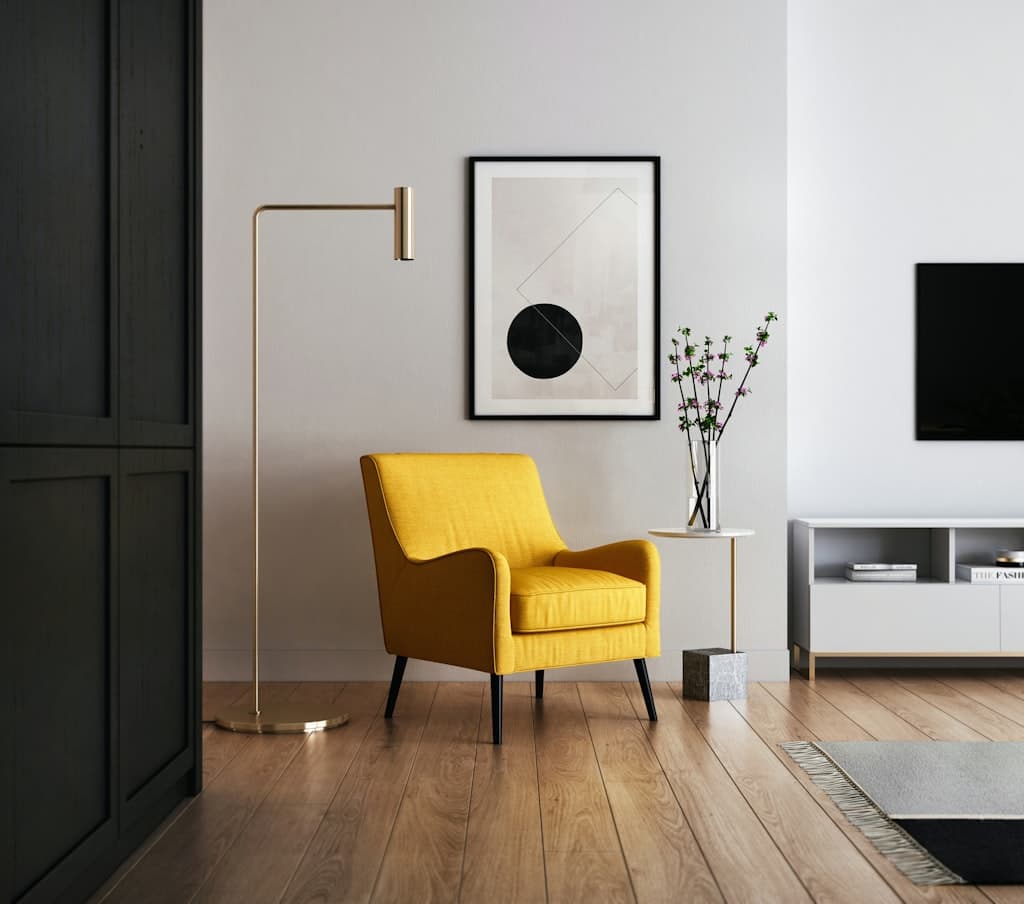 Before
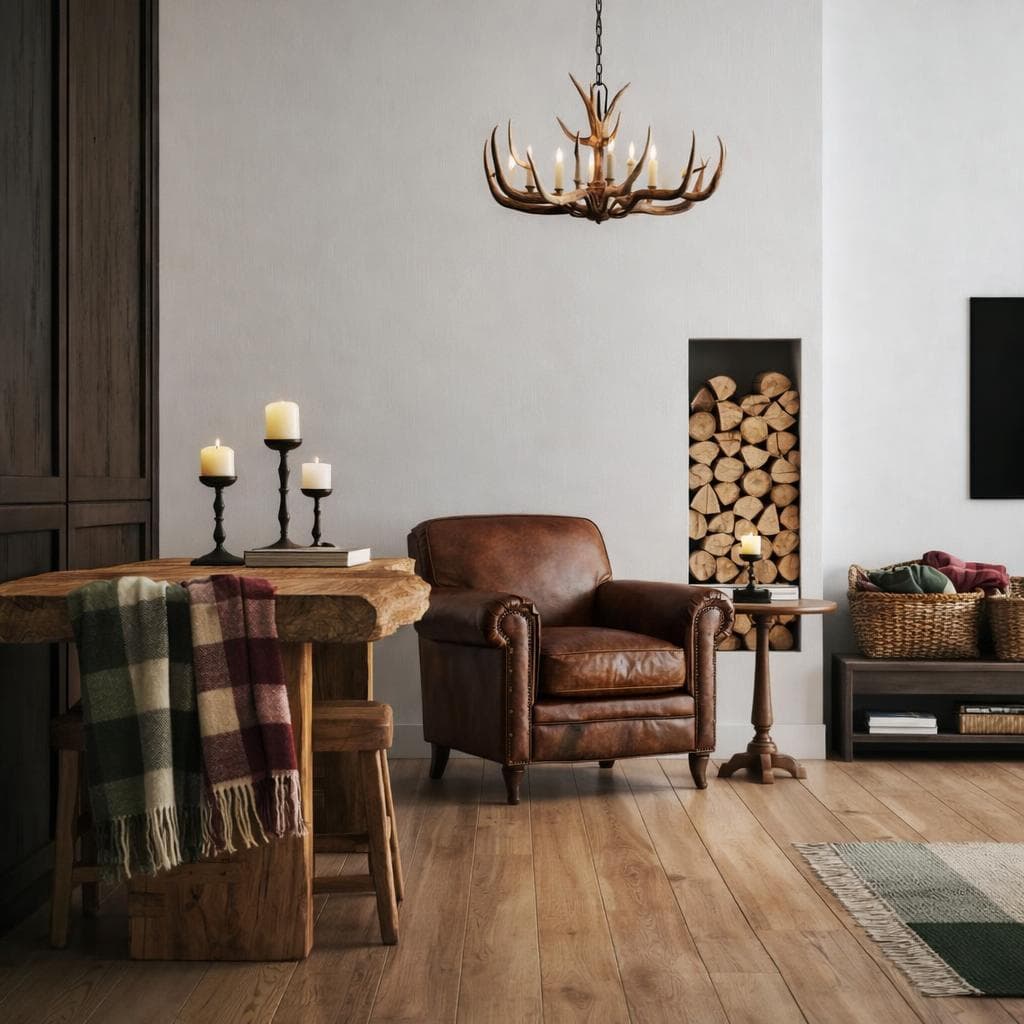 After
After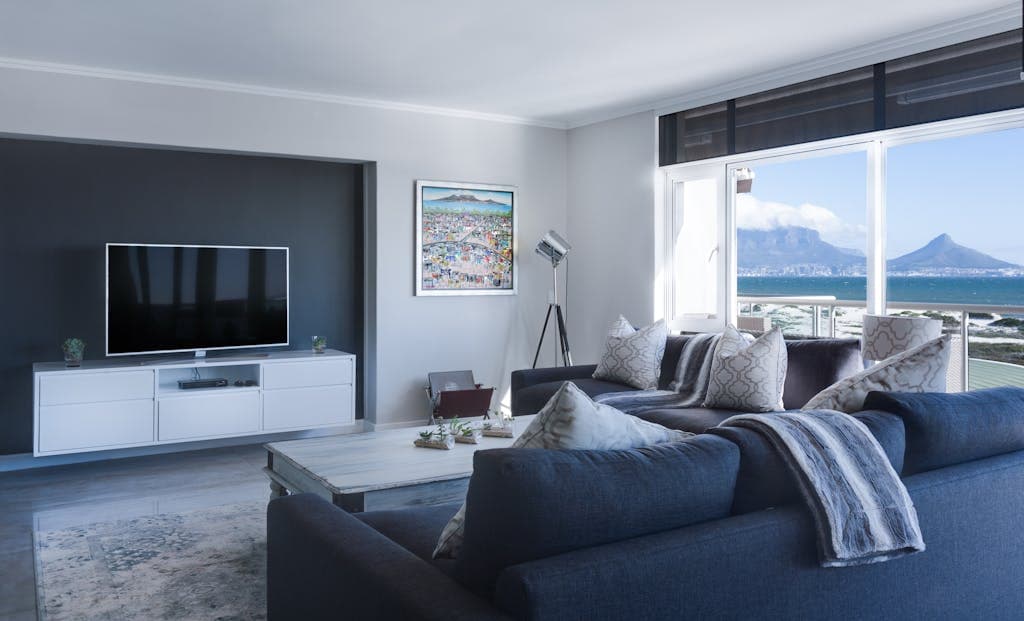 Before
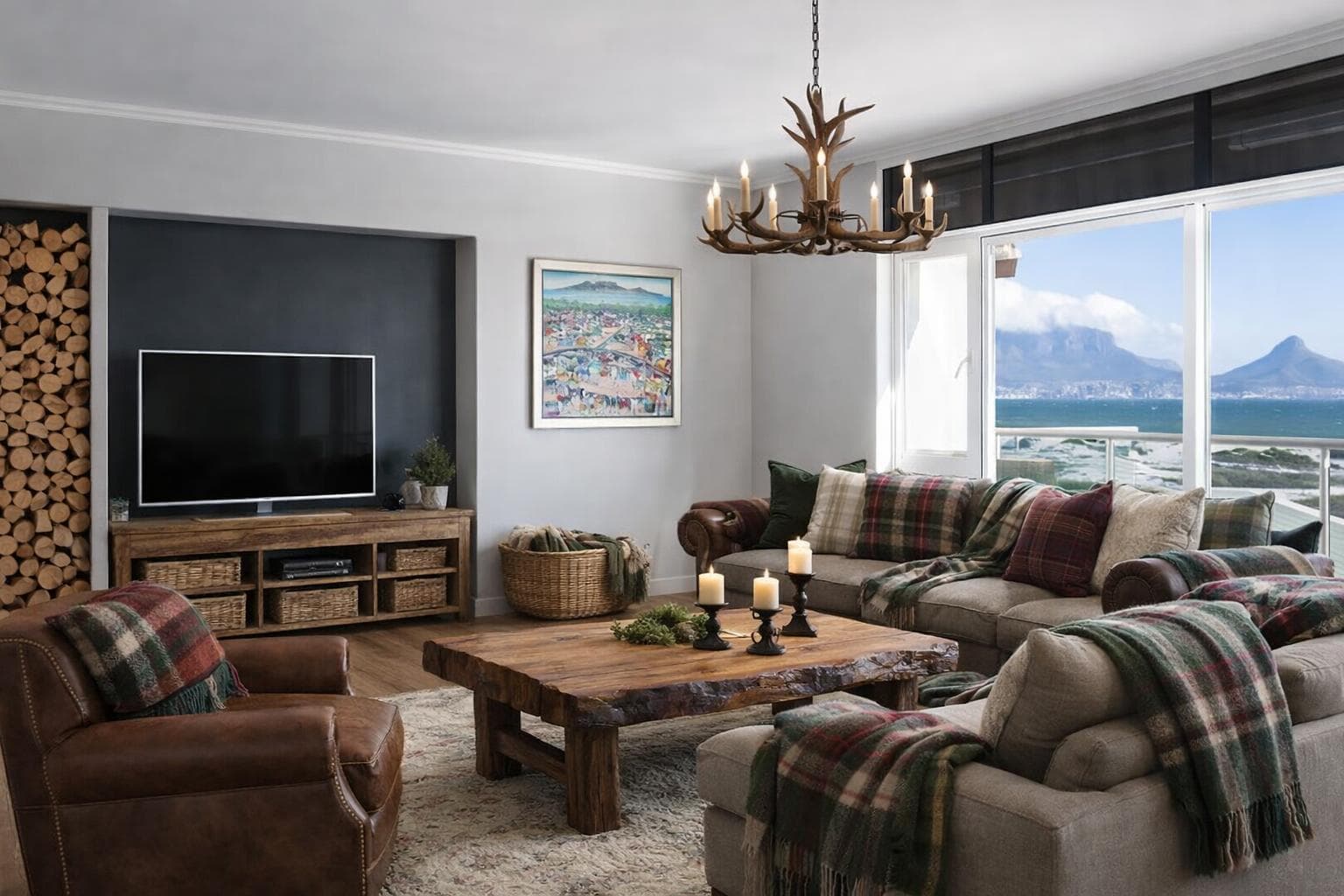 After
AfterSee Rustic in your room before you buy
Upload a photo and get a photorealistic redesign in under a minute
Key elements of Rustic
Exposed timber beams
Rough-hewn or hand-adzed ceiling beams provide structural drama and establish the rustic character overhead.
Stone accent walls
Stacked fieldstone, river rock, or dry-laid ledgestone creates a monumental focal surface, typically around the fireplace.
Live-edge wood
Dining tables, mantels, and shelves with natural bark edges celebrate the organic form of the tree itself.
Wrought-iron hardware
Hand-forged hinges, drawer pulls, curtain rods, and light fixtures bring the blacksmith tradition into everyday use.
Heavy wool textiles
Plaid blankets, woven throws, and sheepskin pelts layered across furniture provide warmth against raw stone and wood.
Antler and hide accents
Naturally shed antler chandeliers and cowhide rugs bring the lodge tradition into the decorative layer without artifice.
Rustic works particularly well in:
Styles that pair well with Rustic
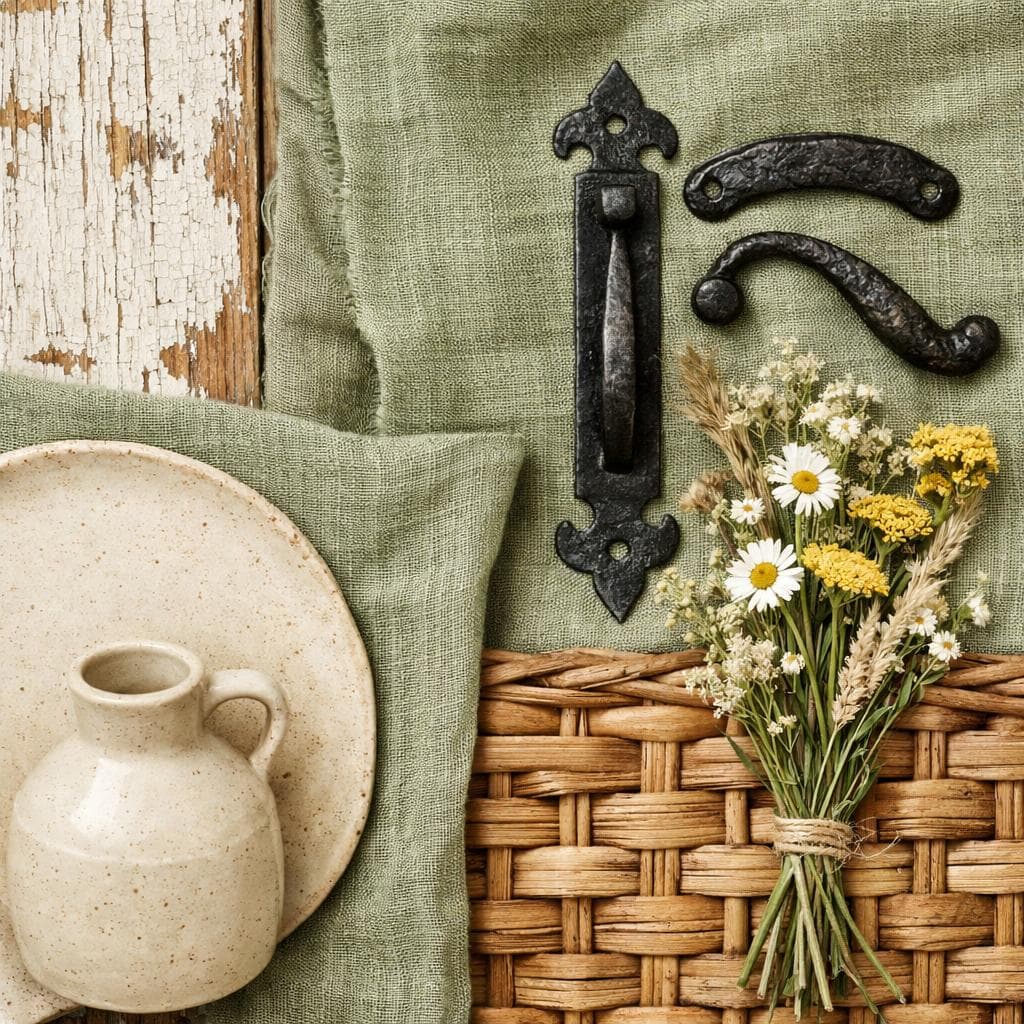
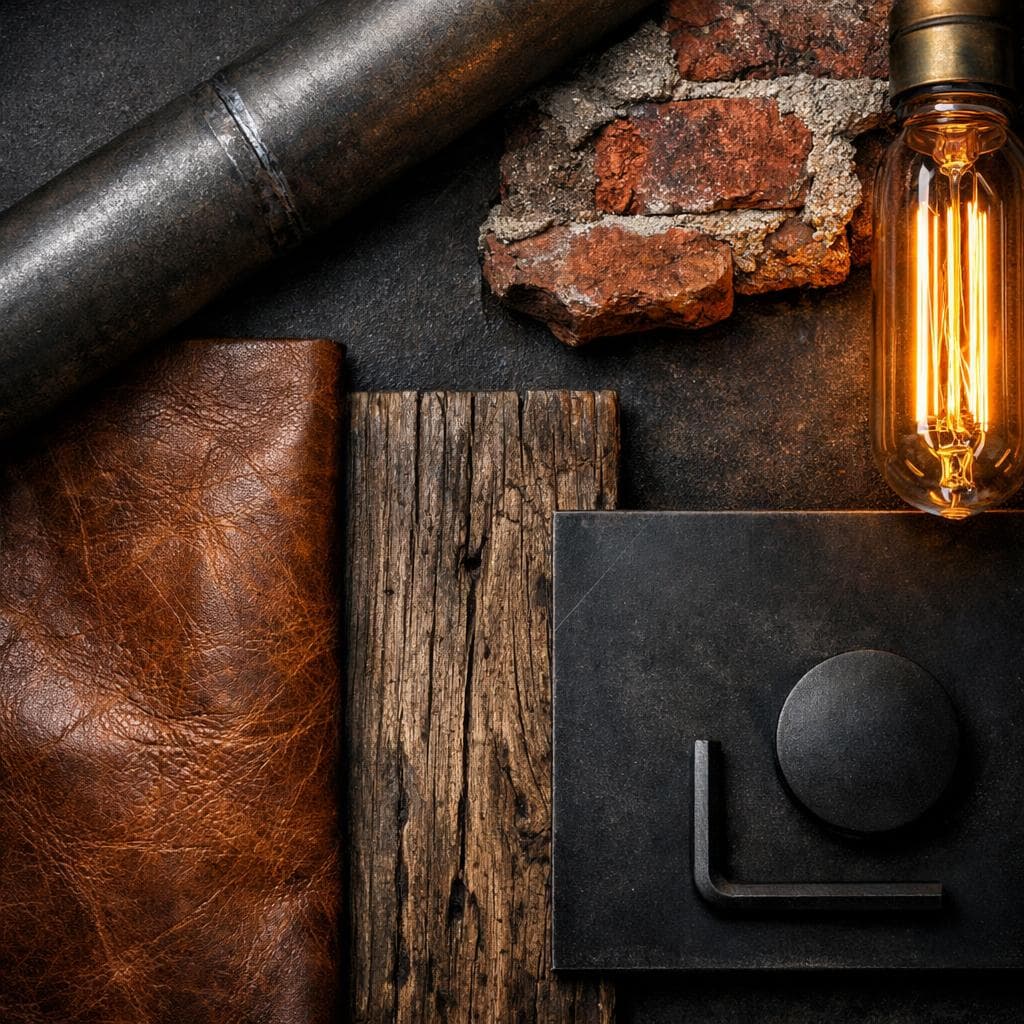
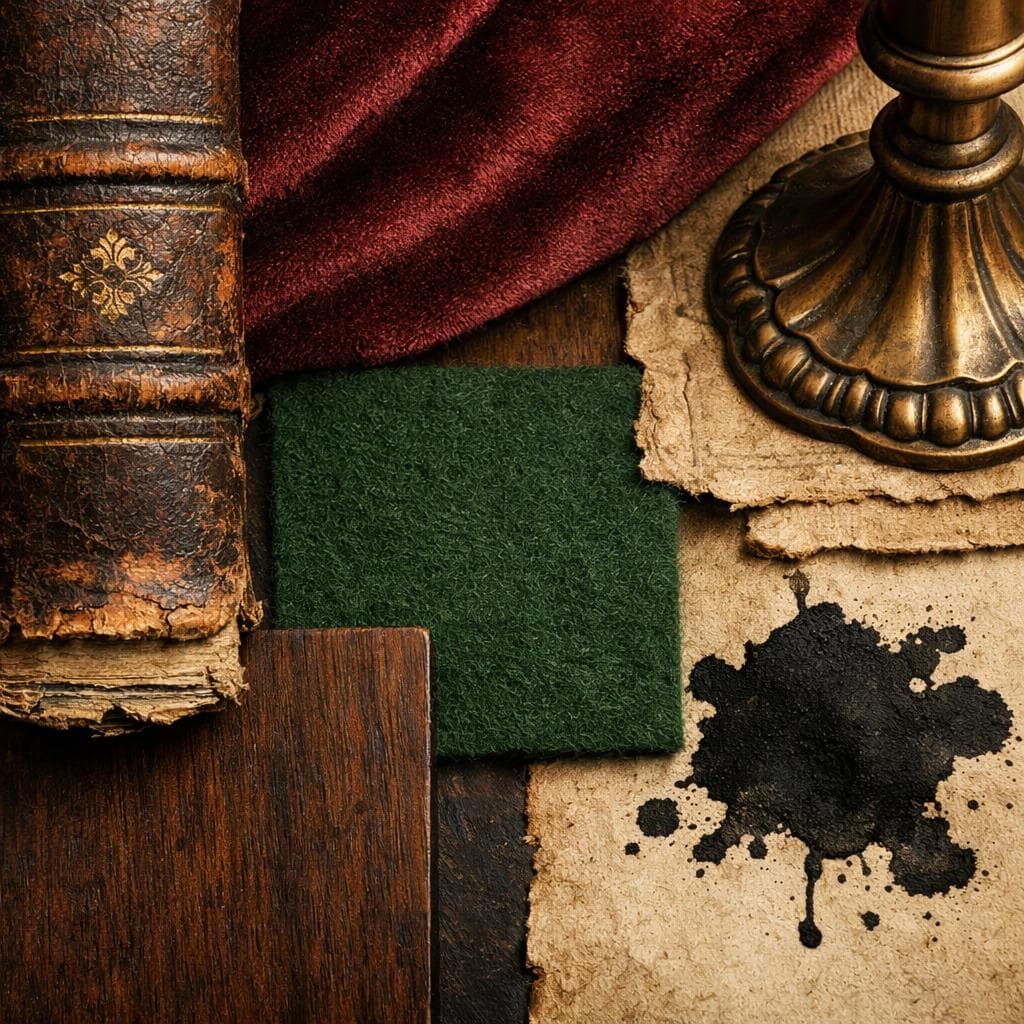

Rustic design celebrates the raw, unrefined beauty of natural materials in their most elemental form. Rooted in the cabin and lodge traditions of mountainous and rural regions, the style finds poetry in rough-hewn timber beams, hand-split stone walls, and furniture that looks like it was built by the person who felled the tree. Unlike farmhouse's polished approachability, rustic design leans into ruggedness, warmth, and the comforting sense that you have stepped far away from the modern world.
The rustic palette takes its cues directly from the landscape. Deep bark browns, stone grays, forest greens, and warm amber form the core. Walls might be clad in reclaimed barn wood, stacked stone, or simply left as exposed log. Floors are wide-plank hardwood with a hand-scraped or wire-brushed finish that shows every knot and grain variation. The overall atmosphere tends warm and dark compared to lighter styles, creating spaces that feel cocooning and protected, especially in colder months.
Furniture in rustic interiors tends toward substantial, handcrafted pieces with visible joinery and natural imperfections. Live-edge slab dining tables, timber-frame beds, and leather club chairs with nailhead trim are hallmarks. Antler chandeliers, wrought-iron candleholders, and lantern-style sconces provide lighting with frontier character. Textiles lean toward heavyweight wool plaids, faux fur throws, and cowhide rugs. The fireplace, often clad in stacked fieldstone from foundation to ceiling, serves as the undisputed focal point.
Bringing rustic style into a contemporary home works best through selective, high-impact elements. A reclaimed wood accent wall, a live-edge coffee table, or a stone-clad fireplace surround can anchor a room without requiring a complete log-cabin transformation. Layer in warm textiles like wool plaid blankets and sheepskin throws. Choose wrought-iron hardware and fixtures in matte black. Keep the heaviest materials, like rough stone, to accent areas and balance with lighter elements to prevent the space from feeling cave-like.
Frequently asked questions
How do I get the rustic look without a log cabin?
Focus on one or two high-impact elements. A reclaimed wood accent wall, a stone fireplace surround, or a live-edge dining table can establish rustic character in any home. Layer in textiles like plaid throws and sheepskin, and choose wrought-iron fixtures. You do not need full log walls to capture the warmth and character of rustic design.
Can rustic design feel modern?
Yes, the key is restraint and contrast. Pair rustic materials like raw wood and stone with clean-lined contemporary furniture. Use lighter stains on wood to brighten the palette. Choose simple wrought-iron fixtures over ornate ones. The resulting blend, sometimes called modern rustic or mountain modern, is sophisticated and current.
What lighting works best in rustic rooms?
Wrought-iron chandeliers, lantern pendants, and candle-style sconces are classic choices. For a modern rustic approach, oversized drum pendants in linen or metal work well. Recessed lighting on dimmers provides ambient warmth without competing with the architectural materials. Avoid anything overly polished or chrome-finished.
Is rustic design practical for warm climates?
It can be adapted. Use lighter wood tones and skip the heavy wool in favor of linen and cotton textiles. Stone surfaces stay cool naturally, which is a benefit in warm weather. Replace the roaring fireplace with an outdoor fire pit. The natural materials at the heart of rustic design are climate-neutral; it is the accessory layer that needs adjusting.
See Rustic before you commit
Upload a photo and get a photorealistic AI redesign in under a minute. Start with 2 free renders.