Industrial room design ideas
Exposed brick, metal accents, and raw urban textures
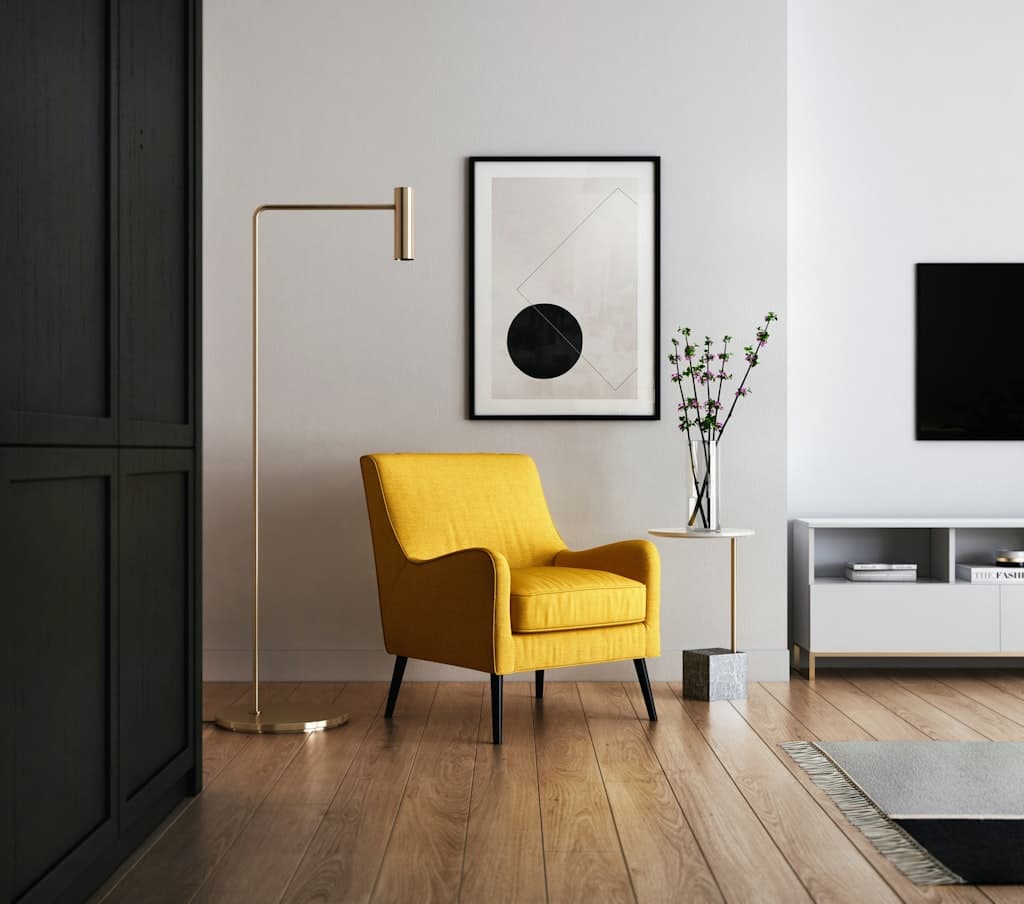 Before
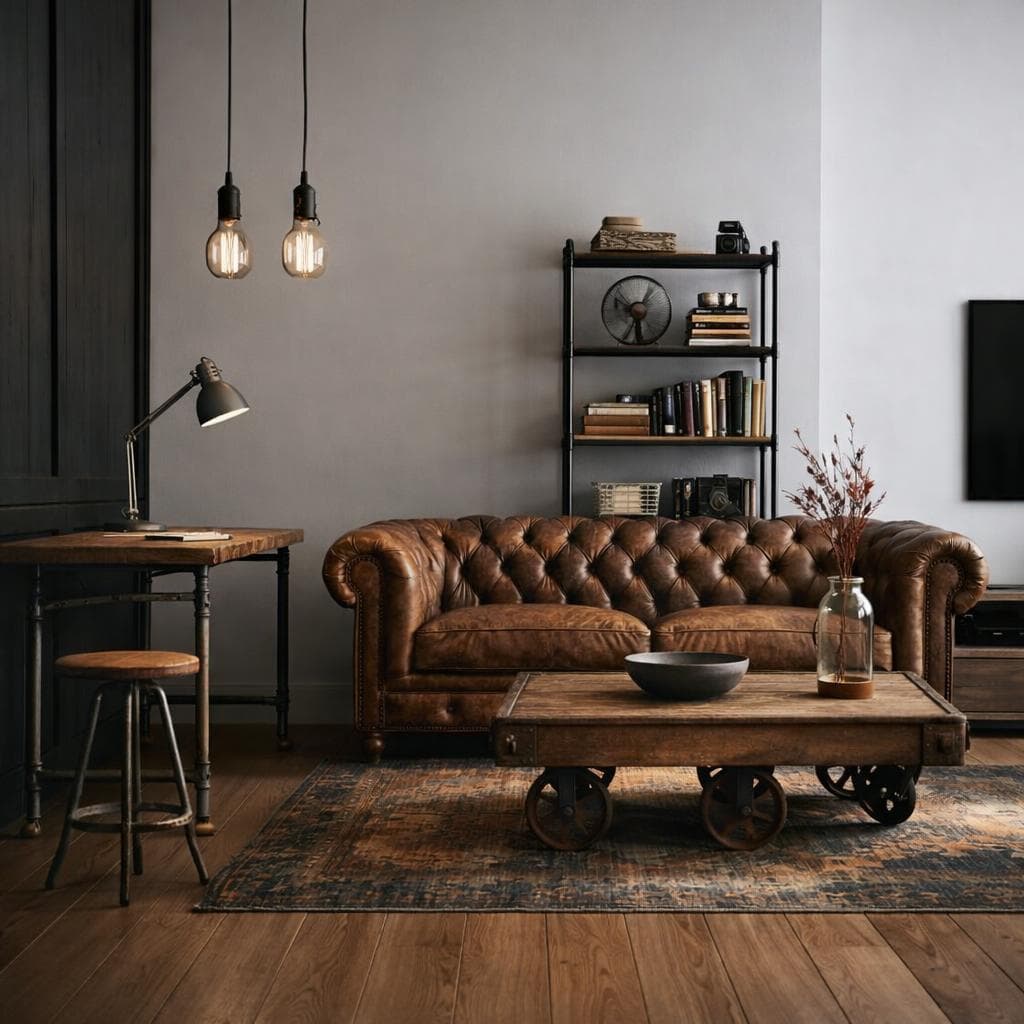 After
After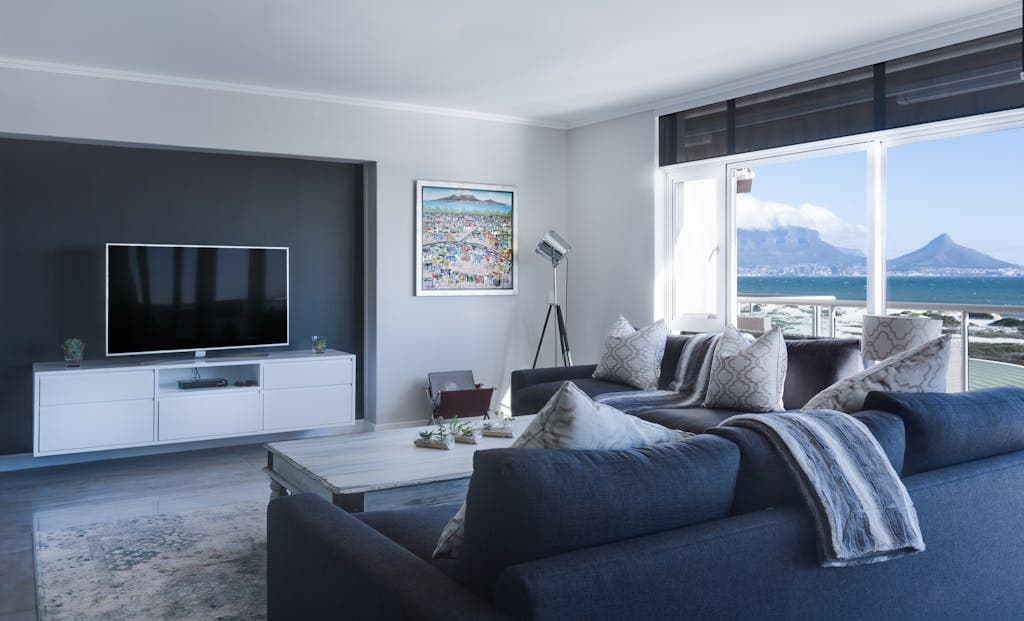 Before
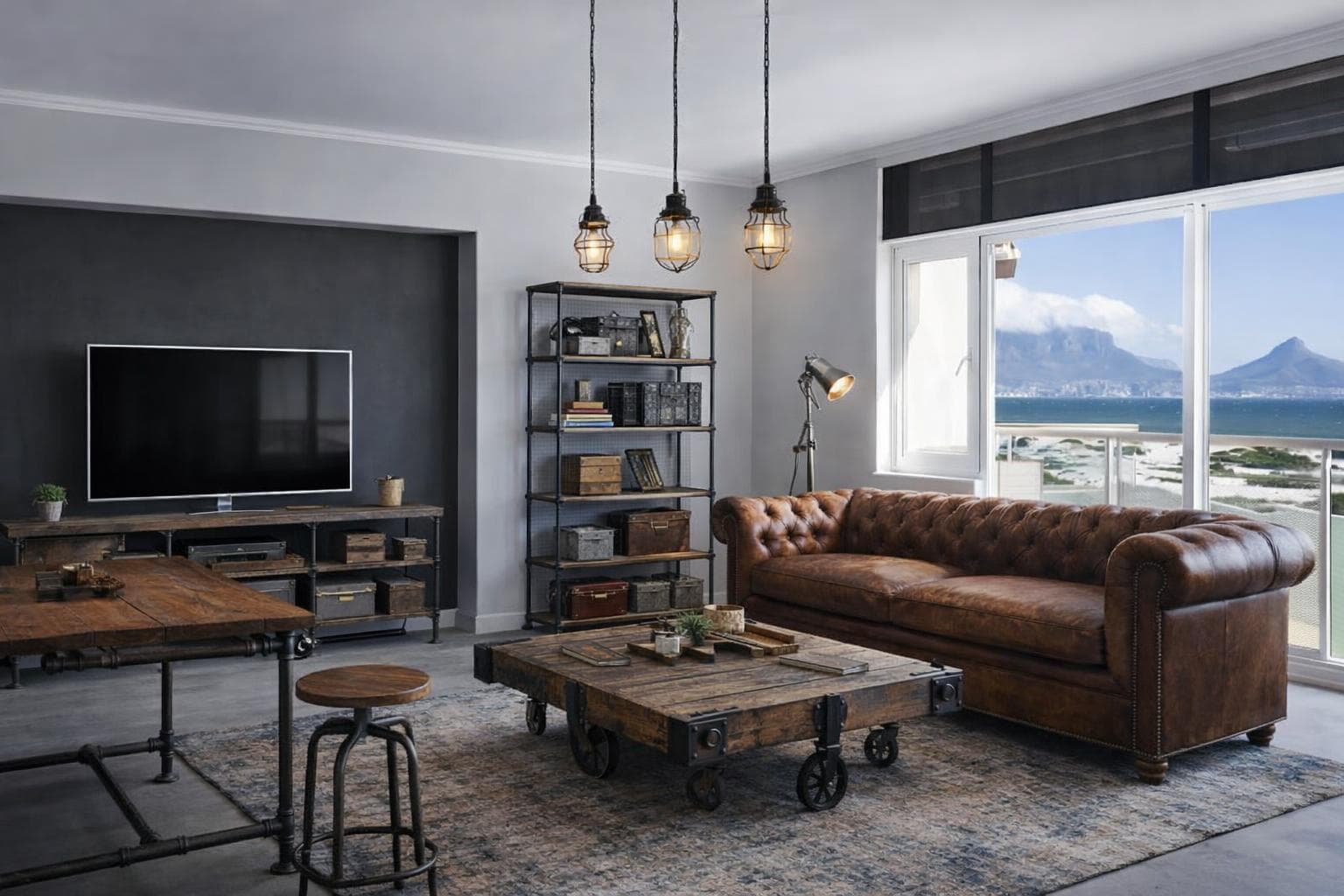 After
AfterSee Industrial in your room before you buy
Upload a photo and get a photorealistic redesign in under a minute
Key elements of Industrial
Exposed brick
Unfinished or whitewashed brick walls provide rugged texture and historical character central to the industrial look.
Metal frameworks
Black steel window frames, pipe shelving, iron table bases, and metal stools deliver the utilitarian backbone of the style.
Concrete surfaces
Polished or raw concrete floors, countertops, and accent walls bring an unfussy, warehouse-authentic foundation.
Edison-bulb lighting
Exposed filament bulbs in cage pendants, gooseneck sconces, and cluster chandeliers create warm, atmospheric illumination.
Reclaimed wood
Salvaged timber used for tables, shelves, and accent walls adds warmth and environmental consciousness to hard-edged spaces.
Open ductwork
Visible pipes, vents, and ceiling joists celebrate the building's mechanical systems as design features rather than flaws.
Industrial works particularly well in:
Styles that pair well with Industrial


Industrial design traces its origins to the adaptive reuse of abandoned factories, warehouses, and workshops in cities like New York, London, and Detroit during the 1960s and 1970s. Artists and creatives, drawn by cheap rent and vast open floorplans, left exposed what developers would have concealed: brick walls, steel beams, concrete floors, and mechanical ductwork. What began as economic necessity became an intentional aesthetic that celebrates raw materials and the honest beauty of structural engineering.
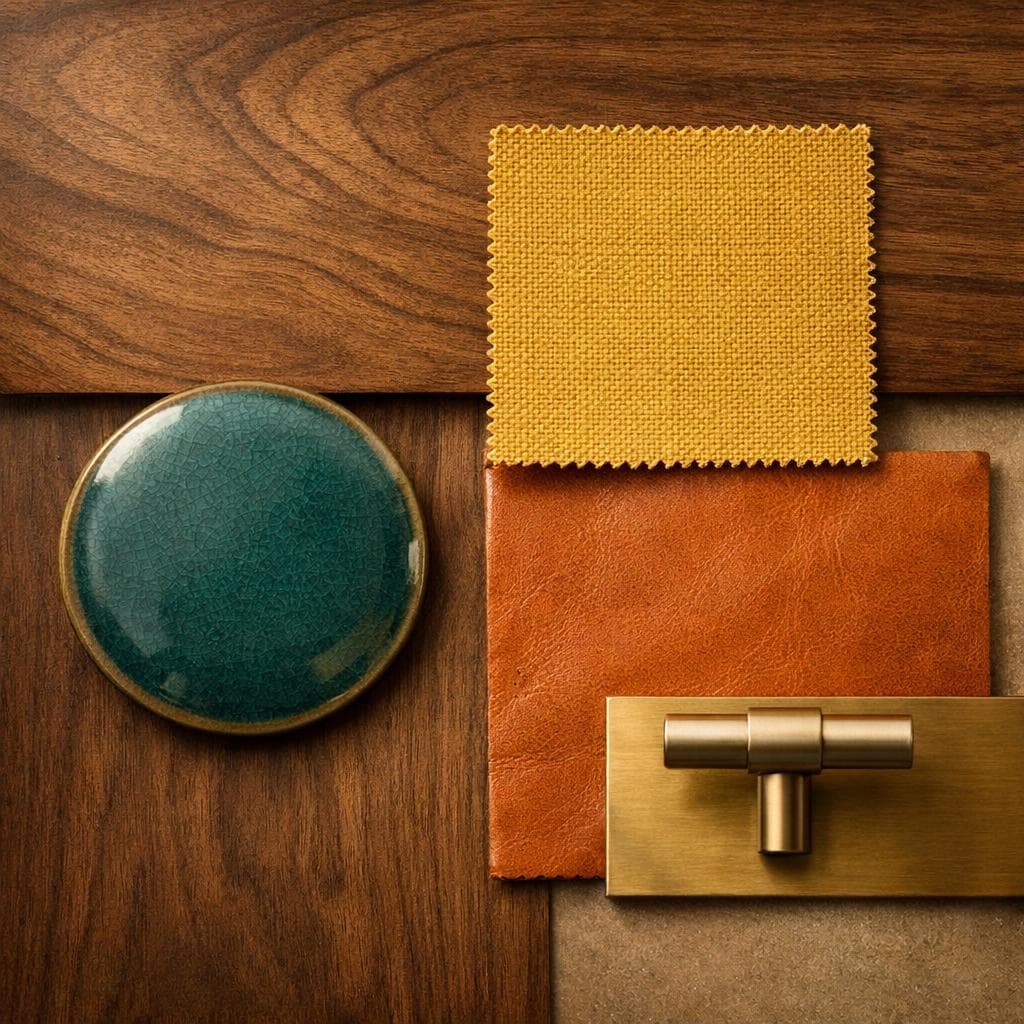
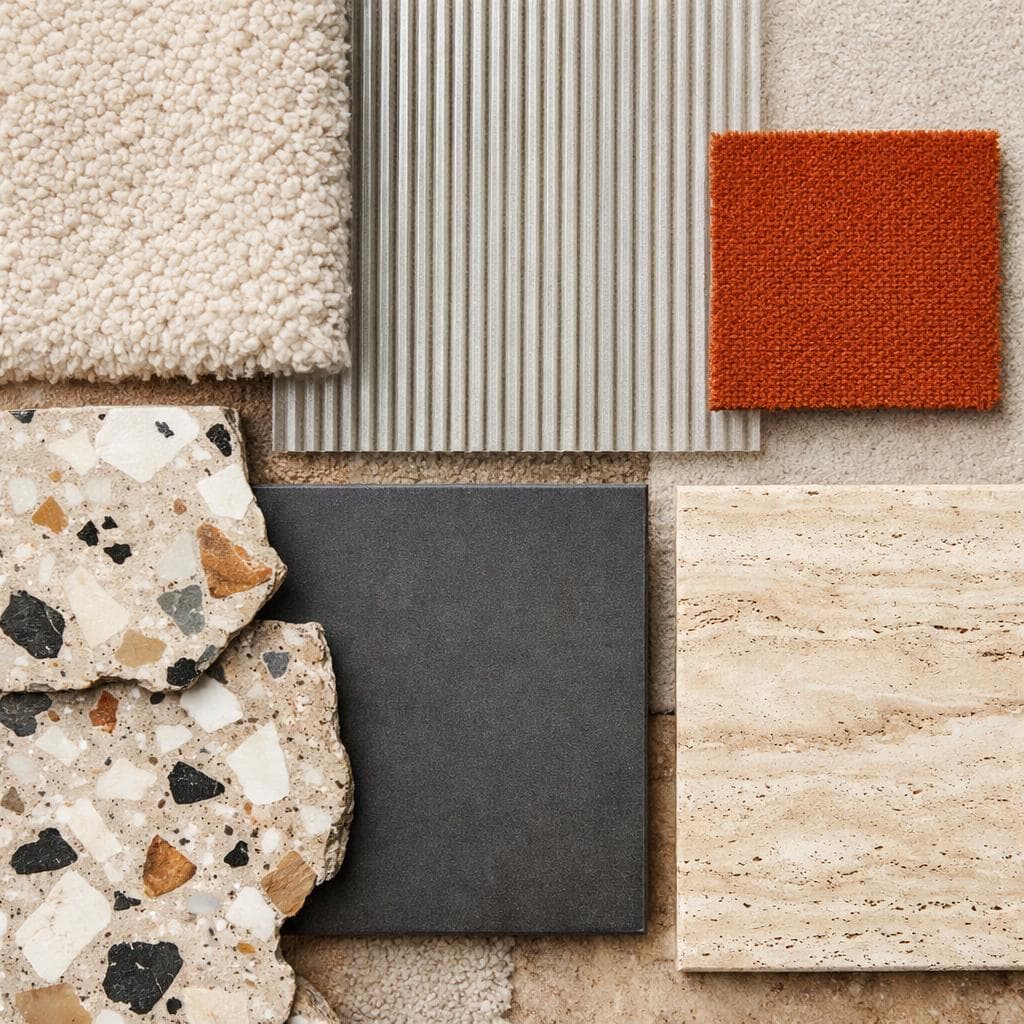
The palette of an industrial interior is drawn directly from its materials. Weathered red brick, matte black steel, poured concrete gray, and aged timber brown form the foundational colors. These are accented sparingly with warmer tones through leather upholstery, copper light fixtures, and the occasional potted plant. The overall impression is moody and masculine, though thoughtful layering of textiles and artwork easily softens the look for a more balanced atmosphere.
Furniture in industrial spaces tends toward oversized, sturdy pieces with visible construction. Reclaimed wood dining tables with cast-iron trestle bases, metal mesh lockers repurposed as storage, and leather club chairs with visible rivets are signature items. Shelving is open, often made from black iron pipe and reclaimed planks. Lighting leans heavily on exposed filament bulbs, gooseneck sconces, and factory-style pendant shades in matte black or brushed steel.
If your home lacks genuine loft architecture, you can still achieve the look. Apply an exposed-brick wallpaper or install a brick veneer accent wall. Choose furniture with metal frames and raw wood surfaces. Swap polished hardware for matte black pulls and hinges. Add vintage factory clocks, industrial stools at a kitchen island, and Edison-bulb string lights. The key is honest materiality: if something is made of metal, let it look like metal.
Frequently asked questions
How do I make an industrial room feel warm instead of cold?
Layer in warm materials to contrast the hard surfaces. A large area rug over concrete, leather seating with soft throws, and warm-toned wood on tables and shelving all help. Use warm-white Edison bulbs rather than cool LED lighting. Plants and books on open shelves also soften the space considerably.
Can industrial design work in a suburban house?
Yes. Focus on key accent elements rather than full warehouse conversion. An exposed-brick feature wall, metal-framed mirrors, open pipe shelving, and concrete-look tile can evoke the style in any home. Pair these with the warm wood and leather tones that ground industrial spaces without needing double-height ceilings.
What color palette works for industrial interiors?
Stick to a neutral base of charcoal, concrete gray, black, and off-white. Warm accents come from cognac leather, aged brass, copper fixtures, and natural wood tones. If you want color, deep navy and forest green work well as accent upholstery or painted metal furniture without disrupting the raw material palette.
Is industrial design practical for families?
It can be with some adjustments. Choose sealed concrete or luxury vinyl over raw concrete for easier cleaning. Opt for rounded-edge furniture to improve safety. Leather and metal furnishings are actually very durable and easy to wipe clean, making them surprisingly family-friendly compared to delicate fabrics.
See Industrial before you commit
Upload a photo and get a photorealistic AI redesign in under a minute. Start with 2 free renders.