Mid-century modern room design ideas
Clean lines, organic curves, walnut wood, and retro charm
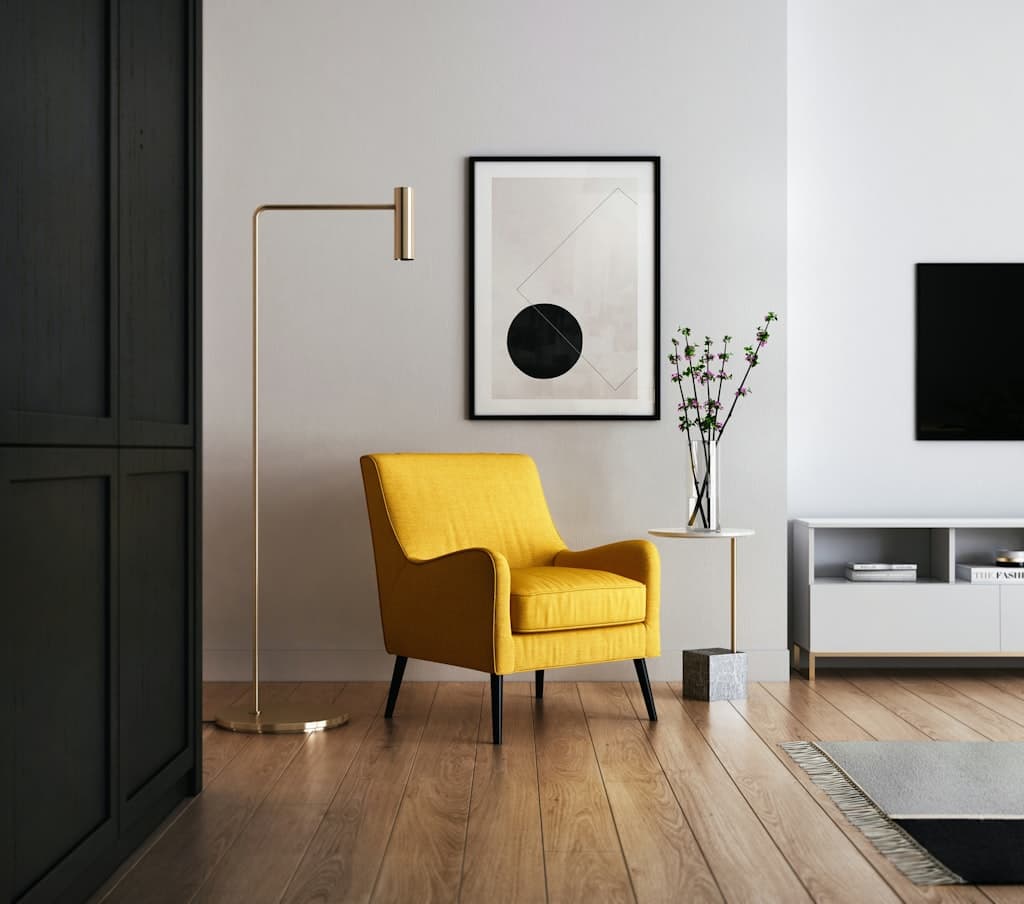 Before
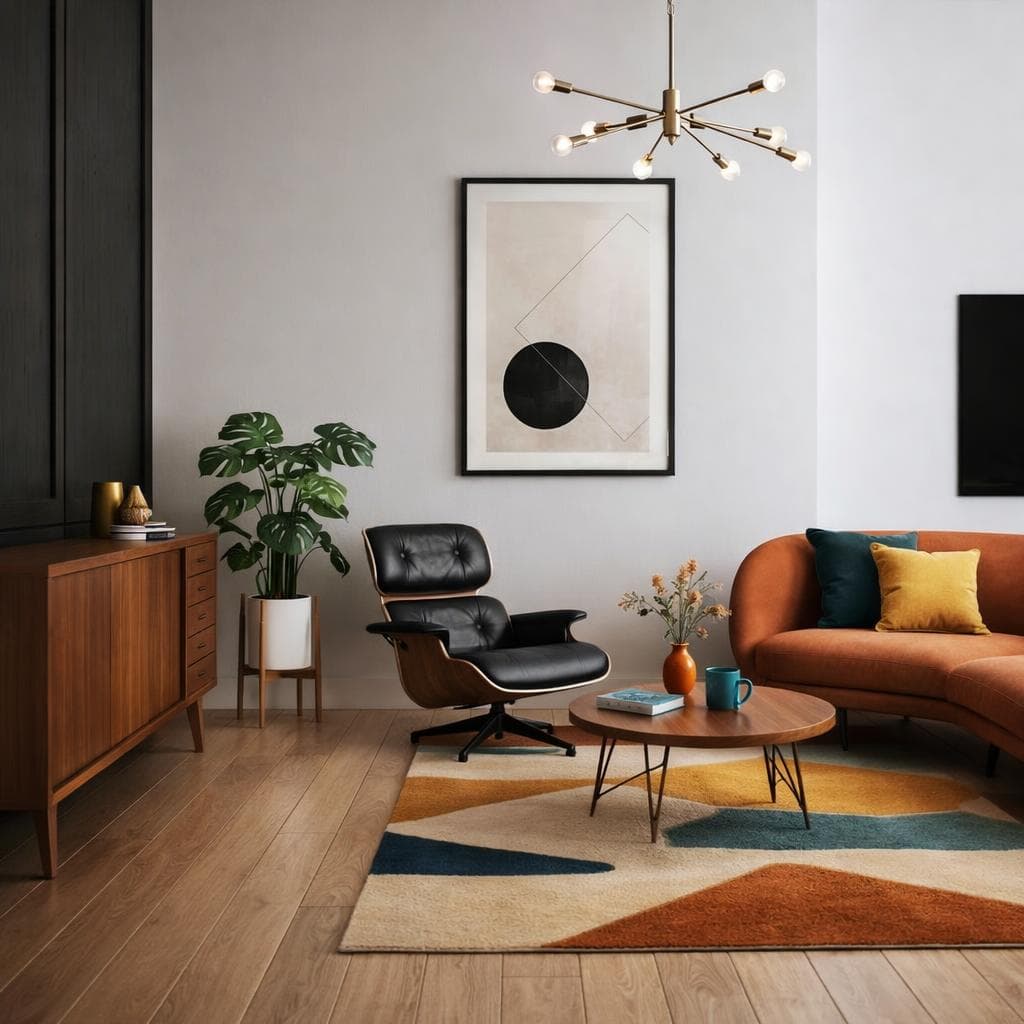 After
After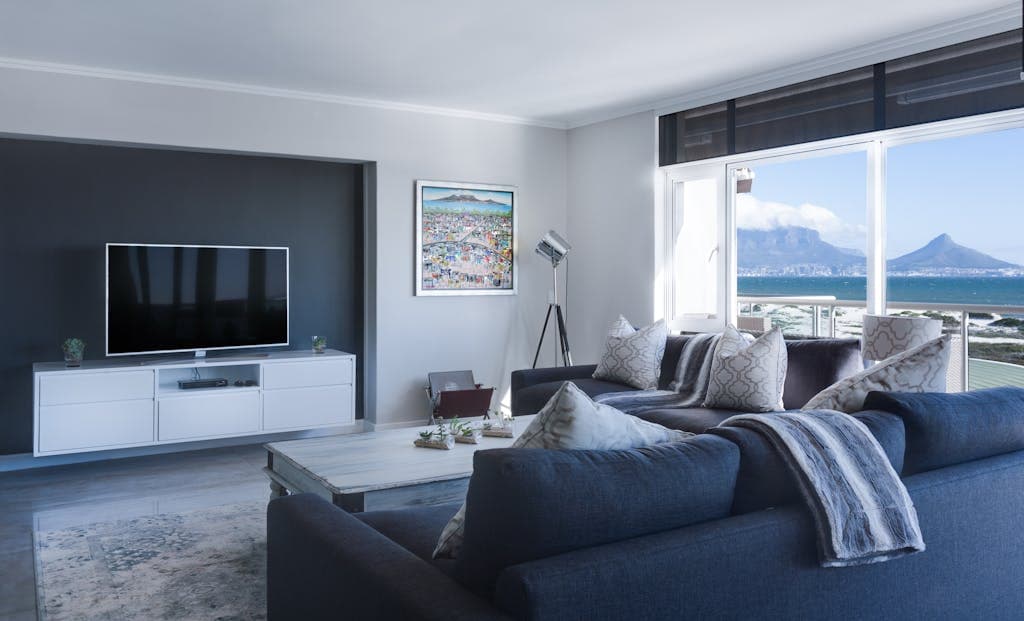 Before
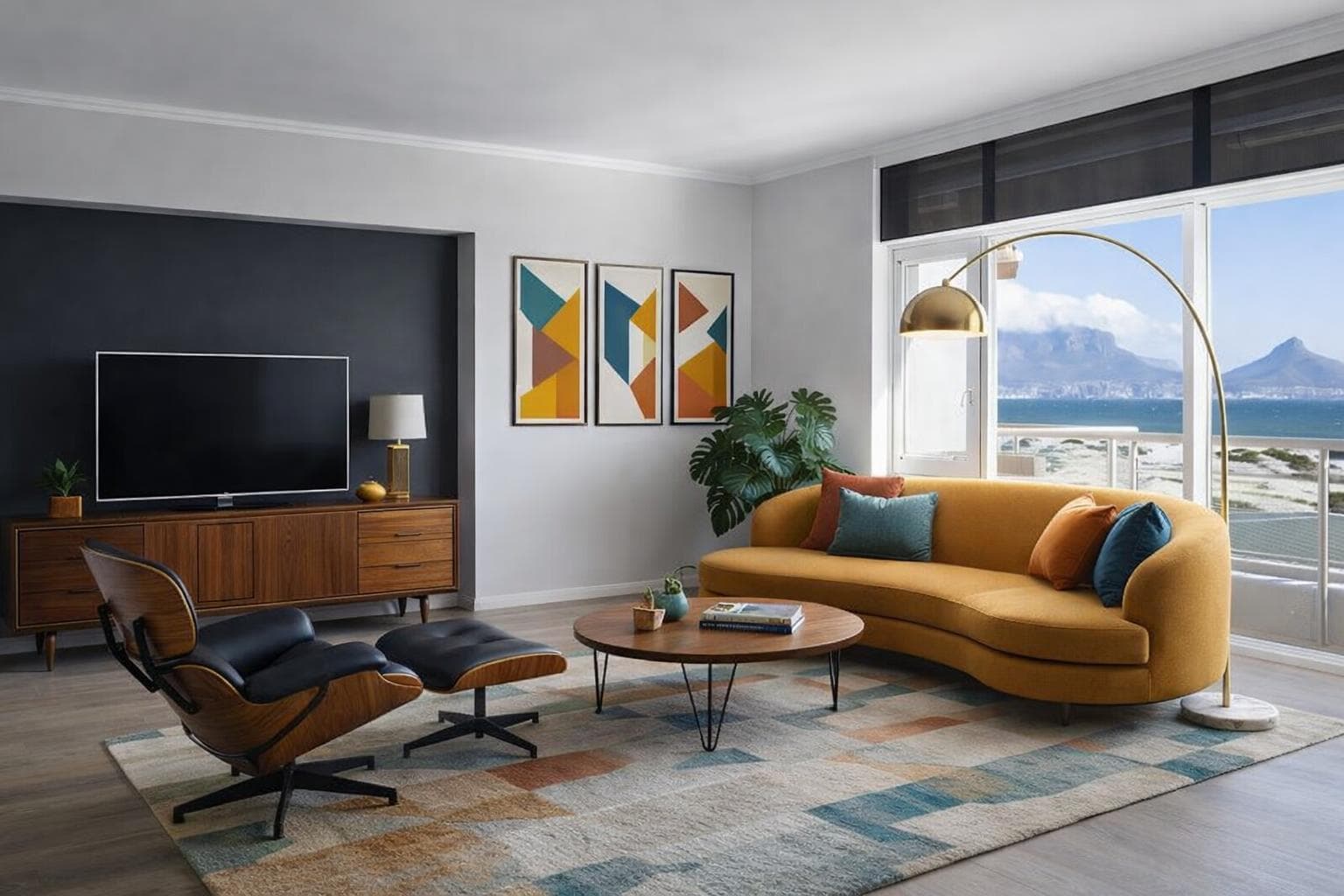 After
AfterSee Mid-century modern in your room before you buy
Upload a photo and get a photorealistic redesign in under a minute
Key elements of Mid-century modern
Tapered legs
Slender, angled legs on sofas, chairs, and tables create a floating, airy silhouette characteristic of the era.
Walnut and teak wood
Rich, warm-toned hardwoods with visible grain are used for credenzas, dining tables, and shelving units.
Organic curves
Molded plywood shells, tulip bases, and womb-shaped chairs bring sculptural interest balanced by geometric frames.
Bold accent colors
Mustard yellow, olive green, burnt orange, and teal are layered against neutral backdrops of white and warm gray.
Statement lighting
Sputnik chandeliers, arc floor lamps, and Nelson bubble pendants serve as functional art pieces.
Indoor-outdoor connection
Large windows, sliding glass doors, and houseplants blur the boundary between interior spaces and nature.
Mid-century modern works particularly well in:
Styles that pair well with Mid-century modern
Mid-century modern design emerged in the post-World War II era, roughly spanning the 1940s through the 1960s, as architects and designers embraced new manufacturing techniques and a spirit of optimism. Rooted in the Bauhaus movement and Scandinavian design traditions, figures like Charles and Ray Eames, Eero Saarinen, and Arne Jacobsen championed the idea that beautiful, functional furniture should be accessible to everyone. The result was a democratic design language that remains as fresh and relevant today as it was seven decades ago.
The hallmark of mid-century modern interiors is the balance between clean geometric lines and organic, sculptural curves. Furniture silhouettes are low-slung and horizontal, with splayed tapered legs that give pieces a sense of lightness. Open floor plans, large windows, and a strong connection to nature define the architectural side. You will find starburst clocks, abstract art, and carefully placed greenery serving as accent elements rather than clutter.
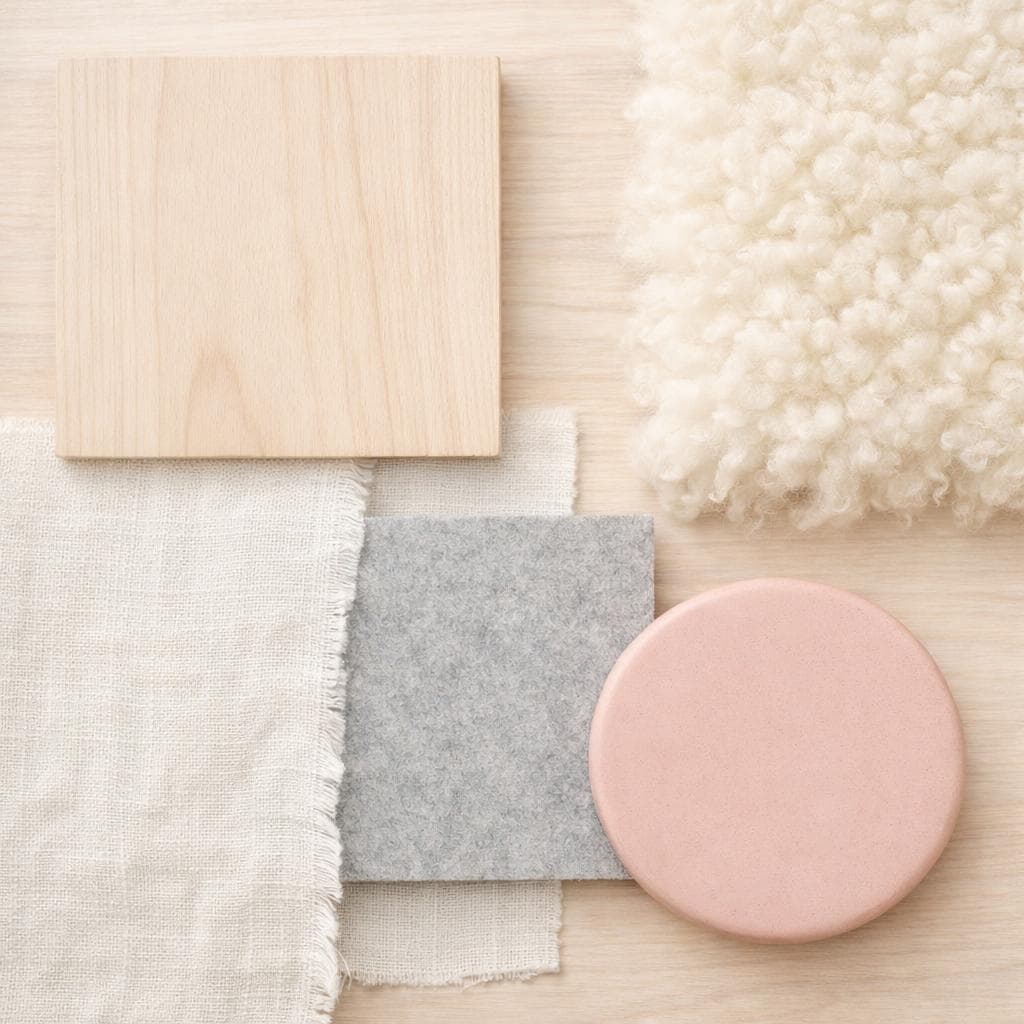
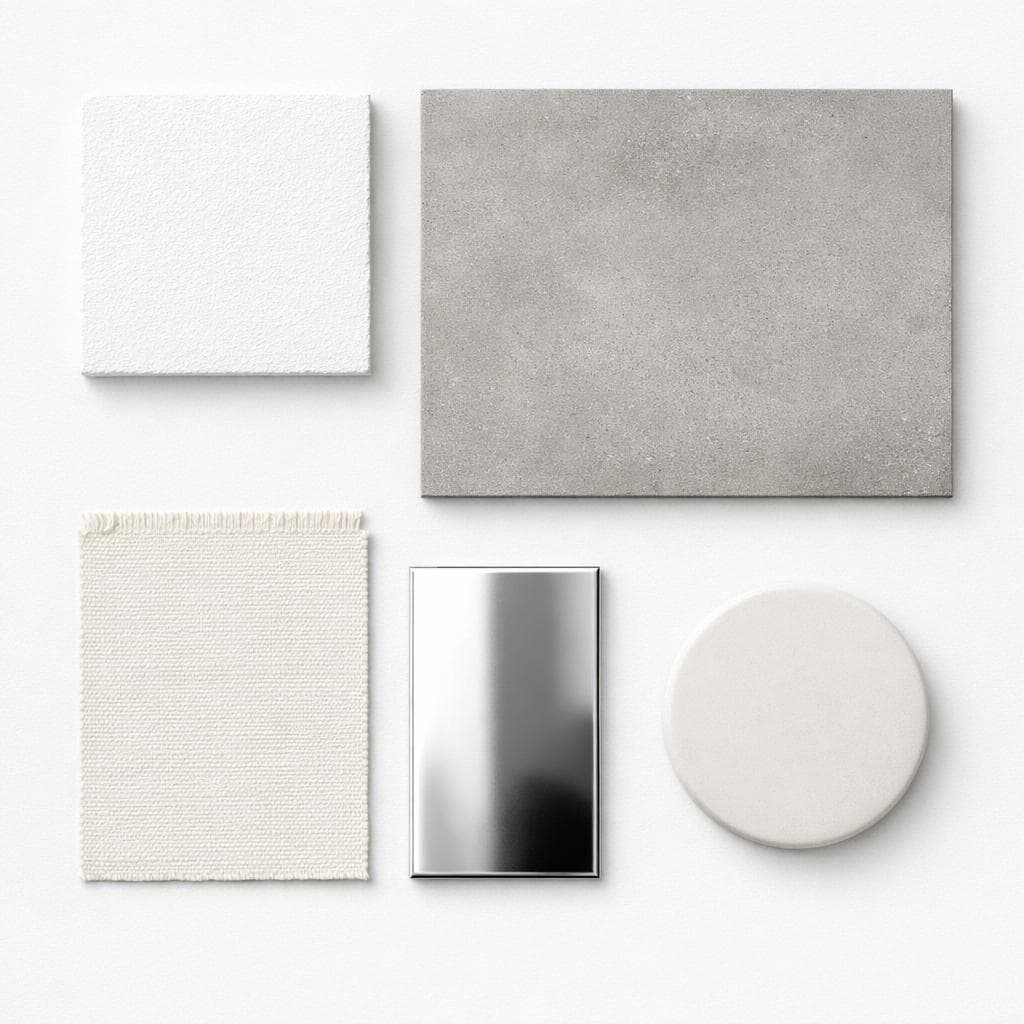
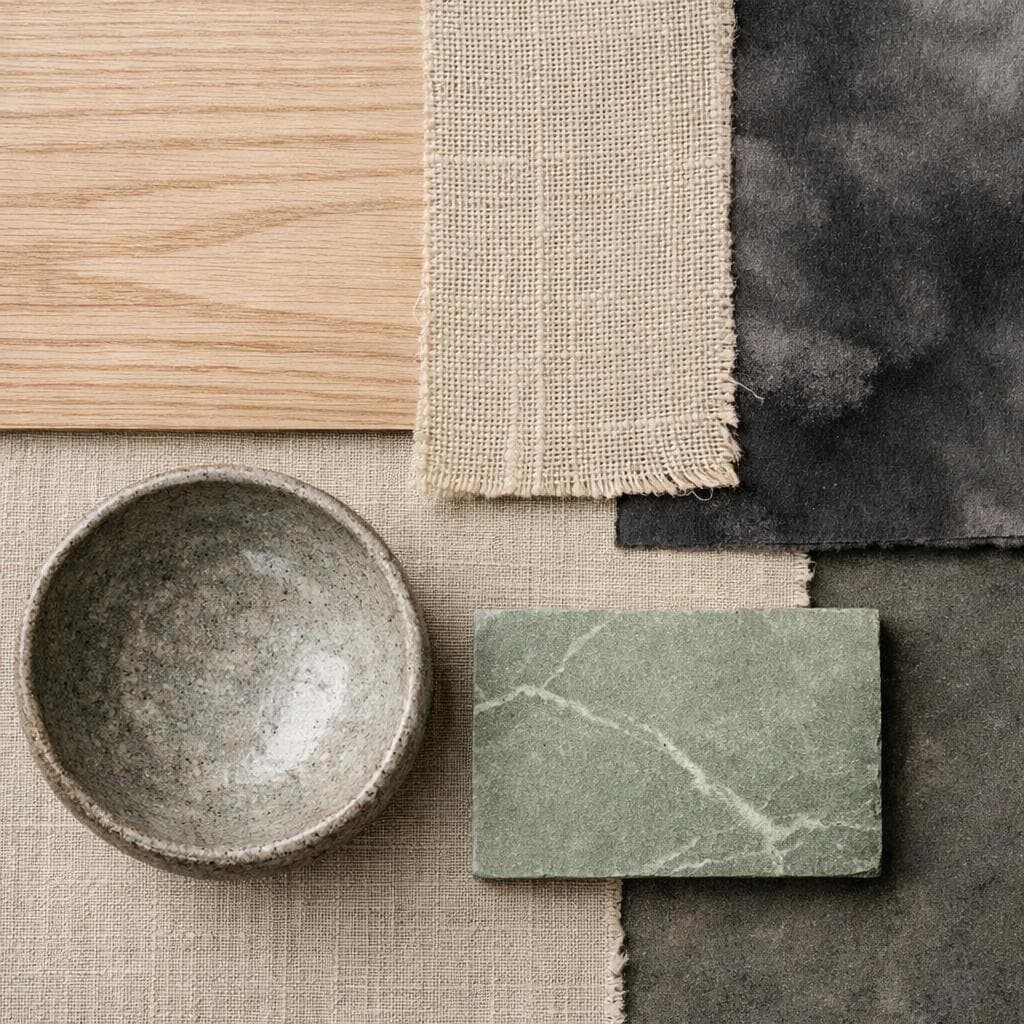
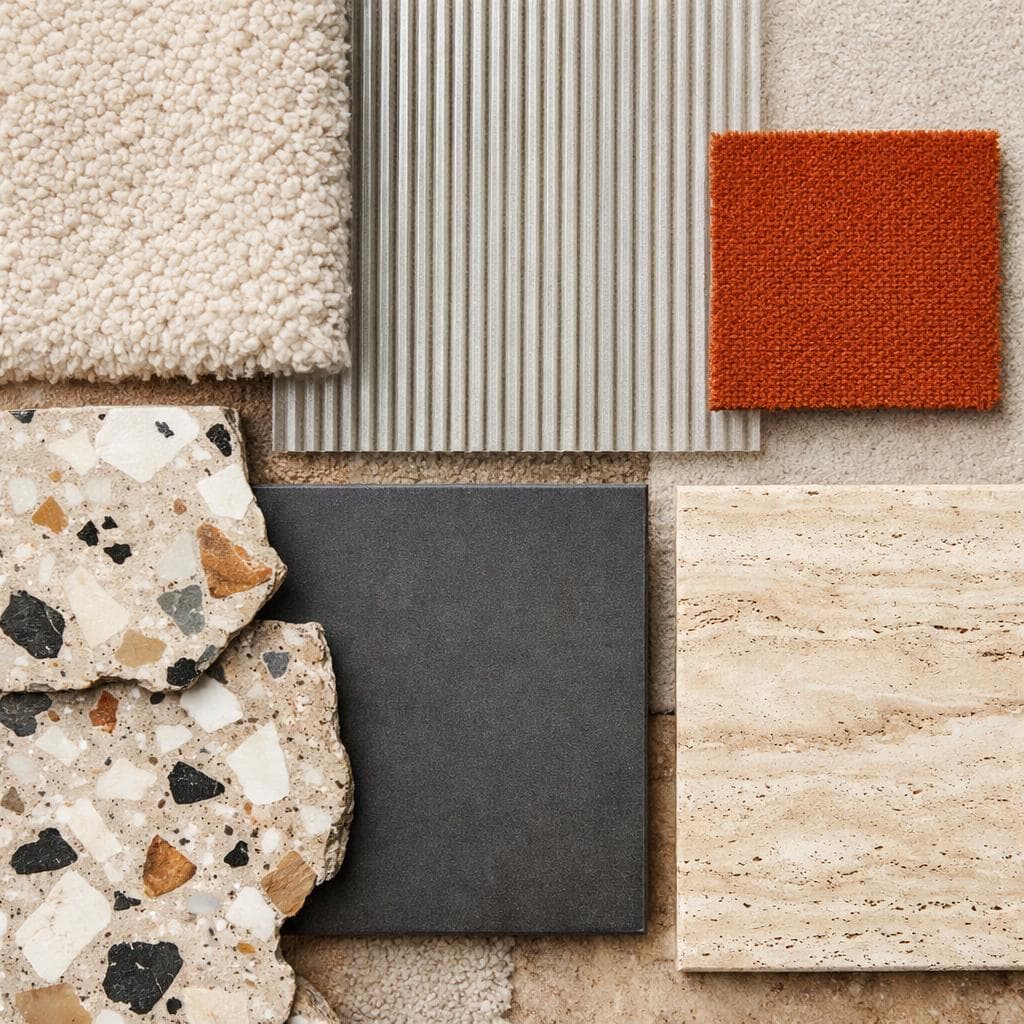
Materials are central to the style's identity. Warm walnut and teak dominate case goods and shelving, while molded plywood and fiberglass bring sculptural freedom to seating. Upholstery favors durable woven textiles in mustard, olive, burnt orange, and teal set against a neutral backdrop of white, cream, or warm gray walls. Terrazzo and hardwood floors anchor the space, often softened with a flat-weave or shag area rug in a geometric pattern.
To get the look without a full renovation, start with one signature piece such as an Eames lounge chair or a credenza with sliding doors. Swap out dated hardware for brass or brushed-gold pulls, add a sputnik chandelier or Nelson-style bubble lamp, and finish with ceramic planters holding fiddle-leaf figs or monstera plants. The goal is purposeful simplicity: every object earns its place through both beauty and function.
Frequently asked questions
Is mid-century modern furniture comfortable for everyday use?
Absolutely. Pieces like lounge chairs with molded plywood shells and cushioned seats were designed for prolonged sitting. Look for reproductions with high-density foam and durable upholstery if vintage finds feel too firm. Many modern manufacturers produce ergonomic updates that retain the iconic silhouette.
How do I mix mid-century modern with pieces I already own?
Start with one anchor piece like a credenza or lounge chair and build outward. Mid-century's clean lines pair well with most neutral furniture. Add era-appropriate accents such as brass hardware, geometric rugs, and abstract art to tie the room together without replacing everything at once.
What flooring works best for mid-century modern rooms?
Medium-toned hardwood, especially walnut or white oak, is the most authentic choice. Terrazzo tile works well in entryways and kitchens. If hardwood is not in the budget, luxury vinyl plank in a warm wood tone paired with a flat-weave geometric rug achieves a similar look.
Is mid-century modern expensive to achieve on a budget?
Not necessarily. Thrift stores and estate sales are rich sources for authentic pieces at low cost. Many affordable retailers offer faithful reproductions. Focus spending on one statement piece and use budget finds for the rest. The style's minimalist nature means you need fewer items overall.
See Mid-century modern before you commit
Upload a photo and get a photorealistic AI redesign in under a minute. Start with 2 free renders.