Contemporary room design ideas
Current trends with clean sophistication and bold accents
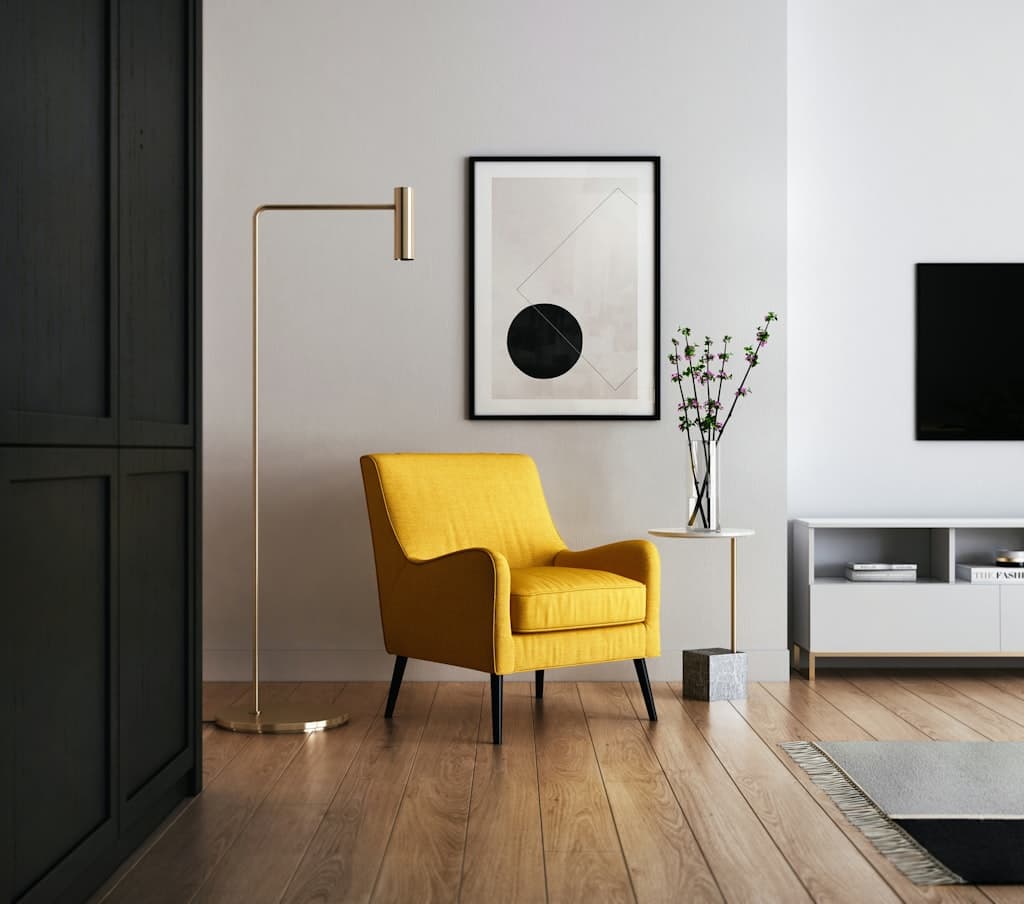 Before
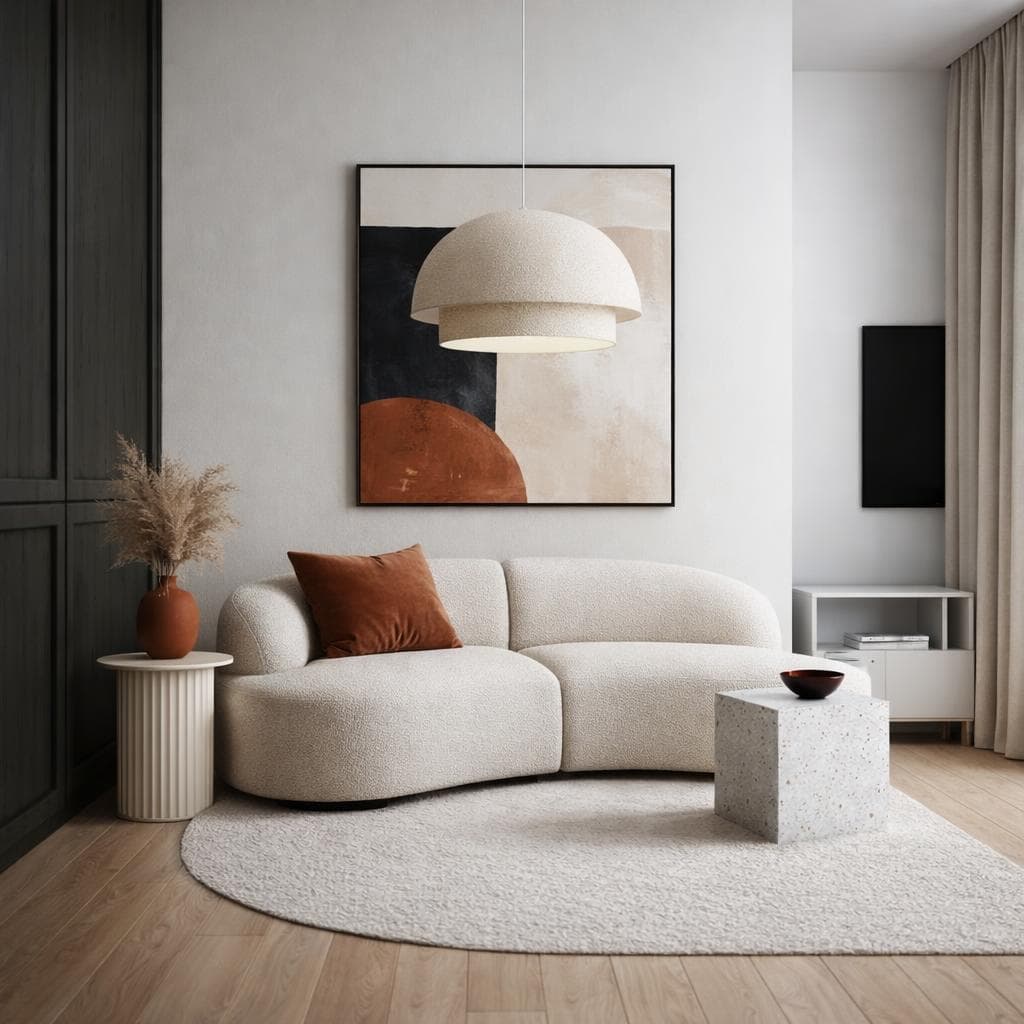 After
After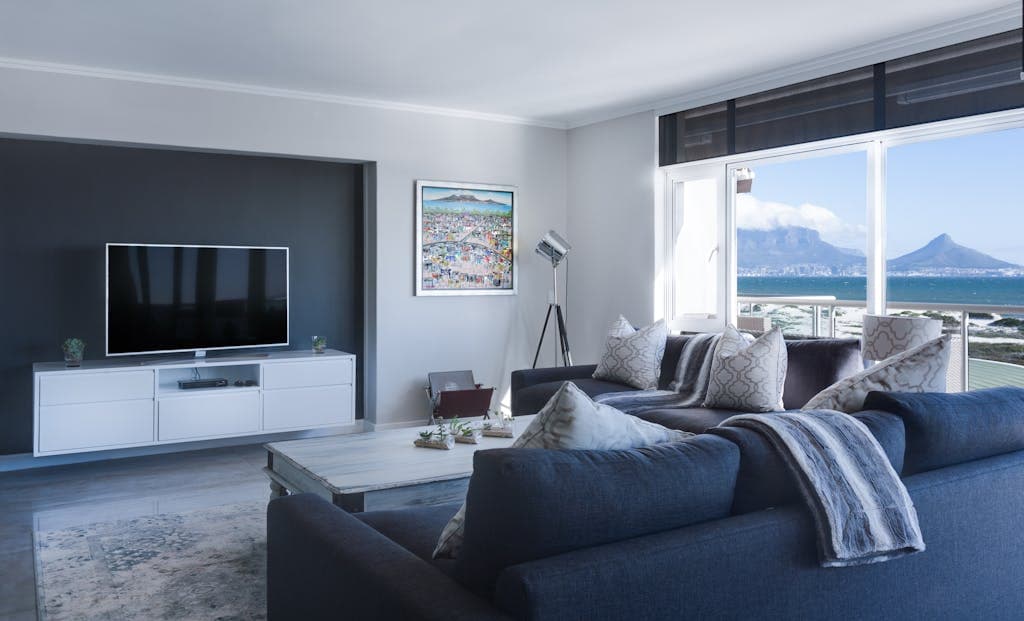 Before
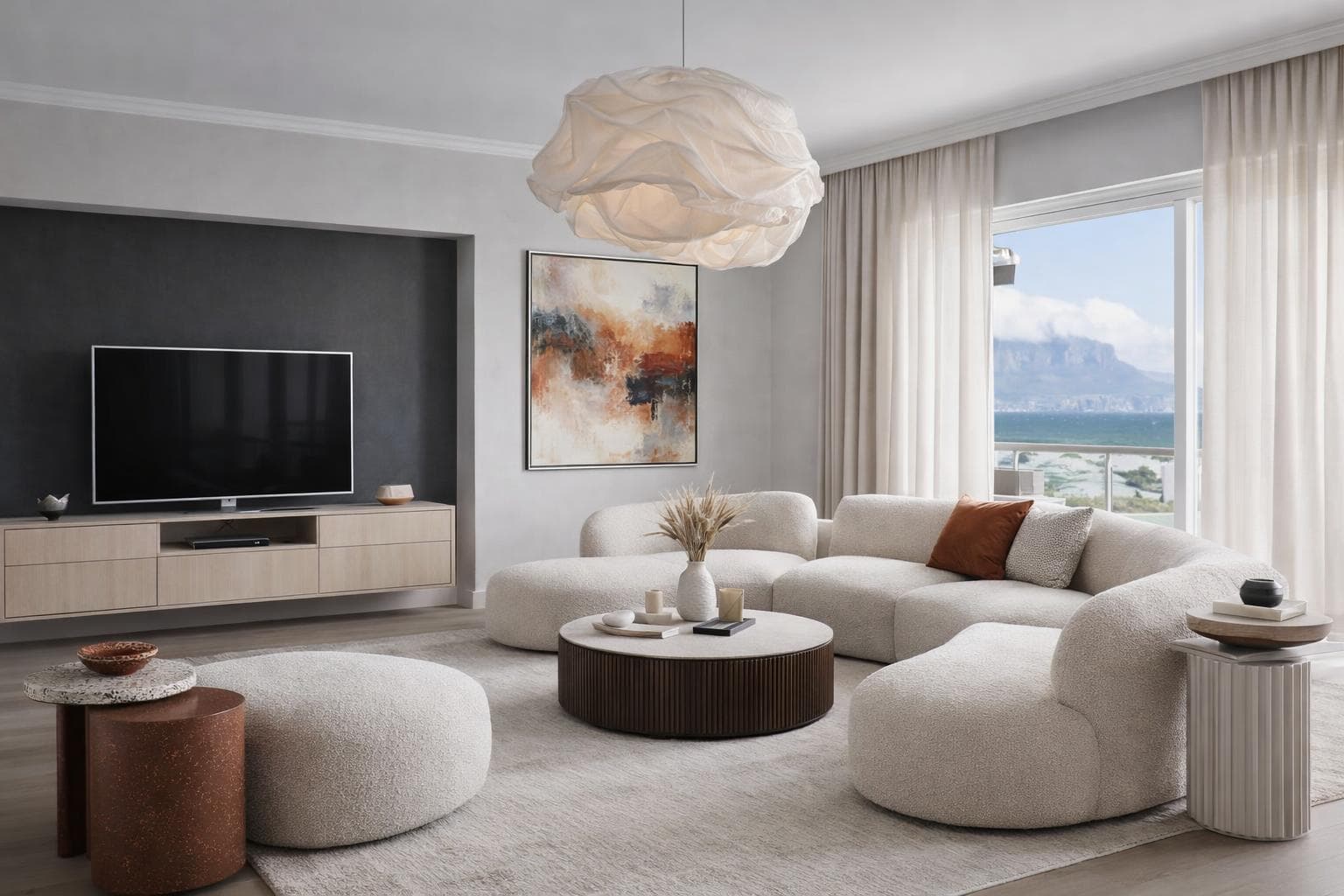 After
AfterSee Contemporary in your room before you buy
Upload a photo and get a photorealistic redesign in under a minute
Key elements of Contemporary
Curved silhouettes
Rounded sofas, arched mirrors, and organic-shaped coffee tables replace hard angles with inviting, sculptural softness.
Bouclé and textured fabrics
Nubby, tactile upholstery in neutral tones adds warmth and visual depth to clean-lined furniture forms.
Fluted surfaces
Ribbed wood panels on walls, islands, and cabinet fronts introduce rhythmic vertical texture throughout the space.
Statement lighting
Oversized pendants, sculptural chandeliers, and artisan glass fixtures serve as the primary decorative focal points.
Warm neutral tones
Greige, taupe, cream, and warm charcoal replace stark whites, creating a cocooning atmosphere of layered neutrals.
Mixed material finishes
Matte, honed, and brushed surfaces in stone, wood, metal, and ceramic create subtle contrast and tactile interest.
Contemporary works particularly well in:
Styles that pair well with Contemporary
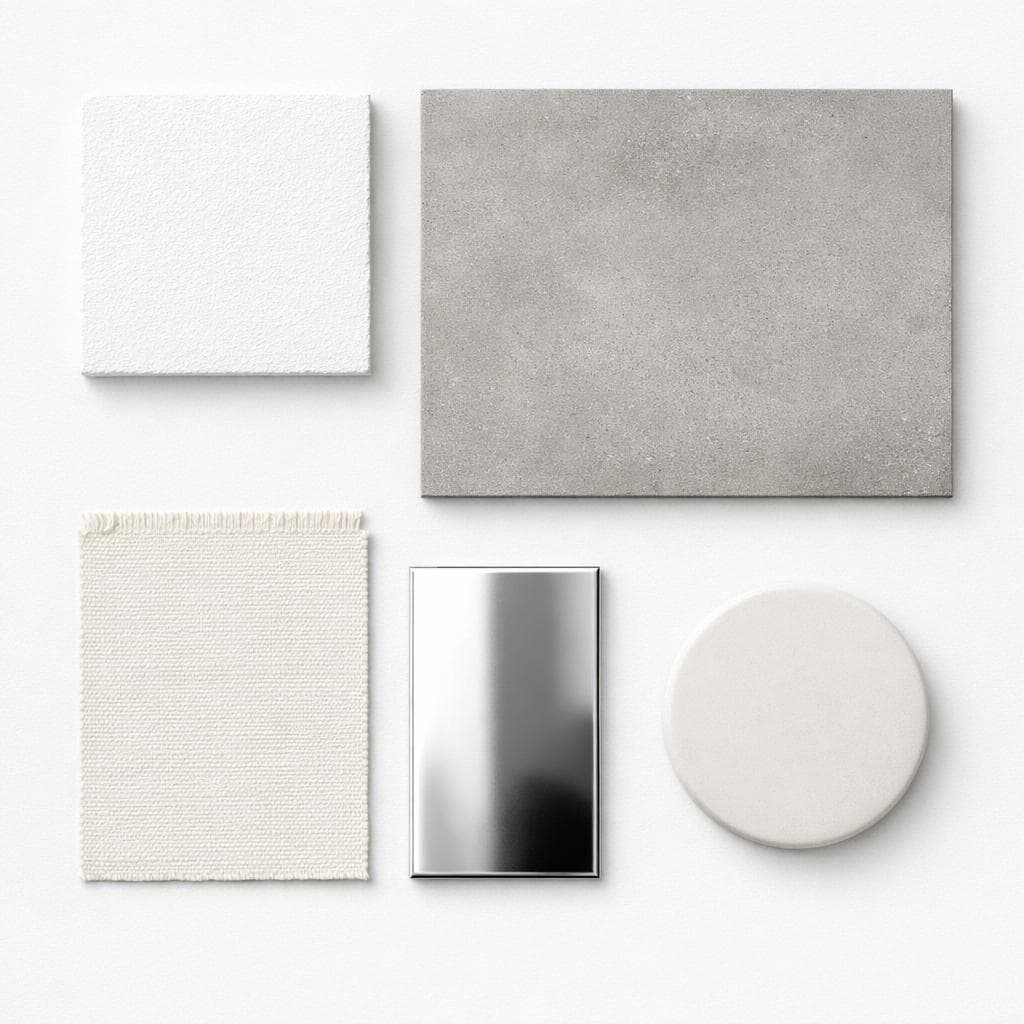
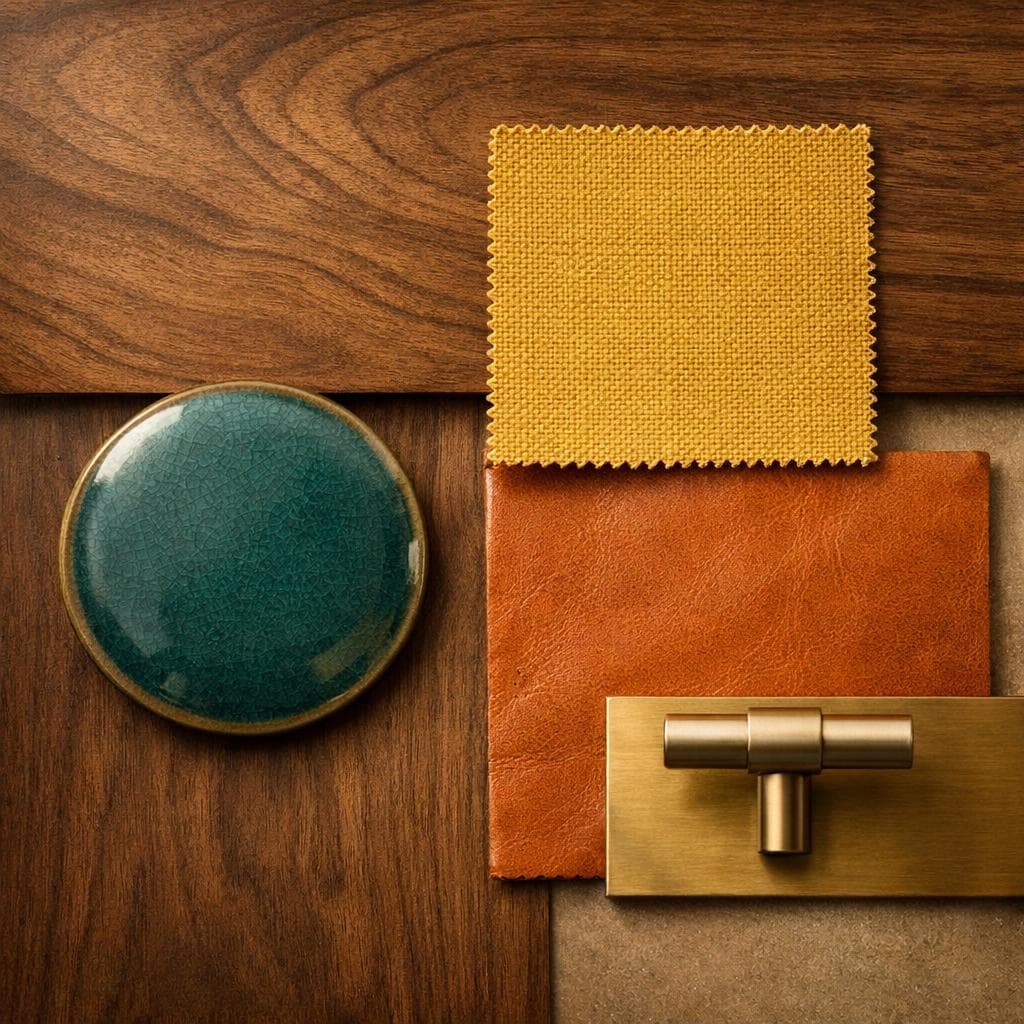
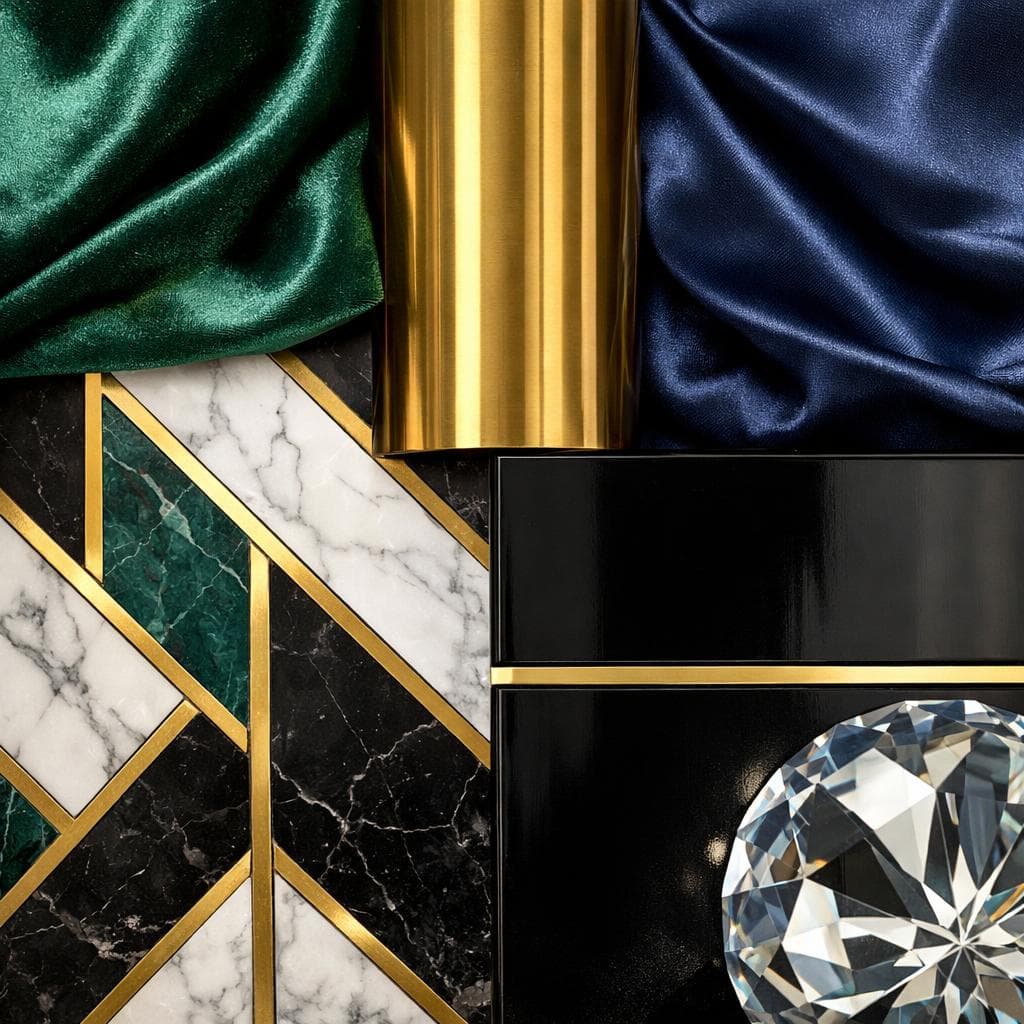
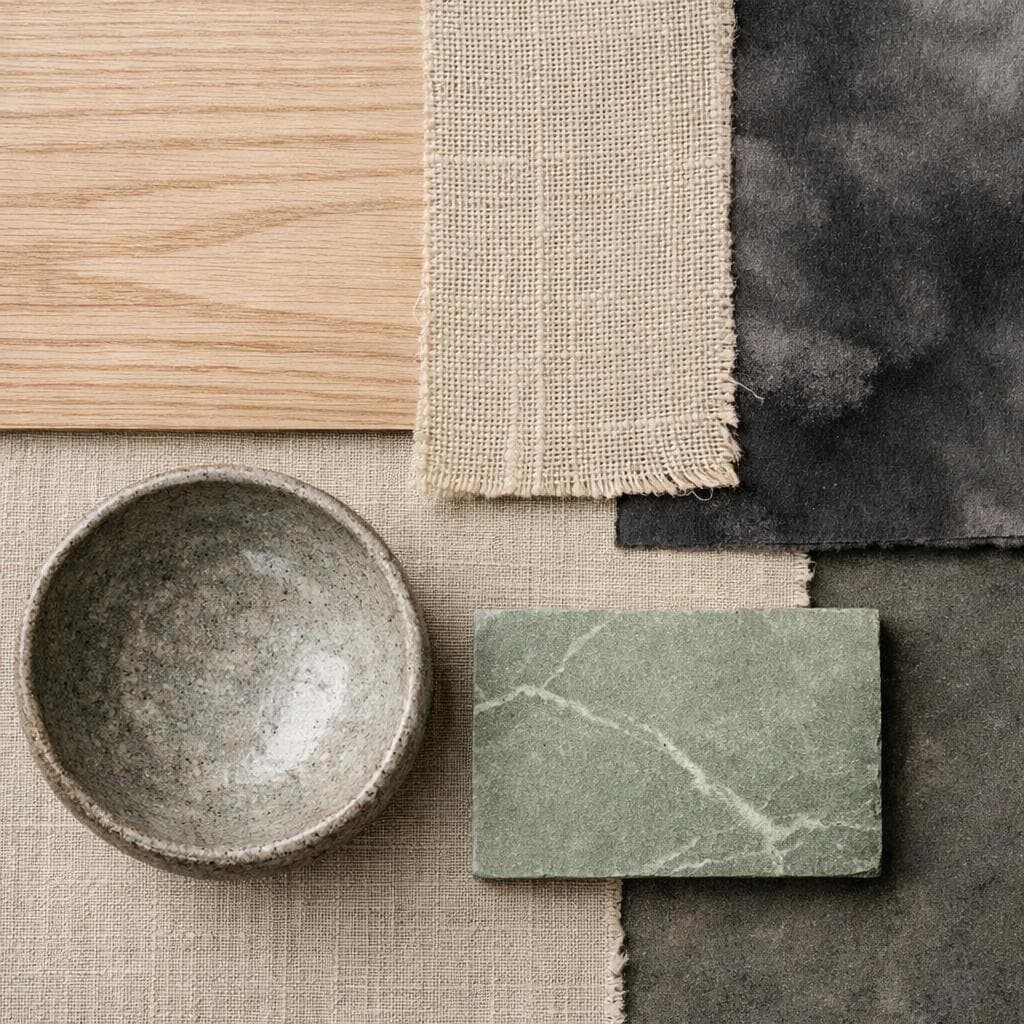
Contemporary design refers to what is happening in interiors right now, making it a constantly evolving style rather than a fixed historical period. Unlike modern design, which refers specifically to the mid-twentieth-century modernist movement, contemporary absorbs current trends, materials, and cultural influences into a cohesive aesthetic of clean sophistication. Today's contemporary interiors reflect a growing interest in soft curves, sustainable materials, artisan craftsmanship, and a warmer, more inviting approach to clean-lined spaces.
The contemporary palette is neutral but far from bland. Warm greiges, soft taupes, creamy whites, and charcoal grays form the base, enlivened by carefully chosen accent tones. Current favorites include terracotta, olive green, dusty blue, and warm rust. The emphasis is on tonal layering: multiple shades of the same color family creating depth and visual interest without sharp contrast. This tonal approach gives contemporary rooms a quiet cohesion that feels naturally pulled together.
Materiality is where contemporary design truly distinguishes itself. Bouclé and performance fabrics upholster curvy modular sofas. Fluted wood panels add texture to feature walls and island fronts. Terrazzo resurfaces in countertops and side tables. Travertine, once associated with dated Mediterranean homes, has been reimagined in contemporary honed finishes. The mix of matte and subtly textured surfaces, combined with sculptural lighting and organic-shaped furniture, gives rooms a gallery-like quality that is still genuinely livable.
To create a contemporary interior, start with a warm neutral base and invest in one or two statement furniture pieces with sculptural profiles. Choose a large curved sofa, a fluted console, or an arched floor mirror as an anchor. Layer in texture through a ribbed wool rug and linen curtains. Select lighting as art: an oversized organic pendant or a cluster of handblown glass globes. Keep decor minimal but intentional, with large-format abstract art and a few artisan-made ceramic objects.
Frequently asked questions
How is contemporary different from modern design?
Modern refers specifically to the mid-twentieth-century modernist movement with its defined rules and historical figures. Contemporary describes what is current right now and constantly evolves. Contemporary borrows from modern design but also incorporates current trends like curved furniture, warm tones, and mixed artisan materials that modernism would not have embraced.
Will a contemporary room look dated in five years?
Some trend-driven elements will shift, but the foundation of warm neutrals, quality materials, and clean lines has proven resilient. Invest in timeless structural pieces like a well-made sofa and quality flooring. Use more trend-forward items like accent pillows, art, and smaller accessories to update the look affordably as tastes evolve.
What artwork works in a contemporary setting?
Large-format abstract paintings, minimalist line drawings, and photography with strong composition all work well. The scale should be generous since contemporary rooms favor fewer, larger pieces over clustered galleries. Sculptural three-dimensional art and textured wall hangings also align with the current emphasis on materiality and craft.
Is contemporary design suitable for older homes?
Yes, and the contrast can be striking. Contemporary furniture against original crown molding, exposed brick, or hardwood floors creates a compelling dialogue between old and new. The warm neutral palette of contemporary design complements existing architectural character. Focus on furniture and finishes rather than altering the home's structural details.
See Contemporary before you commit
Upload a photo and get a photorealistic AI redesign in under a minute. Start with 2 free renders.