Minimalist room design ideas
Pared-back beauty with intention behind every object
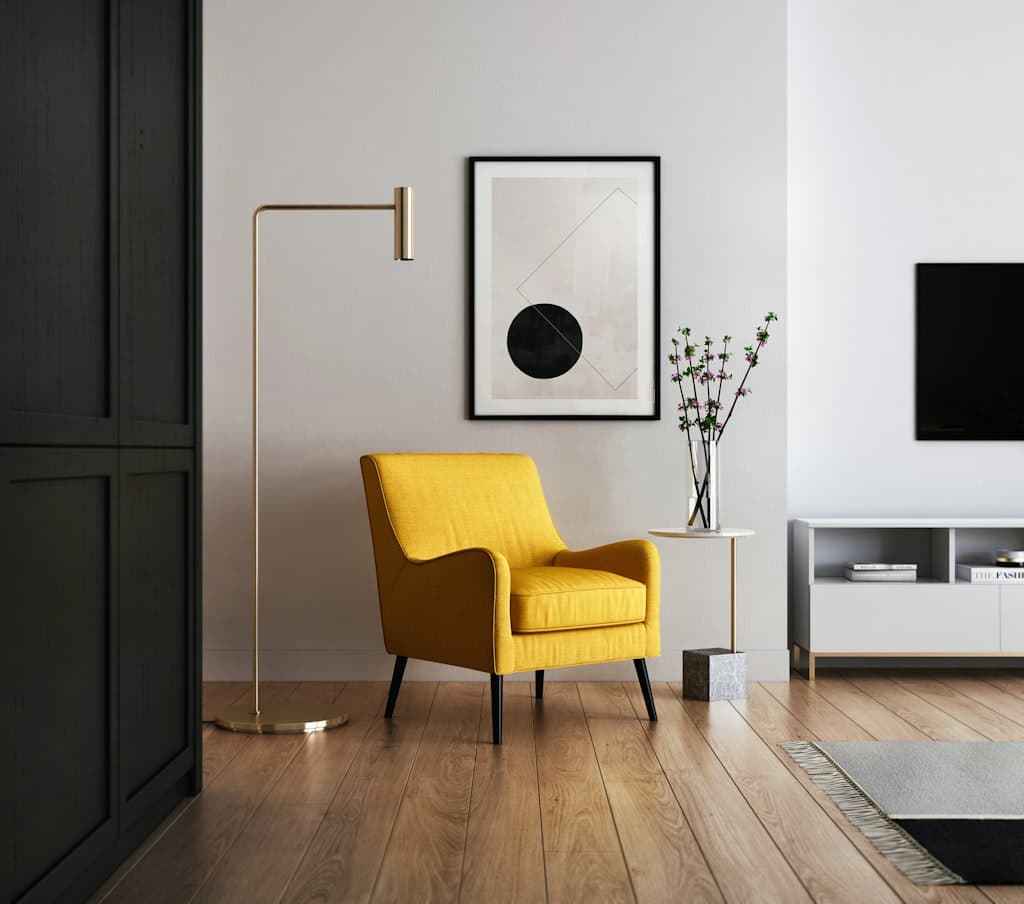 Before
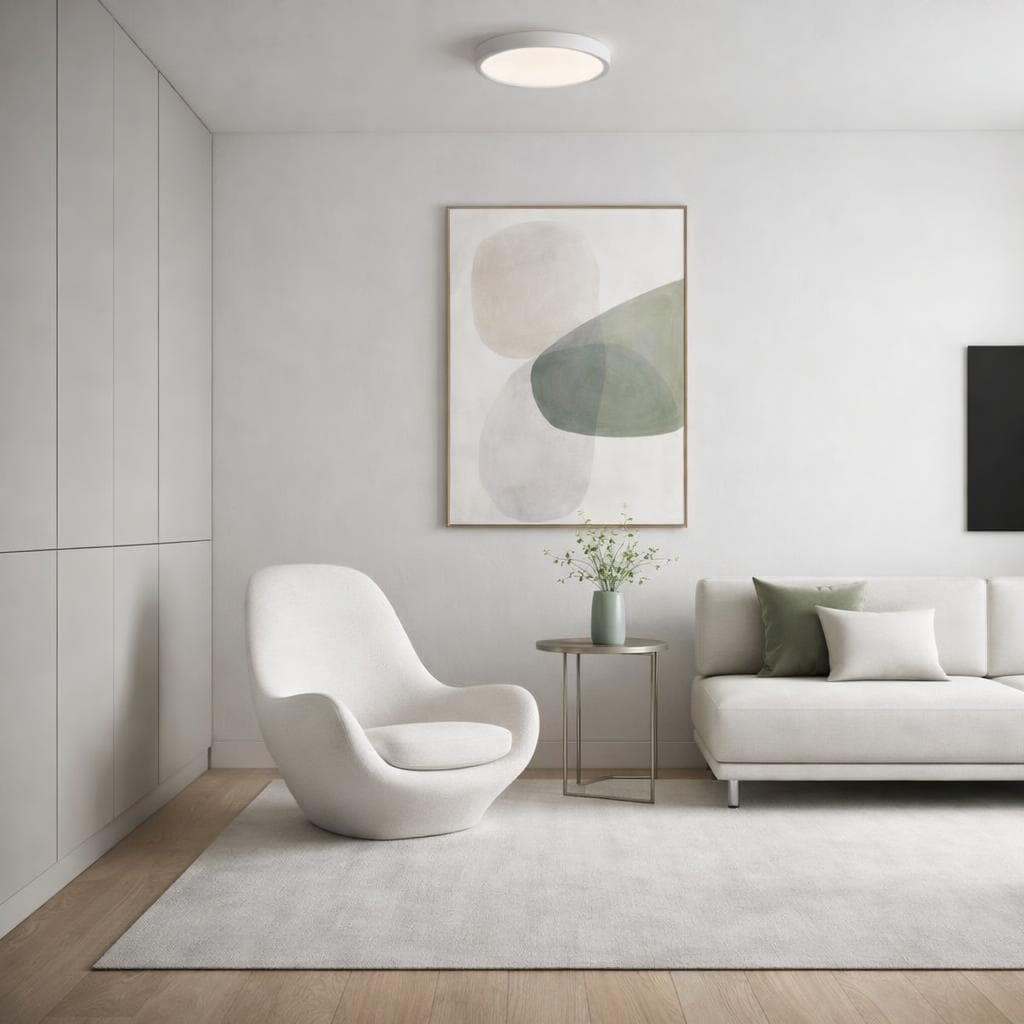 After
After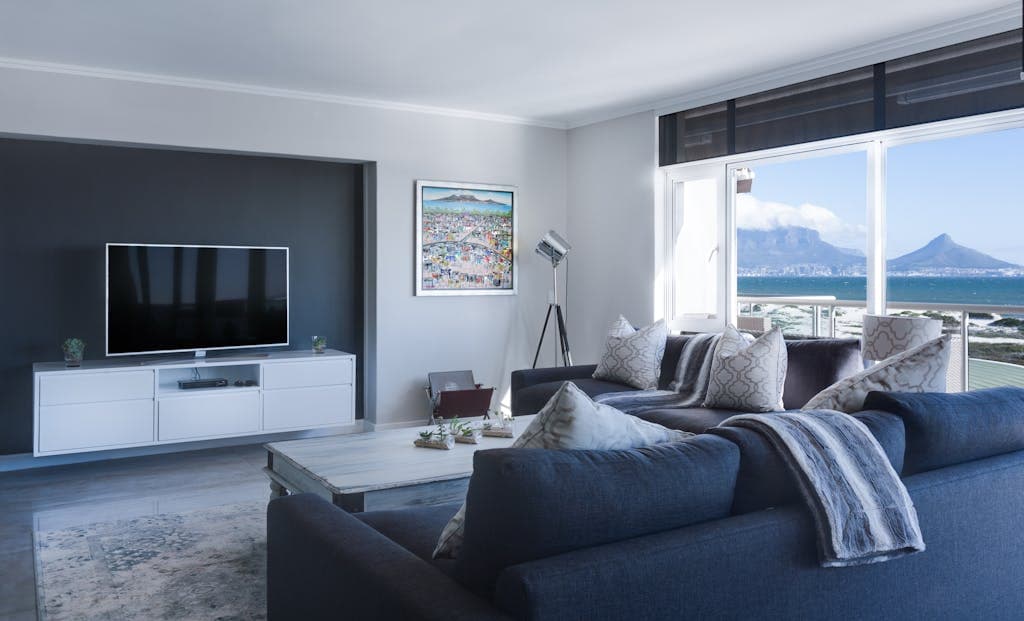 Before
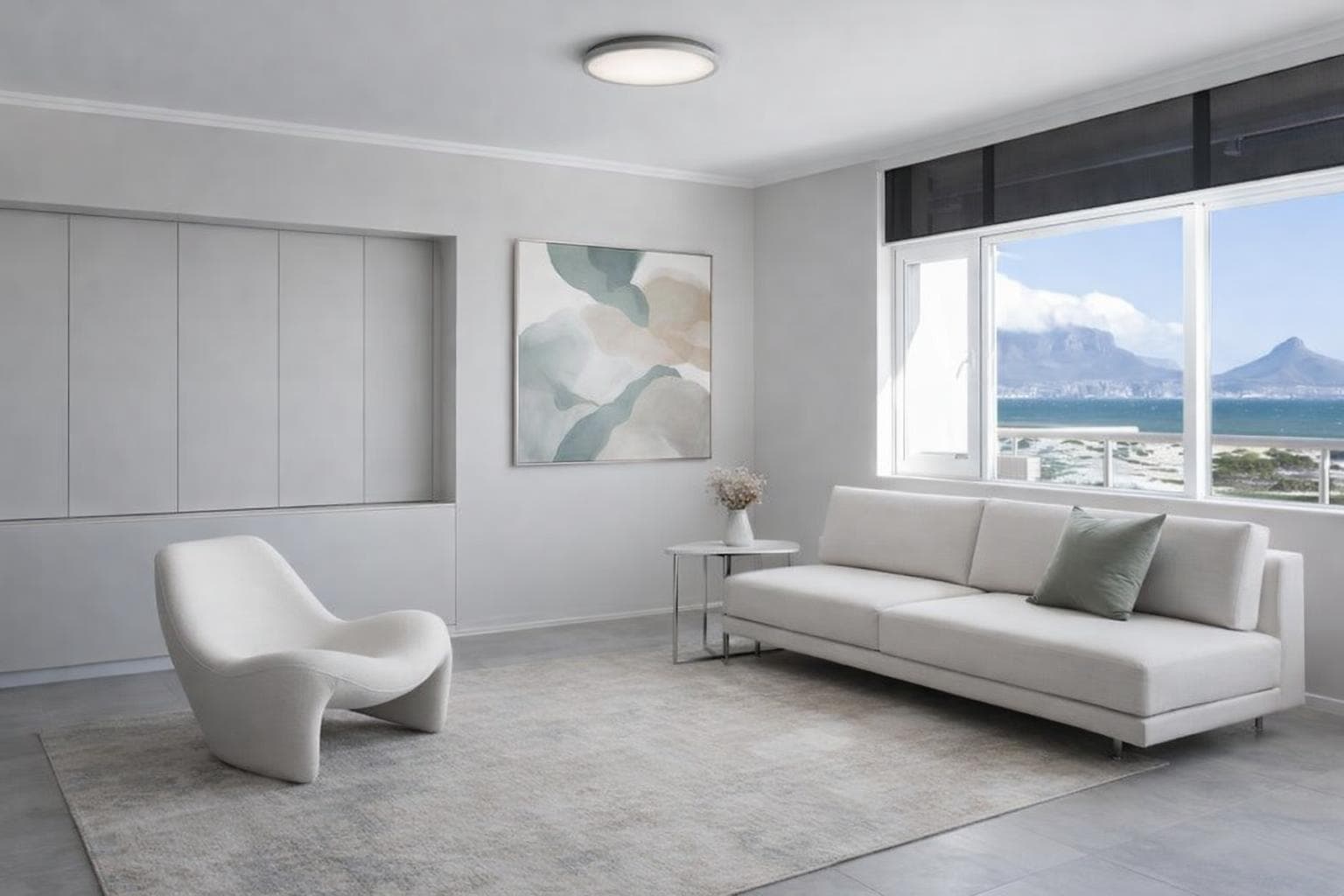 After
AfterSee Minimalist in your room before you buy
Upload a photo and get a photorealistic redesign in under a minute
Key elements of Minimalist
Concealed storage
Flush, handleless cabinetry and built-in closets hide possessions so that rooms maintain their clean, uncluttered planes.
Monochromatic palette
White, gray, and black in varying tones create a unified envelope that makes spaces feel expansive and calm.
Sculptural furniture
A single statement chair or table serves as functional art, drawing attention precisely because the room is otherwise spare.
Seamless surfaces
Polished concrete, micro-cement, and large-format stone tiles provide continuous, grout-minimal floors and walls.
Negative space
Empty walls, clear countertops, and open floor area are deliberate design choices that create visual breathing room.
Natural light emphasis
Floor-to-ceiling windows, skylights, and unadorned glass maximize daylight as the primary illumination source.
Minimalist works particularly well in:
Styles that pair well with Minimalist
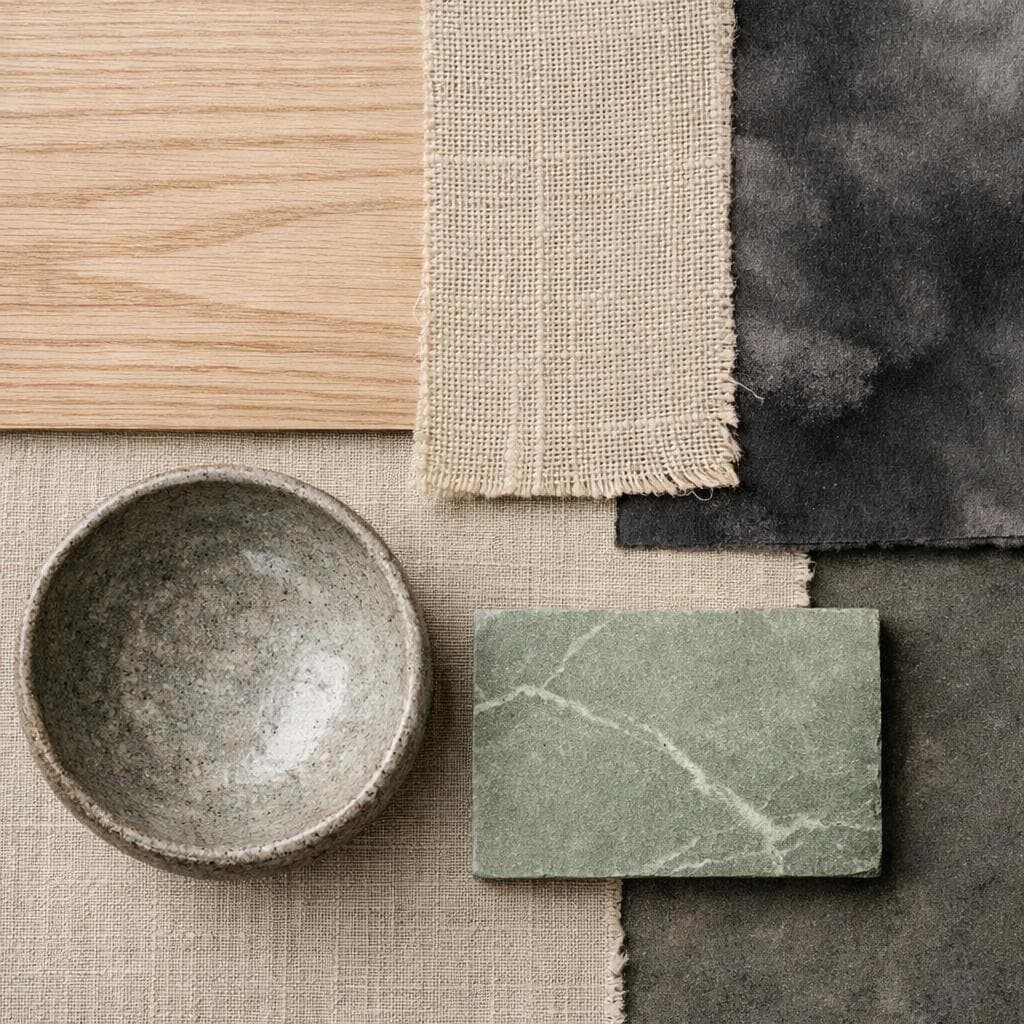
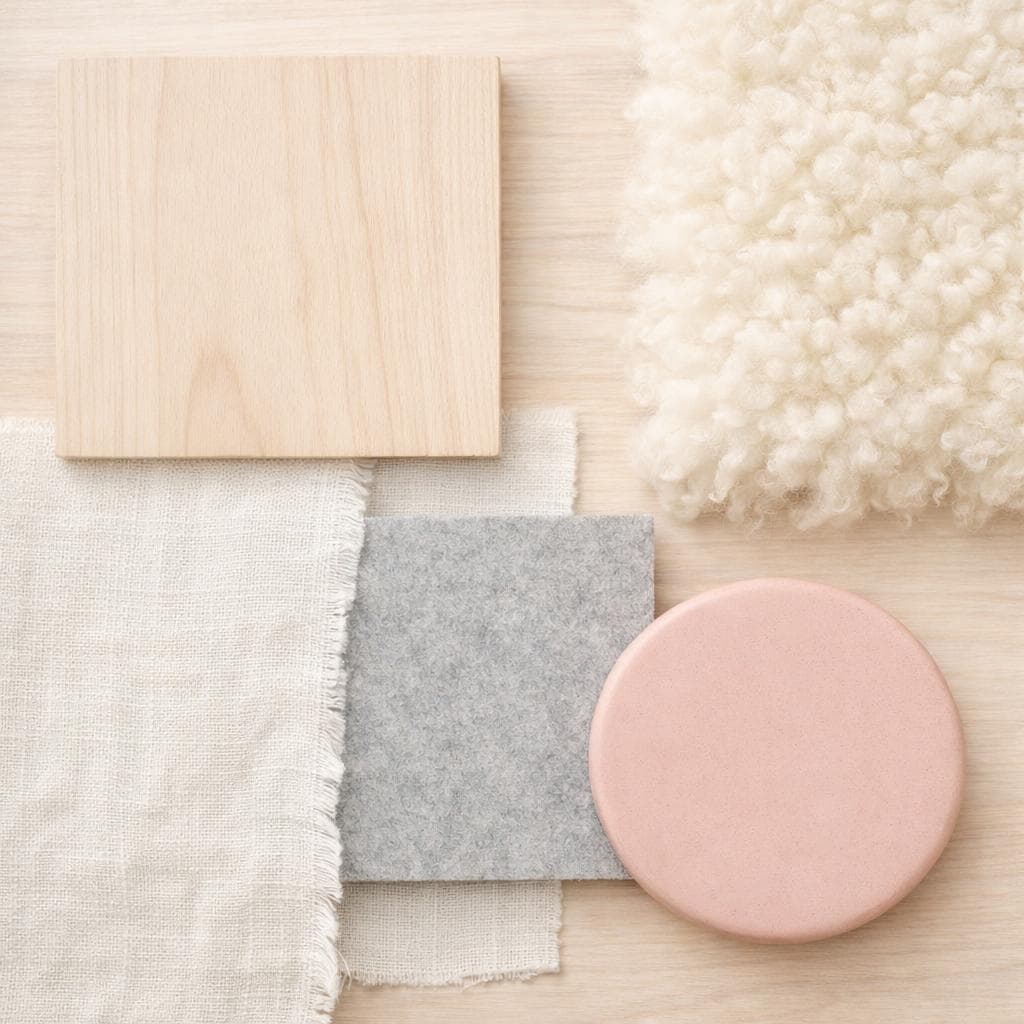
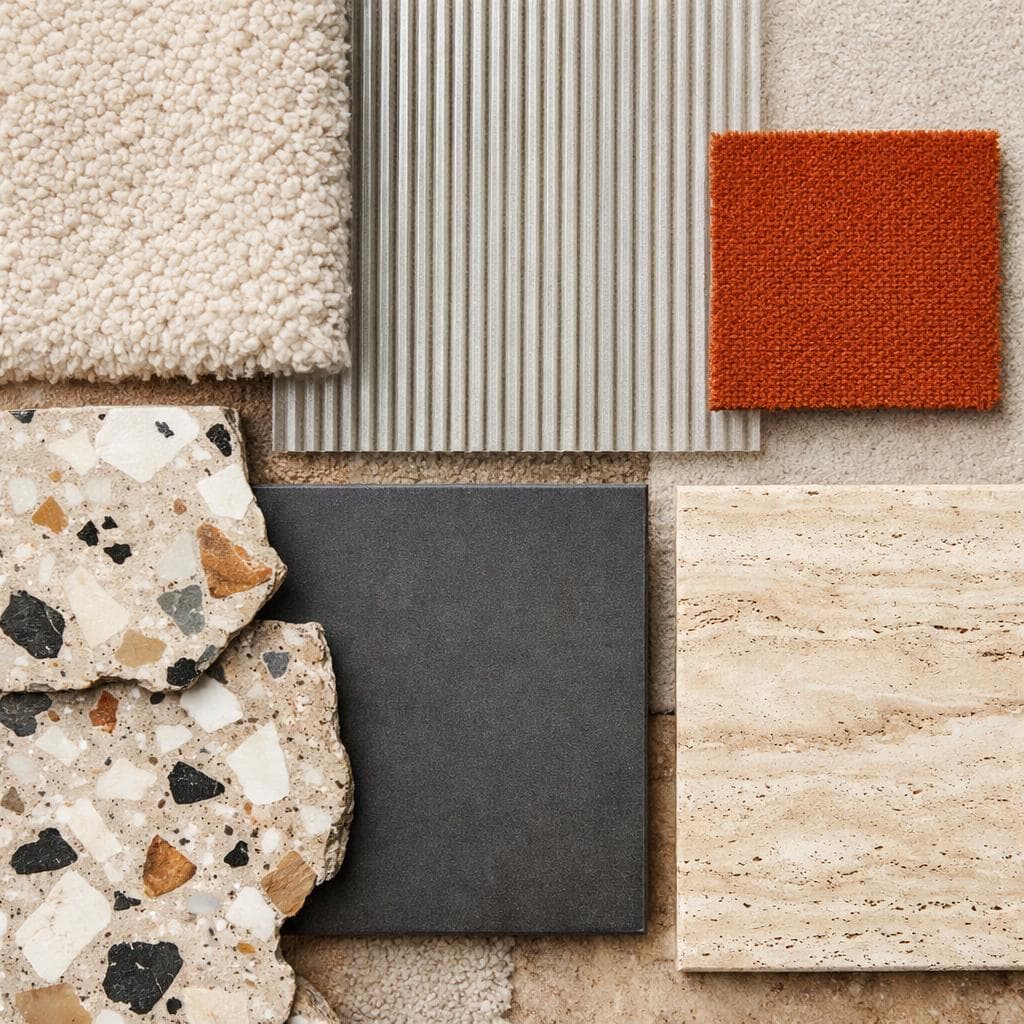
Minimalist design is the radical proposition that less can be profoundly more. Its roots stretch back to the Japanese zen tradition, through the Bauhaus school, and into the work of architects like Ludwig Mies van der Rohe and Tadao Ando, who championed the idea that stripping away the unnecessary reveals the essential. In interior design, minimalism is not about deprivation; it is about giving weight to the few things that remain so that each object, surface, and space is experienced with clarity and intention.
The minimalist palette is deliberately restrained. White, off-white, warm gray, and soft black form the spectrum, with occasional accents in muted earth tones or the natural color of materials themselves. Color, when it appears, is strategic: a single terracotta vase on a concrete shelf, or a charcoal throw on a white sofa. Walls, ceilings, and floors often share a continuous tone, creating an envelope of calm that makes the room feel larger and more cohesive than its square footage might suggest.
Materials in minimalist spaces are chosen for their inherent beauty and allowed to speak without embellishment. Polished concrete, honed natural stone, and micro-cement provide seamless floor and wall surfaces. Furniture is architecturally precise: think a single sculptural lounge chair, a floating vanity, or a platform bed with no visible frame. Storage is always concealed behind flush, handleless cabinetry so that the visual field remains uninterrupted. Every join, edge, and surface finish matters enormously.
Living minimally requires ongoing discipline. Begin by auditing each room: if an item is not functional, beautiful, or deeply meaningful, it should go. Invest in high-quality pieces that will last decades rather than accumulating disposable furniture. Keep surfaces clear and rotate decorative objects seasonally rather than displaying everything at once. The payoff is a home that functions as a mental reset, a place where visual noise is replaced by space, light, and a profound sense of order.
Frequently asked questions
Is minimalist design boring to live with?
Not when executed thoughtfully. The carefully chosen pieces that remain carry more visual weight and interest than a room full of competing objects. Texture, material quality, and light become the sources of richness. Many people find that minimalist spaces are actually more engaging because each element can be fully appreciated.
How do I keep a minimalist home functional for a family?
Invest heavily in concealed storage: built-in wardrobes, drawer organizers, and closed cabinetry. Assign a home for every item and build tidying into daily routines. Choose durable, easy-to-clean materials like leather, concrete, and performance fabrics. Minimalism with children is more about smart systems than having fewer things.
What is the best flooring for minimalist interiors?
Polished concrete is the most iconic choice, offering a seamless, neutral surface. Large-format porcelain tiles with minimal grout lines work well in apartments. Light oak or white-washed hardwood provides warmth while keeping the clean aesthetic. Whatever you choose, consistency across rooms is key to maintaining visual flow.
How do I add warmth to an all-white minimalist room?
Introduce warm materials: a light wood accent wall, a wool area rug in cream or oatmeal, or linen curtains that soften the light. Use warm-toned LED lighting rather than cool white. A single large houseplant brings life and organic color. The goal is subtle warmth through texture and material, not through adding more objects.
See Minimalist before you commit
Upload a photo and get a photorealistic AI redesign in under a minute. Start with 2 free renders.