Scandinavian room design ideas
Light woods, cozy textiles, and a warm neutral palette
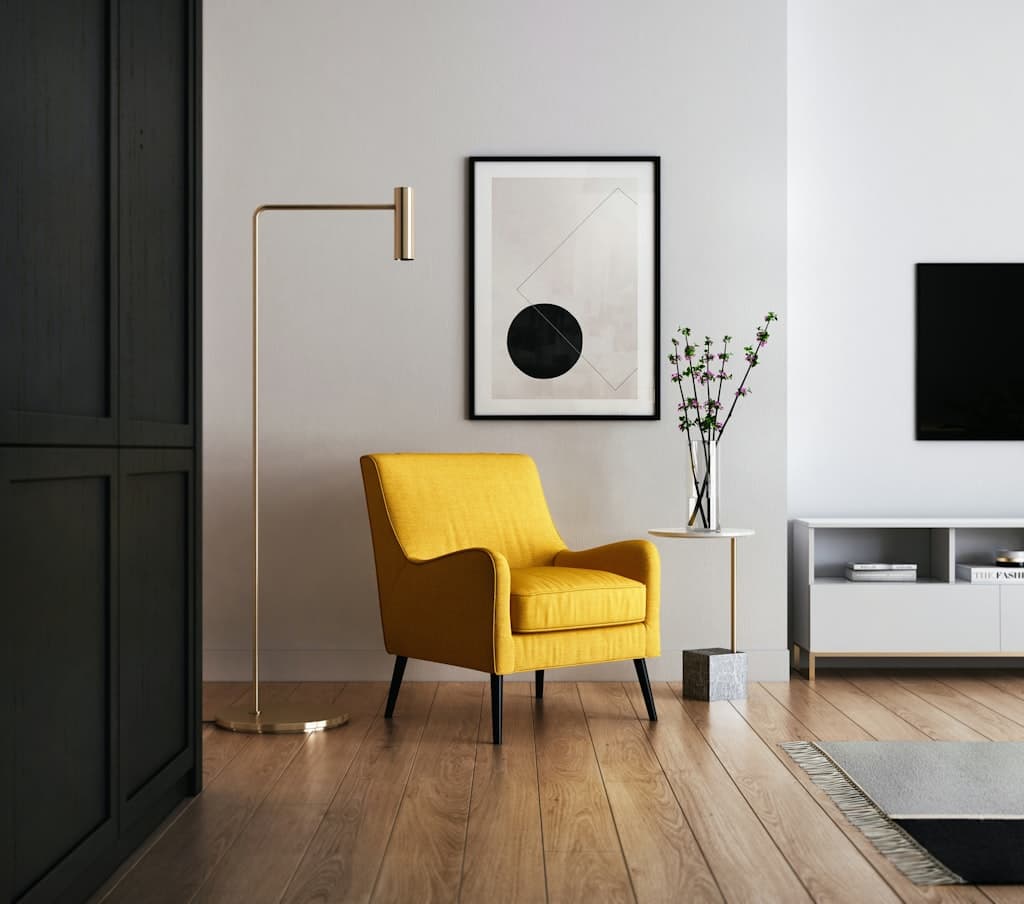 Before
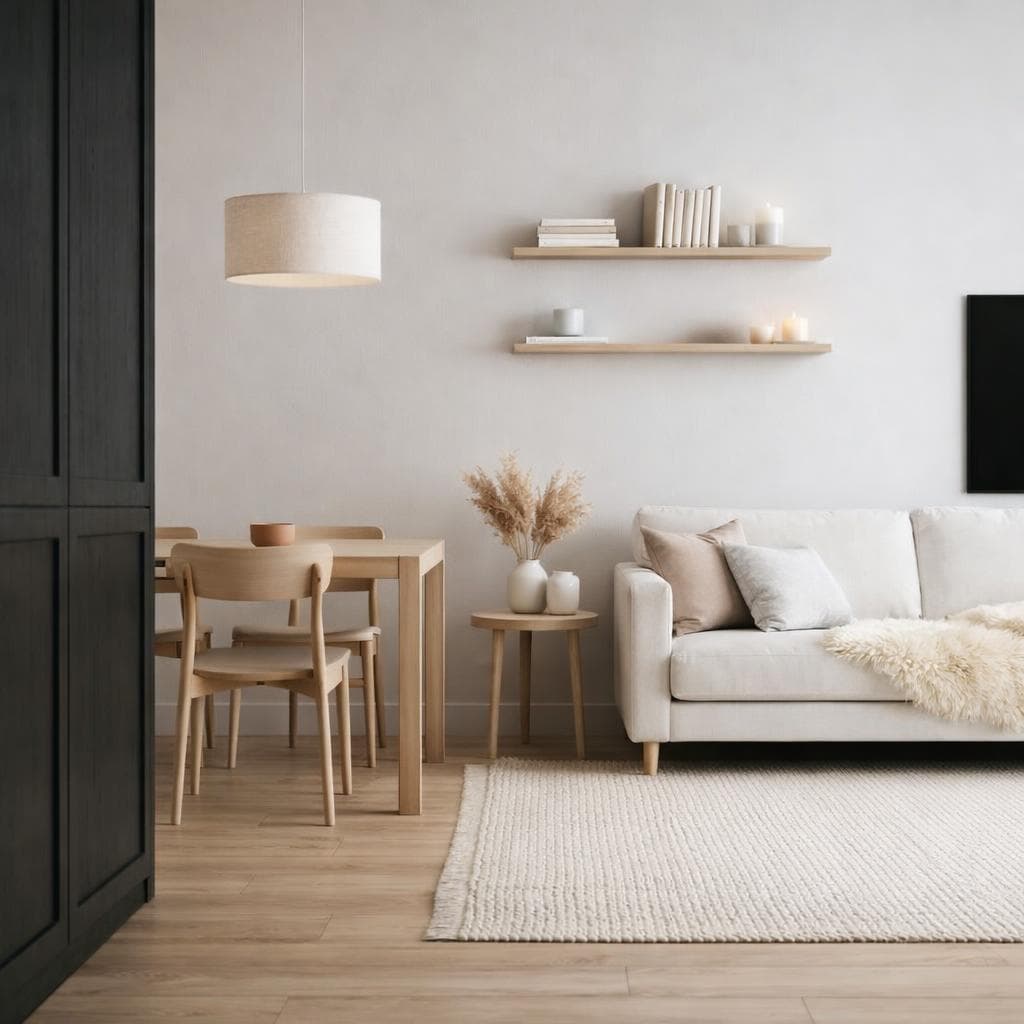 After
After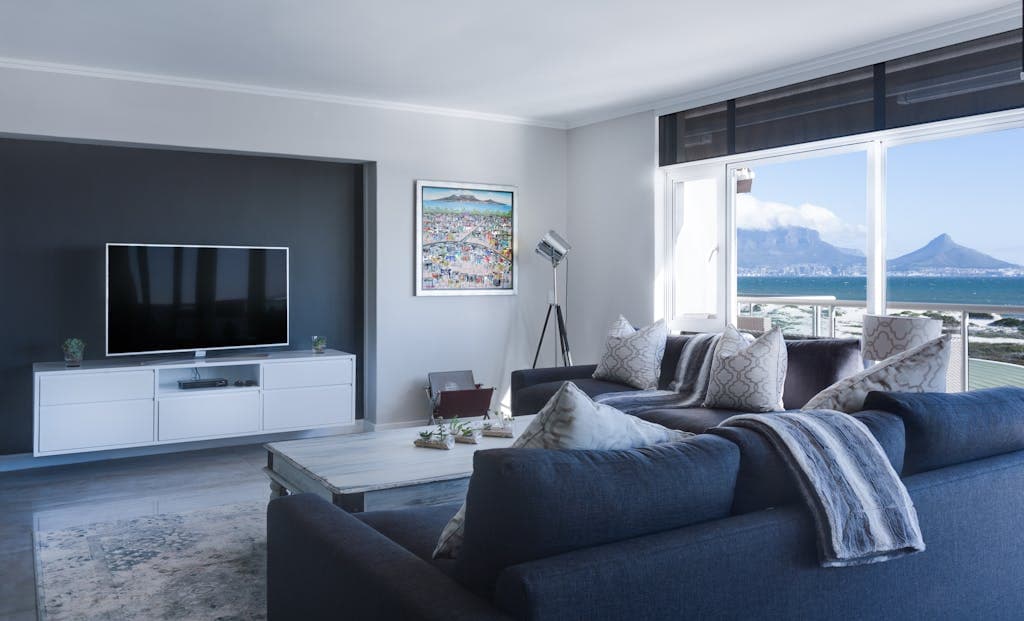 Before
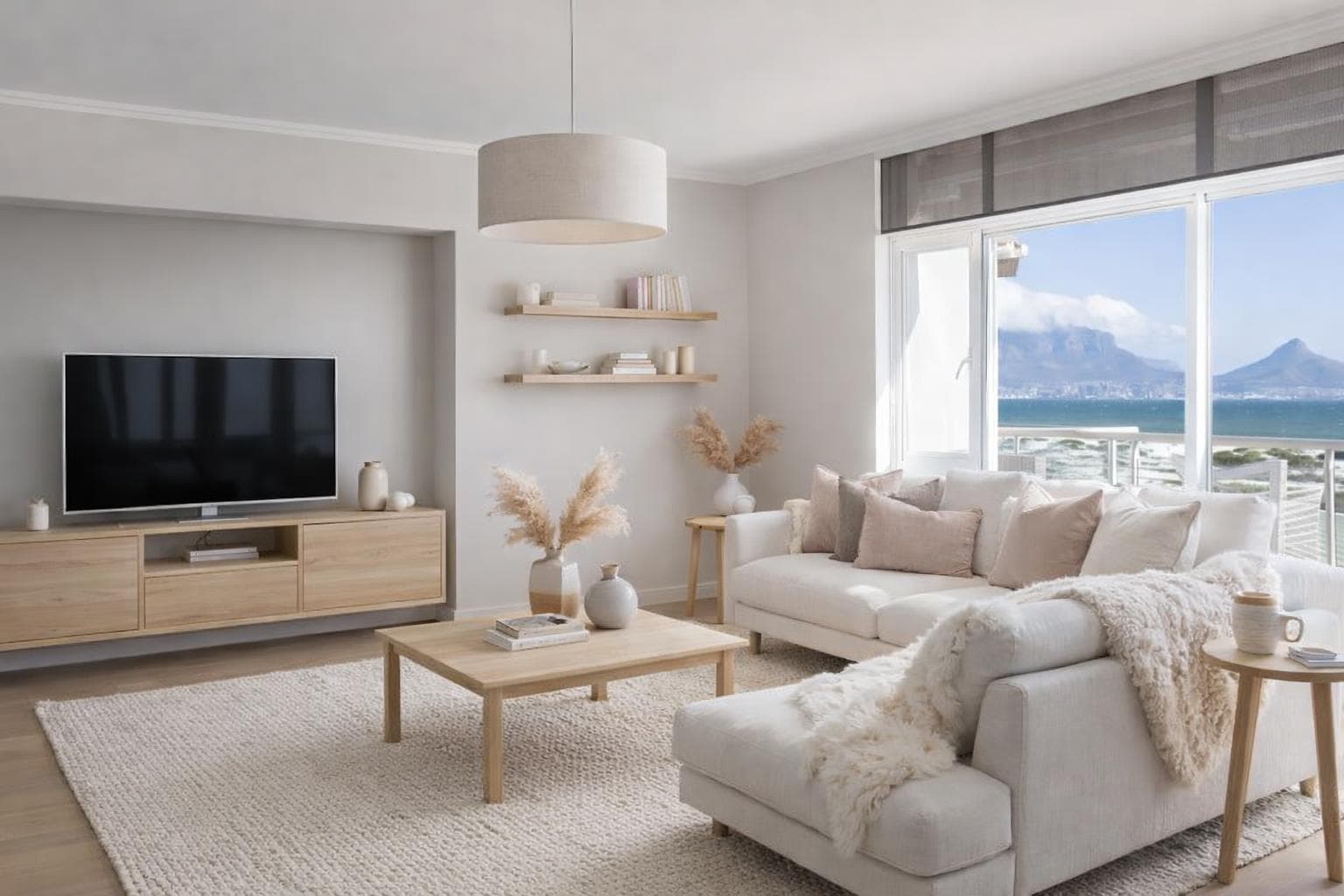 After
AfterSee Scandinavian in your room before you buy
Upload a photo and get a photorealistic redesign in under a minute
Key elements of Scandinavian
Light wood tones
Birch, ash, and pale oak furniture and flooring create warmth while maintaining the bright, airy palette the style demands.
Hygge textiles
Sheepskin throws, wool blankets, and linen cushions introduce cozy tactile layers that counterbalance the minimal aesthetic.
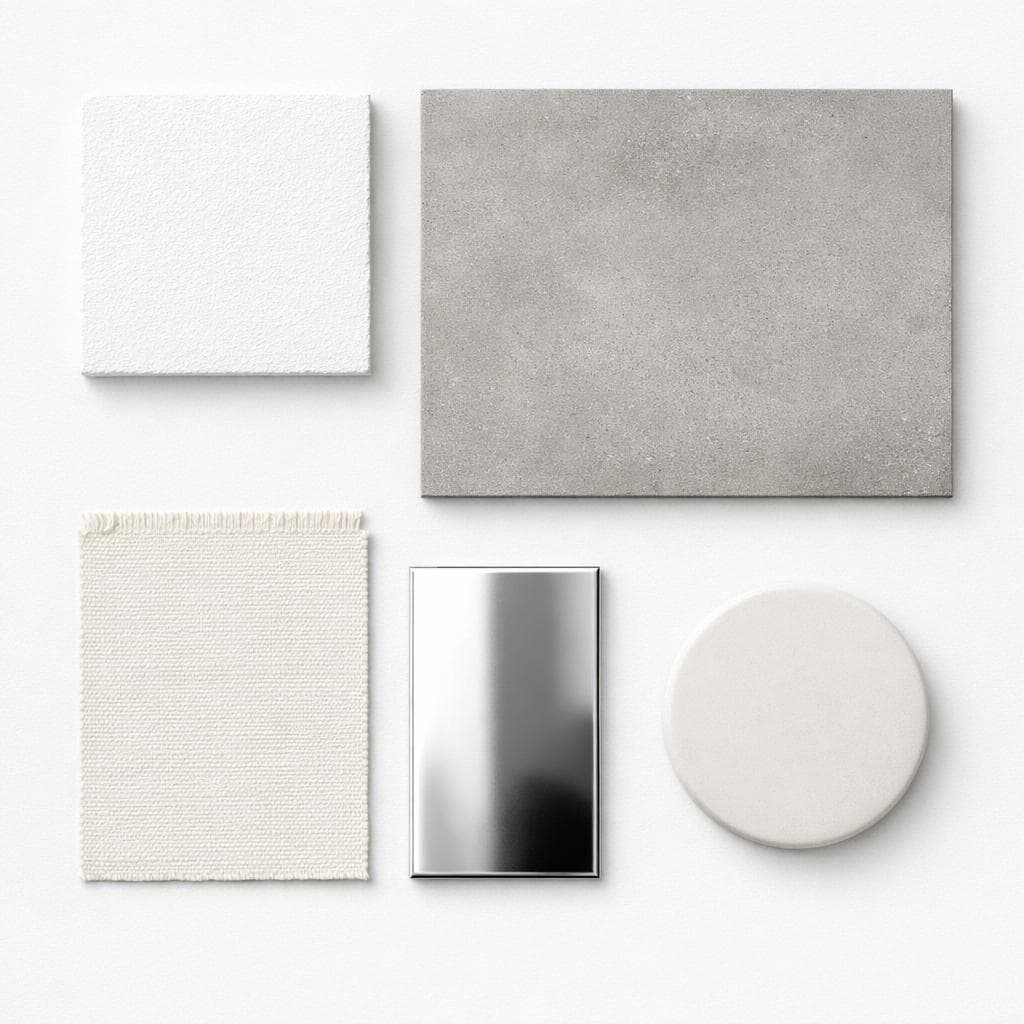
White and neutral walls
Bright, reflective wall colors maximize natural light and provide a calm, unified backdrop for furnishings.
Functional simplicity
Every piece serves a purpose. Storage is integrated and hidden, surfaces remain clear, and ornamentation is deliberate.
Organic accents
Dried grasses, ceramic vessels, and sculptural wooden objects bring nature indoors without visual clutter.
Layered lighting
Pendant lamps, table lights, and candles create pools of warm illumination that define zones and add atmosphere.
Scandinavian works particularly well in:
Styles that pair well with Scandinavian
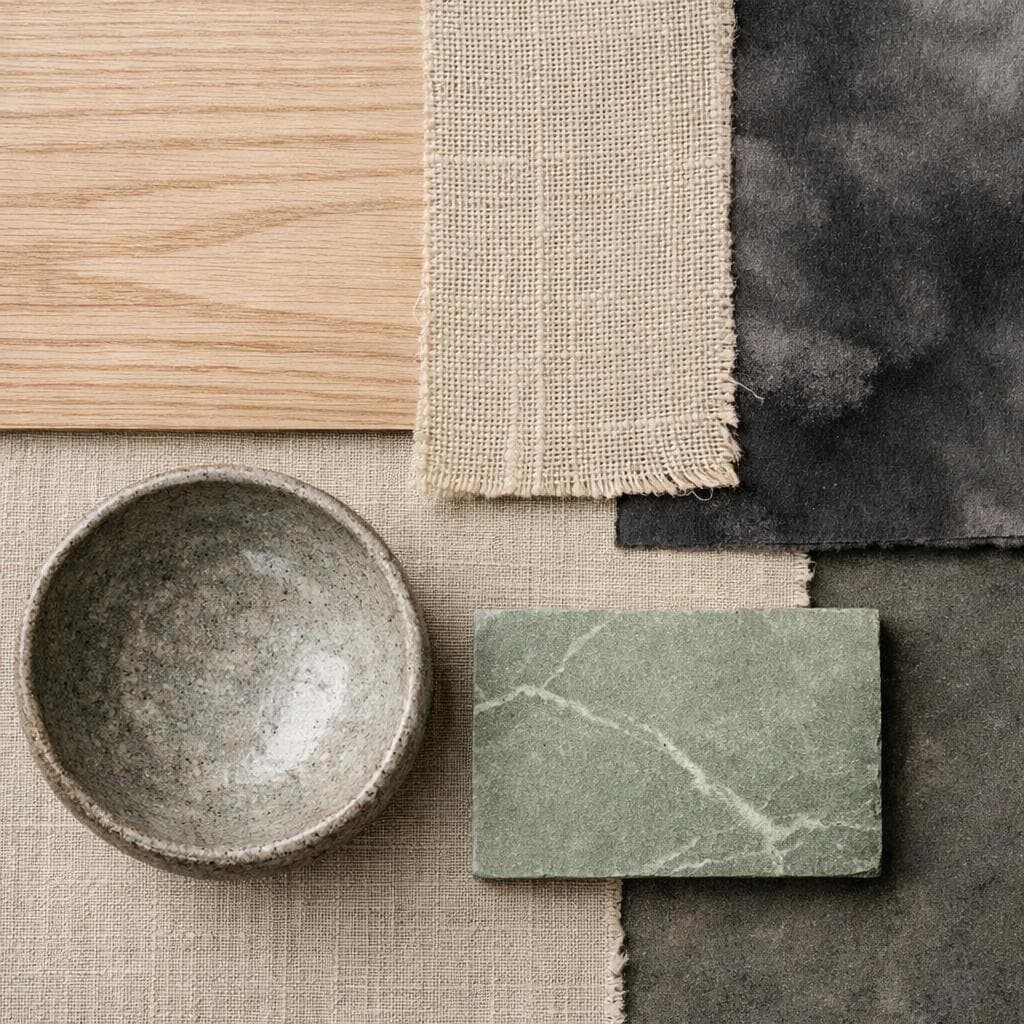

Scandinavian design grew out of a simple necessity: creating warm, inviting homes in the long, dark winters of Denmark, Sweden, Norway, and Finland. In the early twentieth century, designers like Alvar Aalto, Arne Jacobsen, and Hans Wegner distilled this ethos into furniture that was beautiful, functional, and accessible. The movement gained worldwide attention during the 1950s Lunning Prize exhibitions and has remained a dominant force in interior design, influencing everything from mass-market retailers to high-end ateliers.
At its core, Scandinavian interiors prioritize light. Walls are kept in pale tones, predominantly white, soft gray, or warm blush, to reflect every scrap of daylight. Windows are left unobstructed or dressed with sheer linen curtains. Pale blonde woods like birch, ash, and light oak form the structural backbone of furniture and flooring, creating a cohesive warmth that prevents all-white rooms from feeling clinical or cold.
The concept of hygge, a Danish word loosely meaning cozy contentment, permeates every design decision. Sheepskin throws draped over dining chairs, chunky knit blankets on sofas, and beeswax candles clustered on trays establish tactile warmth. Textiles in natural fibers like wool, linen, and cotton appear in muted tones of sage, dusty rose, and slate blue. Decorative objects are few but intentional: a single ceramic vase, a stack of well-loved books, or a sculptural wooden bowl.
Achieving the Scandinavian look starts with decluttering. Edit your belongings to keep only what you use or truly love. Invest in smart storage solutions like wall-mounted hooks, open shelving, and hidden cabinetry. Add warmth through layered lighting: a pendant over the dining table, a floor lamp beside the sofa, and candles on every surface. The result is a home that feels simple and welcoming.
Frequently asked questions
Does Scandinavian design feel cold or sterile?
When done well, not at all. The key is layering warm textures like wool throws, sheepskin rugs, and linen cushions over the neutral palette. Candles, warm-toned wood, and ambient lighting add coziness. The style is specifically designed to feel inviting during dark winters, so warmth is a core principle.
How do I add color to a Scandinavian room without breaking the style?
Introduce muted, nature-inspired tones rather than saturated hues. Dusty rose cushions, sage green ceramics, or slate blue throws work beautifully. Limit bold color to one or two accent pieces per room. Artwork is another great way to bring in color while keeping the overall palette restrained.
What is the difference between Scandinavian and minimalist design?
While both value simplicity, Scandinavian design emphasizes warmth, texture, and coziness through natural materials and layered textiles. Minimalism tends toward a more austere, monochromatic approach with fewer soft furnishings. Scandinavian rooms feel lived-in and comfortable, whereas minimalist spaces prioritize visual silence.
Can Scandinavian design work in a small apartment?
It is ideal for small spaces. The light palette makes rooms feel larger, multifunctional furniture maximizes square footage, and the emphasis on decluttering keeps things organized. Wall-mounted shelves, nesting tables, and slim-profile sofas are all hallmarks of the style that suit compact living.
See Scandinavian before you commit
Upload a photo and get a photorealistic AI redesign in under a minute. Start with 2 free renders.