Japandi room design ideas
Japanese minimalism meets Scandinavian functionality
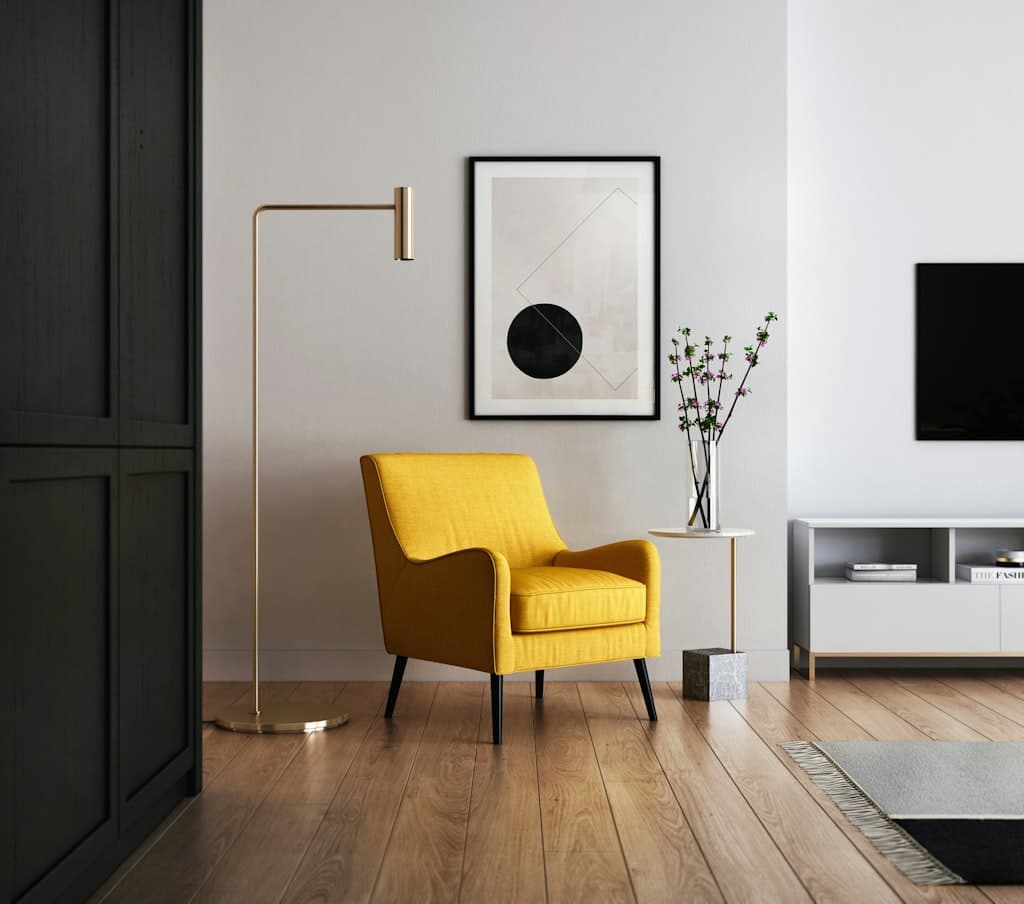 Before
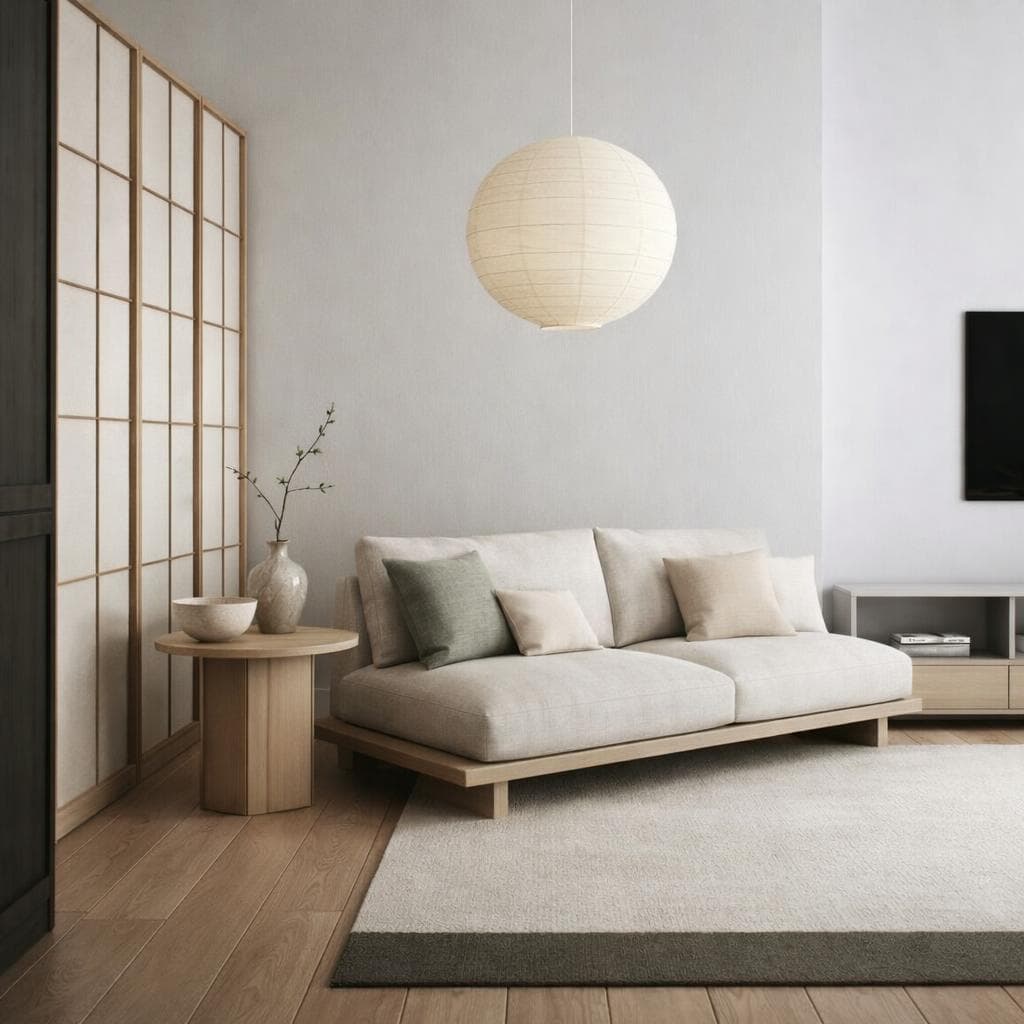 After
After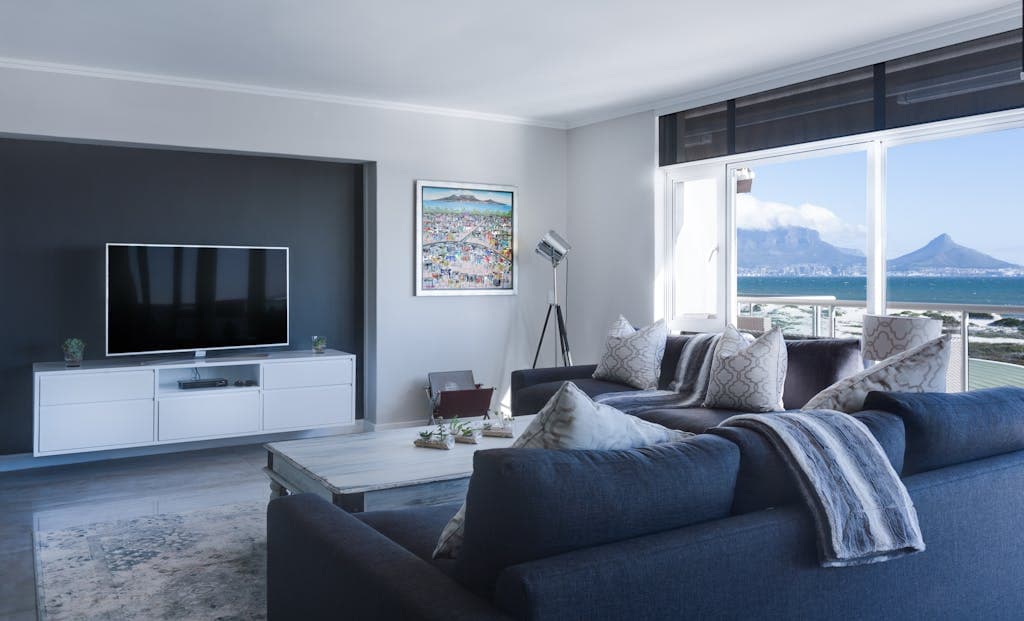 Before
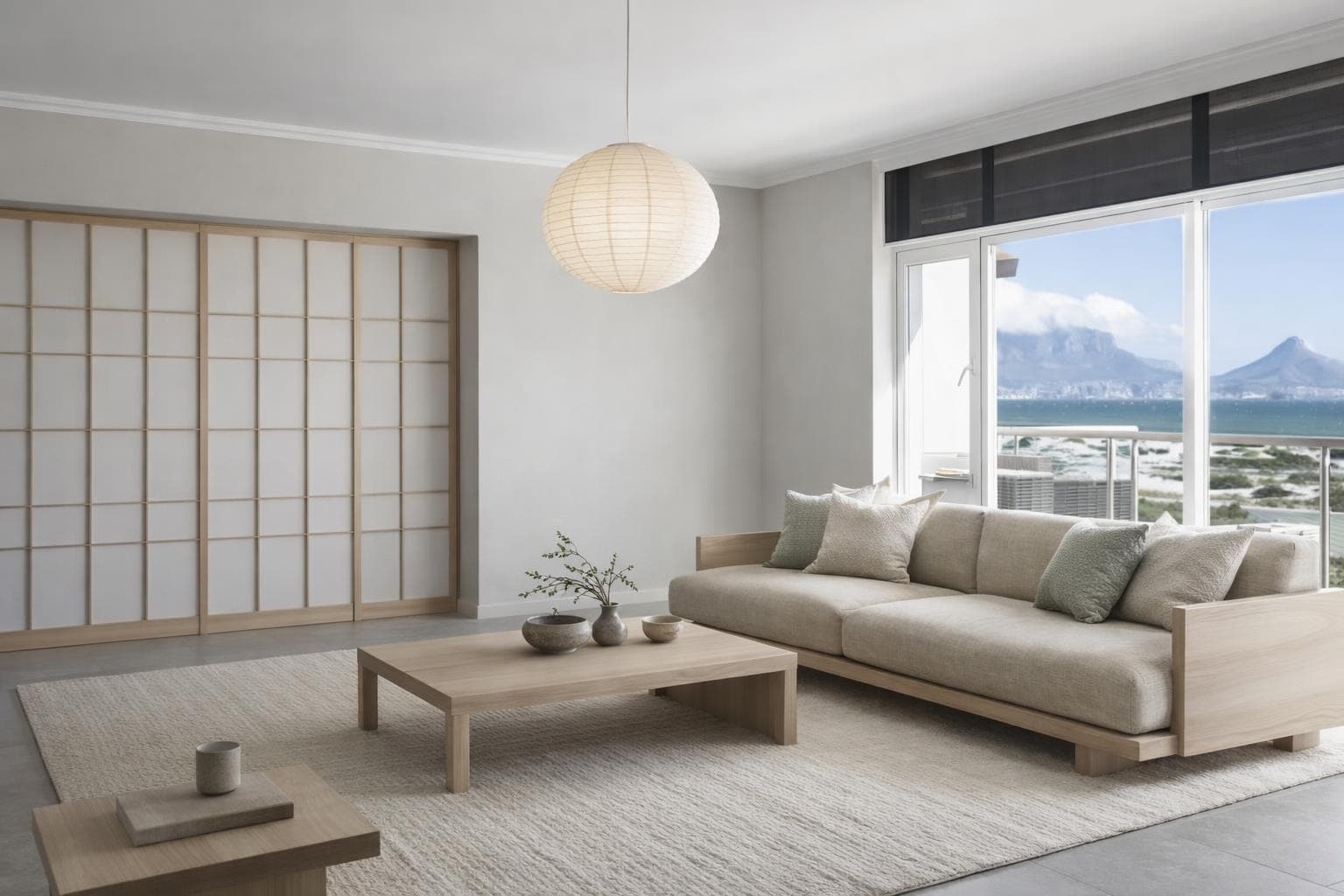 After
AfterSee Japandi in your room before you buy
Upload a photo and get a photorealistic redesign in under a minute
Key elements of Japandi
Low-profile furniture
Platform beds, floor-level seating, and low tables reflect Japanese spatial philosophy and create a grounded, calm atmosphere.
Wabi-sabi ceramics
Handmade pottery with irregular glazes, visible tool marks, and organic forms celebrates imperfection as a form of beauty.
Natural material contrast
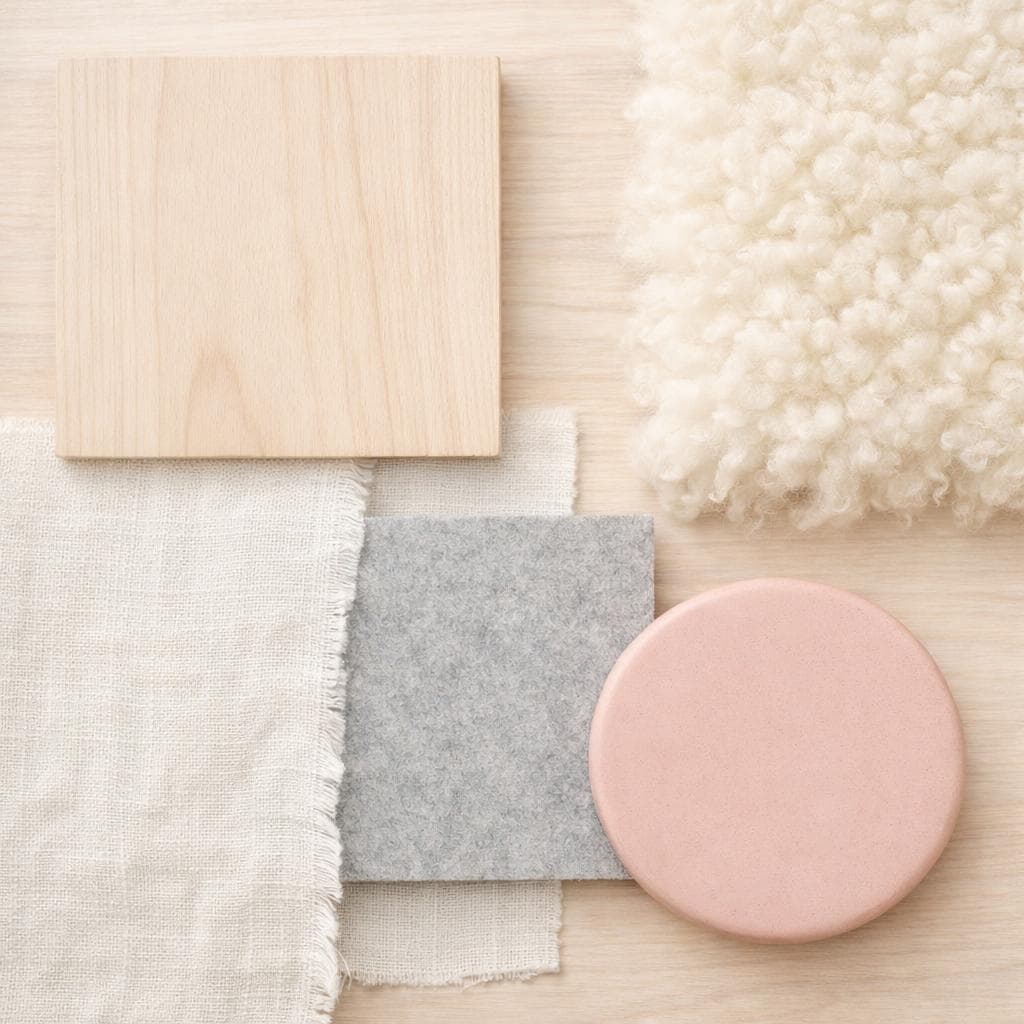
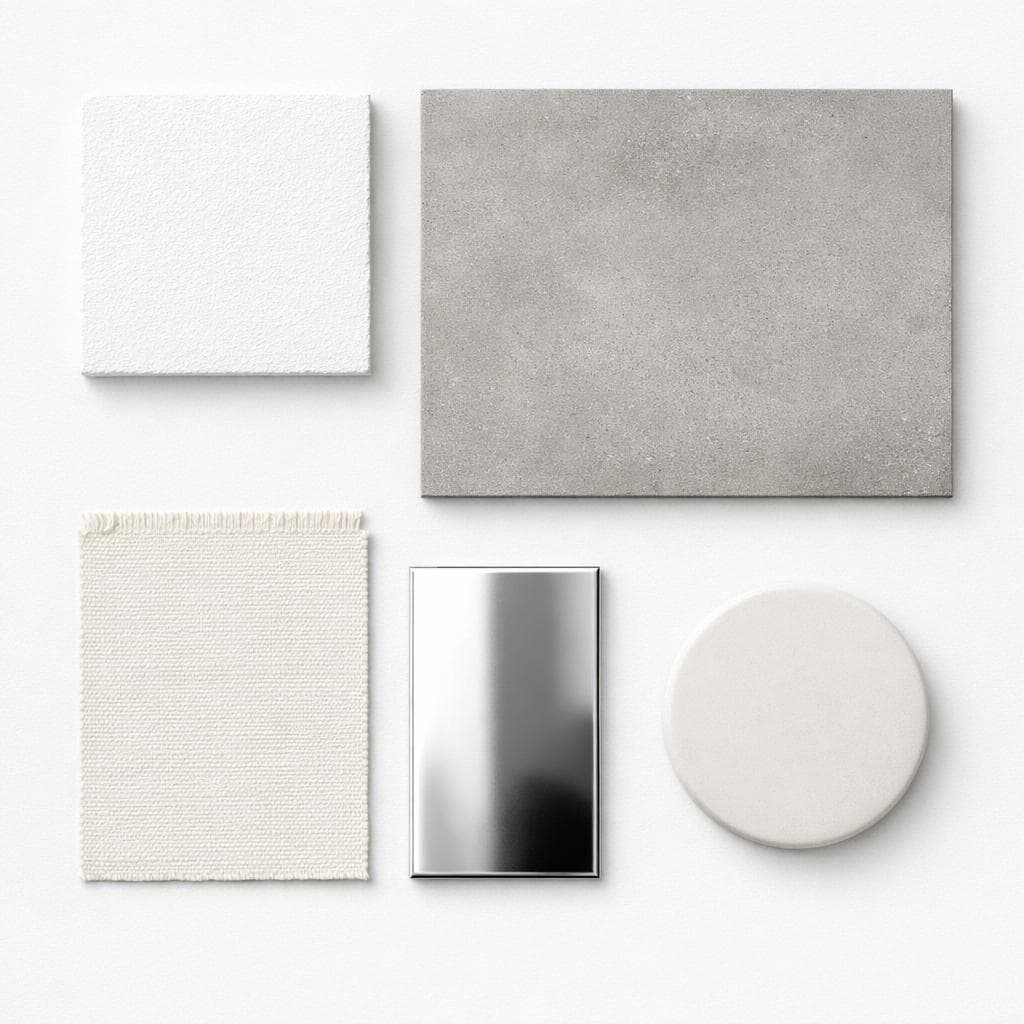
Light ash beside dark charcoal, rough stone beside smooth linen. Interest comes from material texture rather than color.
Shoji-inspired screens
Translucent paper and light wood dividers filter light softly while defining zones without solid walls.
Intentional negative space
Empty areas are deliberate design choices that allow remaining objects to breathe and the eye to rest.
Muted earth tones
Warm grays, soft sage, cream, and charcoal compose a restrained palette drawn from natural landscapes.
Japandi works particularly well in:
Styles that pair well with Japandi
Japandi is a hybrid aesthetic that merges the pared-back elegance of Japanese design with the cozy functionality of Scandinavian interiors. While the two traditions developed independently on opposite sides of the globe, they share striking common ground: a reverence for natural materials, an emphasis on craftsmanship, and a belief that simplicity leads to serenity. The fusion gained mainstream popularity in the late 2010s as designers recognized that combining wabi-sabi imperfection with hygge warmth created spaces of uncommon calm.
The Japandi palette is quiet and nature-driven. Soft whites, warm grays, muted sage, and charcoal form the base. Accents come through material contrast rather than bold color: the honey tone of light ash against a charcoal accent wall, or the rough texture of handmade pottery beside smooth linen. Walls are typically plastered in warm neutrals, and floors are light-toned wood or pale tatami-style mats that reinforce the sense of openness and continuity.
Furniture is low-profile and deliberately simple, drawing from both traditions. You might find a Danish-inspired sofa with clean wooden arms paired with a Japanese-style low platform bed. Shoji screen room dividers and rice paper pendant lamps introduce the Japanese influence, while sheepskin throws and wool cushions bring Scandinavian warmth. Every piece is chosen with intention, and negative space, the room you leave empty, is treated as an active design element.
The philosophy behind Japandi extends beyond aesthetics into daily living. It encourages mindful consumption: buy fewer, better-made objects that will last. Choose ceramics with visible handwork over factory-perfect pieces. Embrace natural imperfections in wood grain and stone. Practice seasonal decorating by rotating a single ikebana arrangement or swapping cushion covers. The result is a home that encourages presence and calm in a noisy world.
Frequently asked questions
What is the difference between Japandi and minimalism?
While both embrace simplicity, Japandi is warmer and more textural. Minimalism tends toward stark, monochrome spaces with little ornamentation. Japandi layers natural materials, handcrafted objects, and cozy textiles to create spaces that feel calm but not sparse. The wabi-sabi influence also welcomes imperfection, which pure minimalism often avoids.
How do I incorporate Japandi into an existing home?
Start by decluttering one room. Replace shiny, mass-produced accessories with a few handmade ceramic pieces. Swap heavy curtains for sheer linen or rice paper blinds. Add a low-profile element like a floor cushion or platform tray table. Use neutral textiles in natural fibers and introduce one or two potted plants for organic warmth.
What materials define the Japandi style?
Light-toned woods like ash, maple, and birch form the structural core. Linen, wool, and cotton are the primary textiles. Handmade stoneware ceramics, natural stone, and paper elements like shoji screens or lanterns add Japanese influence. Avoid high-gloss finishes and synthetic materials; matte, tactile surfaces are essential.
Can Japandi work with kids in the house?
Yes. The durable natural materials like solid wood and stoneware hold up well. Low furniture is safer for small children. The emphasis on clutter-free surfaces means less to knock over. Choose washable linen slipcovers and keep fragile ceramics on high shelves. The calming palette may even support better sleep and focus.
See Japandi before you commit
Upload a photo and get a photorealistic AI redesign in under a minute. Start with 2 free renders.