Mediterranean Courtyard room design ideas
Terracotta, wrought iron, olive trees, and mosaic tile warmth
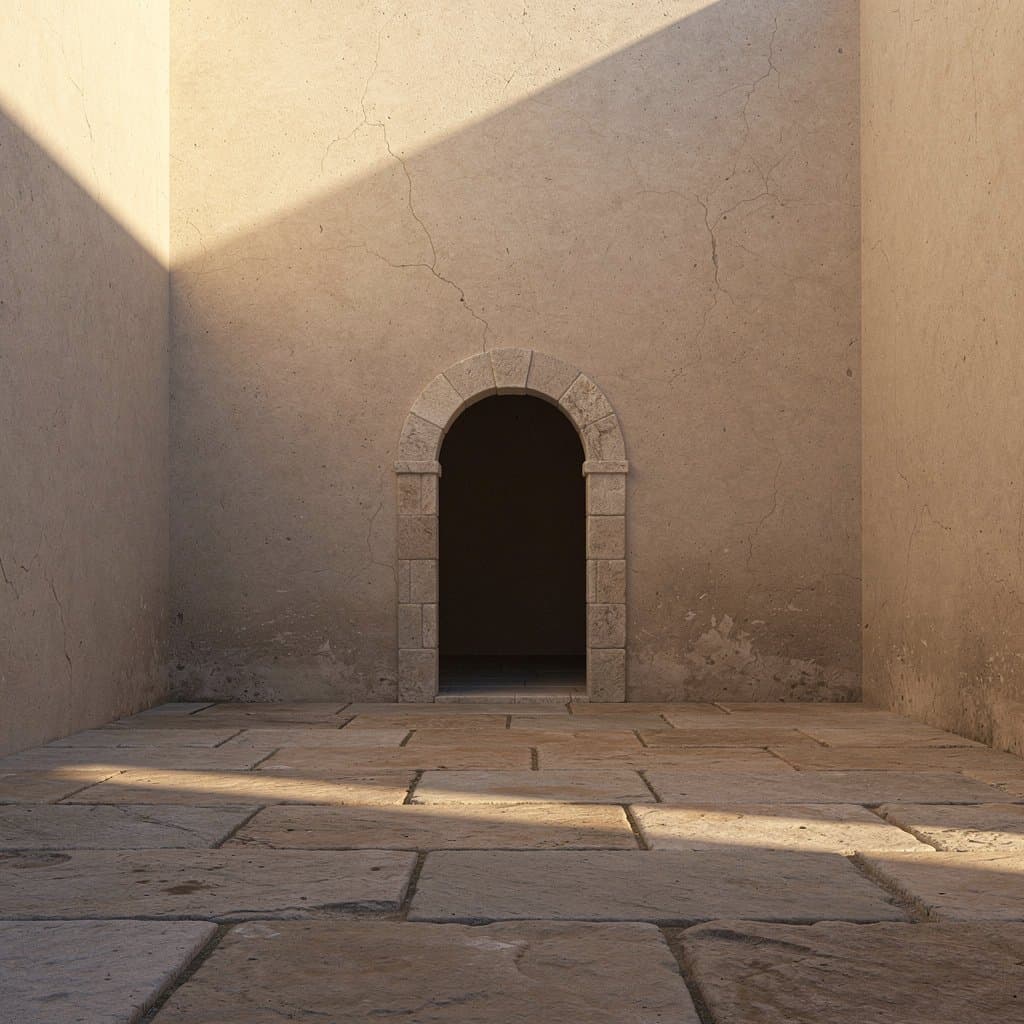 Before
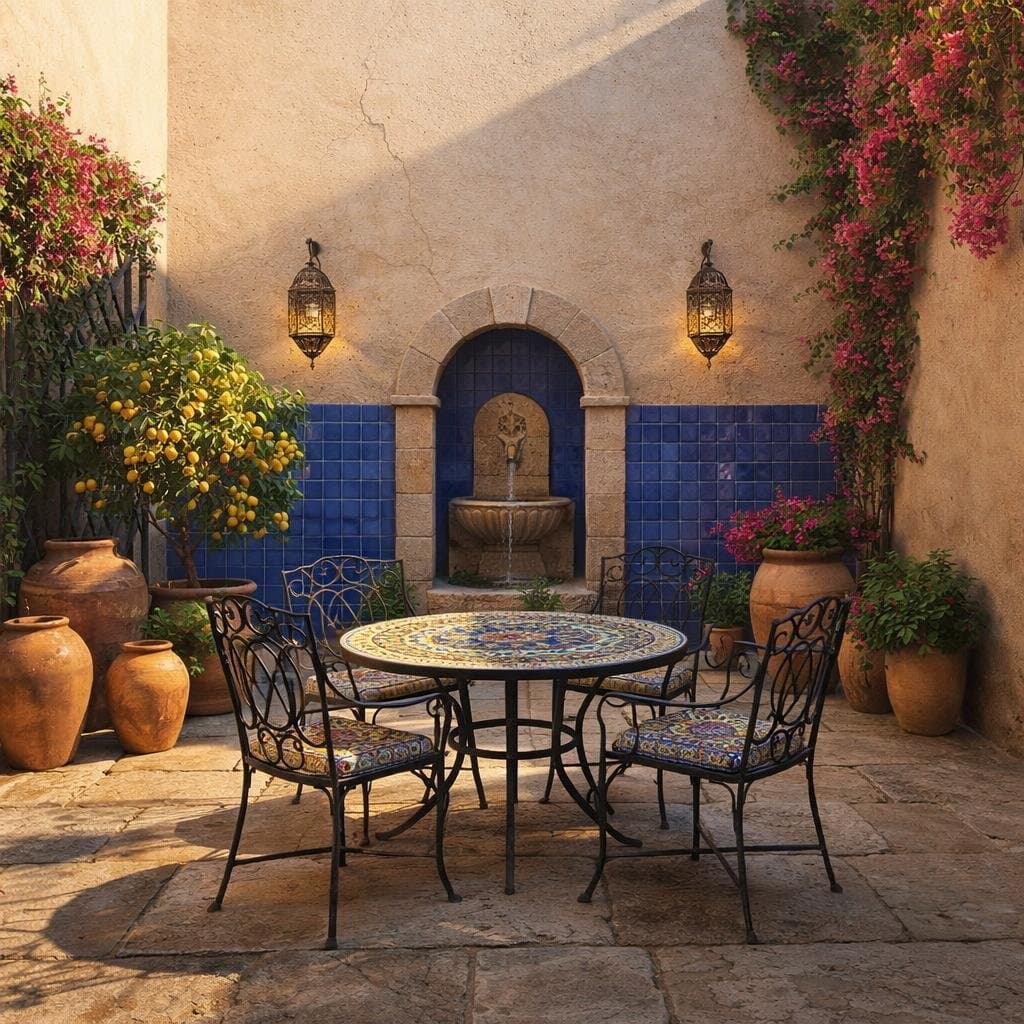 After
After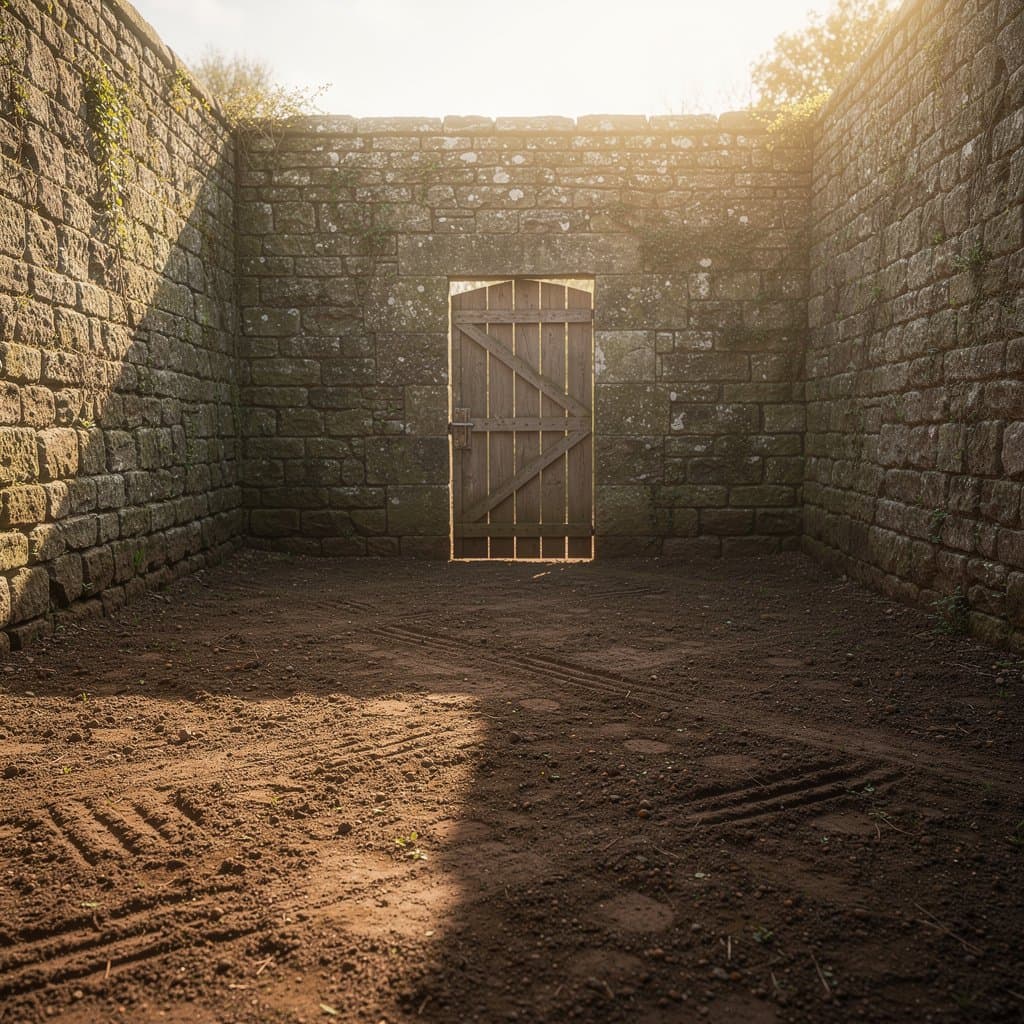 Before
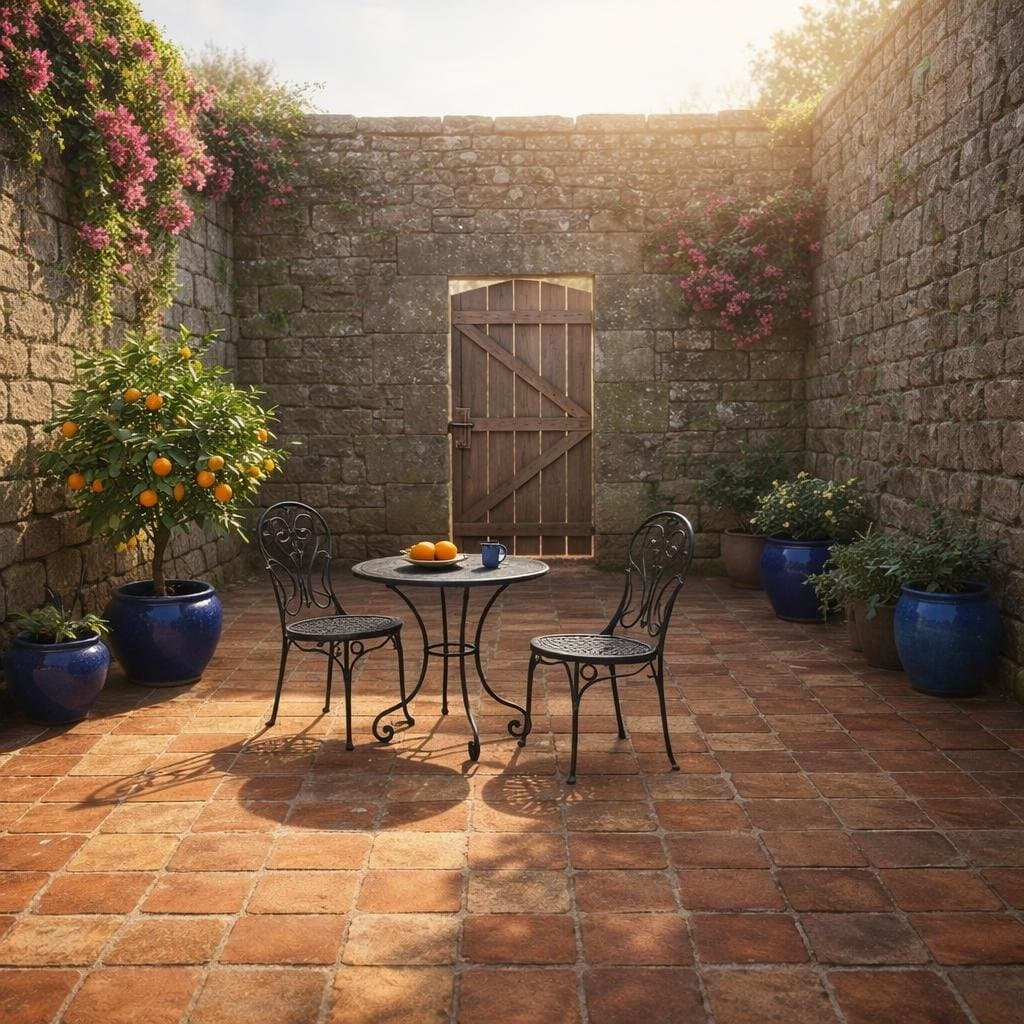 After
AfterSee Mediterranean Courtyard in your room before you buy
Upload a photo and get a photorealistic redesign in under a minute
Key elements of Mediterranean Courtyard
Ceramic tilework
Hand-painted tiles in cobalt, yellow, and white adorn fountains, steps, and tabletops, bringing artisan color rooted in centuries of craft.
Terracotta pots and planters
Unglazed and Talavera-style pots in varied sizes hold cascading flowers and citrus trees, softening walls and corners.
Central water feature
A tiled fountain or wall-mounted spout provides the cooling sound of water that defines the traditional Mediterranean courtyard.
Wrought-iron details
Gates, lanterns, bistro furniture, and balcony railings add fine ornamental lines and cast decorative shadows throughout the day.
Warm plaster walls
Ochre, sienna, and cream-rendered walls absorb and reflect warm light, creating an inviting sun-baked backdrop.
Citrus and fragrant plants
Lemon trees, jasmine, lavender, and bougainvillea bring color, scent, and a distinctly Mediterranean character year-round.
Mediterranean Courtyard works particularly well in:
Styles that pair well with Mediterranean Courtyard
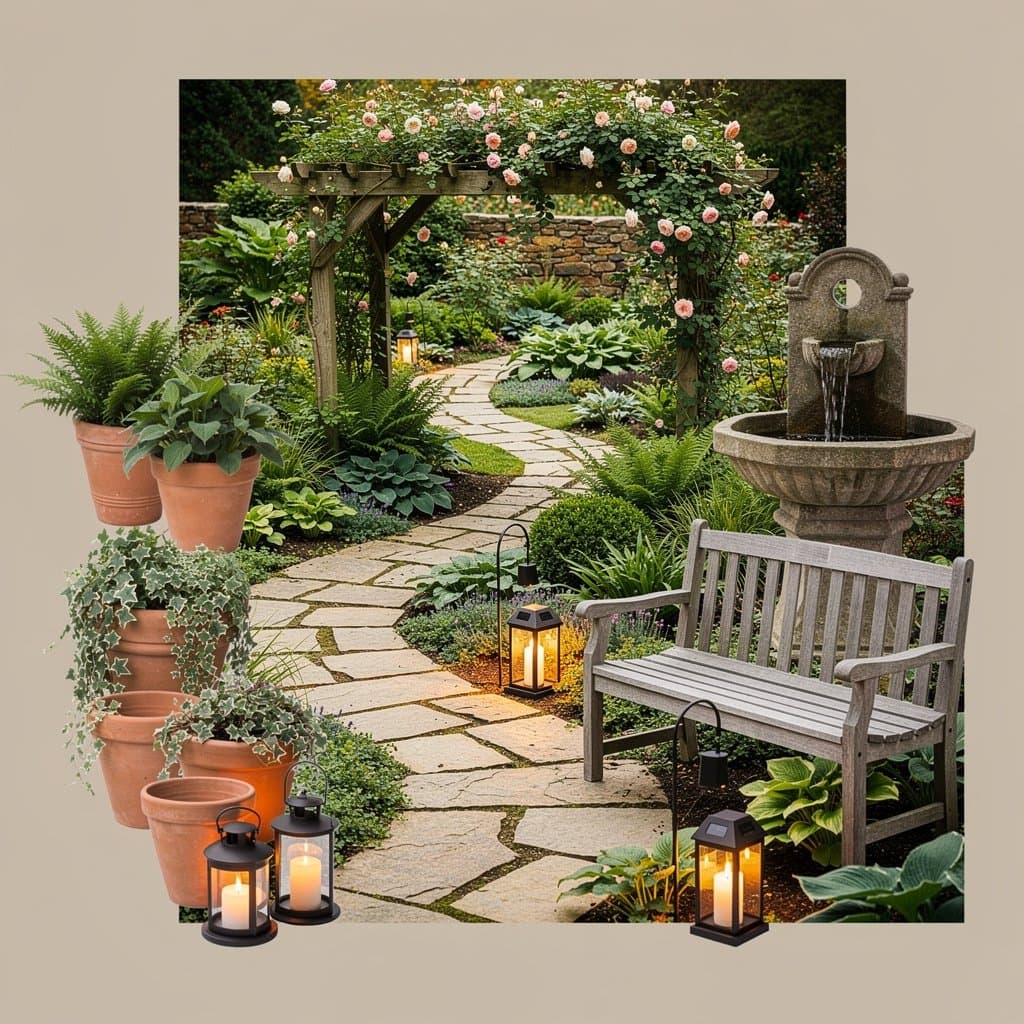


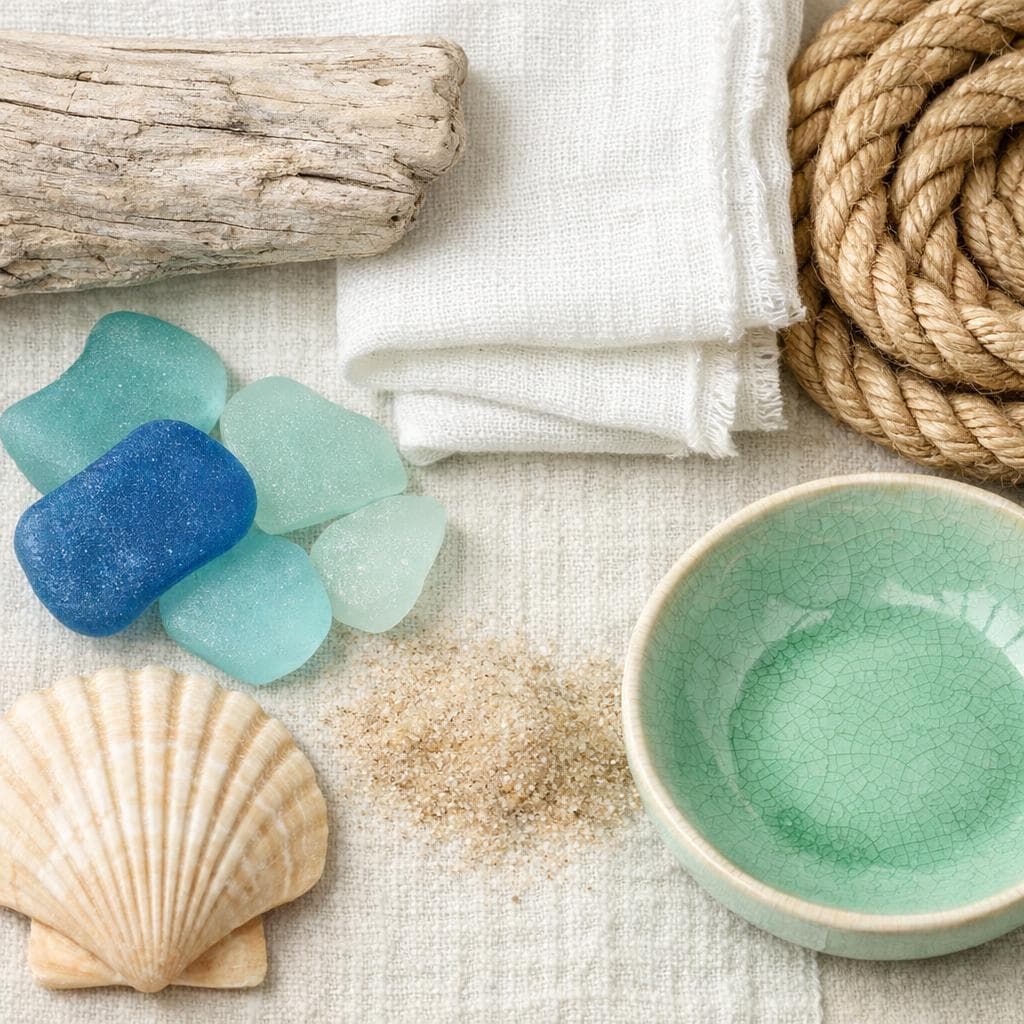
The Mediterranean courtyard is one of the oldest architectural traditions in residential design, rooted in the Roman atrium house and refined over centuries across Spain, Italy, Greece, and North Africa. These enclosed outdoor rooms were born of climate: thick-walled buildings opened inward around a central court that provided shade, ventilation, and a private paradise shielded from the street. The courtyard became the heart of family life, a place for cooking, conversation, and quiet contemplation surrounded by the sound of falling water and the scent of citrus.
Signature materials tell the story of the region. Hand-painted ceramic tiles in cobalt blue and sun-bleached yellow line fountains, risers, and tabletops. Terracotta pots, some rough and unglazed, others finished in jewel-toned Talavera patterns, hold cascading bougainvillea and trailing geraniums. Walls are rendered in warm plaster tones of ochre, sienna, and burnt cream. Wrought-iron balconies, lanterns, and gate details add fine-grained ornament that casts intricate shadows as the sun moves overhead.
Planting in a Mediterranean courtyard is both practical and romantic. Citrus trees, olive trees, and grapevines provide fruit, shade, and fragrance. Lavender and rosemary edge pathways, releasing scent when brushed. Jasmine climbs walls and pergola posts, perfuming evening gatherings. The plant palette is drought-tolerant by nature, adapted over millennia to hot summers and mild, wet winters, making it inherently water-wise and low-maintenance once established.
Recreating the Mediterranean courtyard spirit starts with warm-toned walls or fencing and a central water element, even a simple wall-mounted lion-head fountain suffices. Lay terracotta or encaustic cement tiles for the floor, add a wrought-iron bistro set under a canvas shade sail, and cluster terracotta pots of varying heights around the perimeter. Hang iron lanterns for candlelit evenings and drape a grapevine or bougainvillea over any available structure. The goal is layered warmth that invites lingering.
Frequently asked questions
Can I achieve a Mediterranean courtyard look in a non-Mediterranean climate?
Yes, with some adaptation. Choose cold-hardy alternatives like dwarf kumquat, hardy jasmine, or climbing hydrangea in cooler zones. Use encaustic cement tiles that withstand freeze-thaw cycles, and swap bougainvillea for clematis. The warm color palette of terracotta and ochre works in any climate.
What type of fountain works best for a small courtyard?
A wall-mounted fountain is ideal for tight spaces because it requires no floor area. Recirculating pumps are quiet and low-maintenance. Tiered pedestal fountains work well as a central focal point if you have at least a six-foot-diameter open area. Solar-powered pumps eliminate the need for electrical wiring.
How do I keep terracotta pots from cracking in winter?
Use frost-proof terracotta or fiberglass replicas that look identical but withstand freezing temperatures. If using traditional clay, bring pots indoors or to a sheltered area before the first hard frost. Elevating pots on feet improves drainage and reduces frost damage at the base.
What flooring is authentic for a Mediterranean courtyard?
Terracotta pavers are the most traditional choice, developing a beautiful patina over time. Encaustic cement tiles in geometric patterns are authentic to Moroccan and Spanish courtyards. Natural stone like travertine or limestone also works well. Seal all porous materials to protect against staining and moisture.
See Mediterranean Courtyard before you commit
Upload a photo and get a photorealistic AI redesign in under a minute. Start with 2 free renders.