Cottagecore room design ideas
Romantic countryside charm with florals, vintage finds, and soft pastels
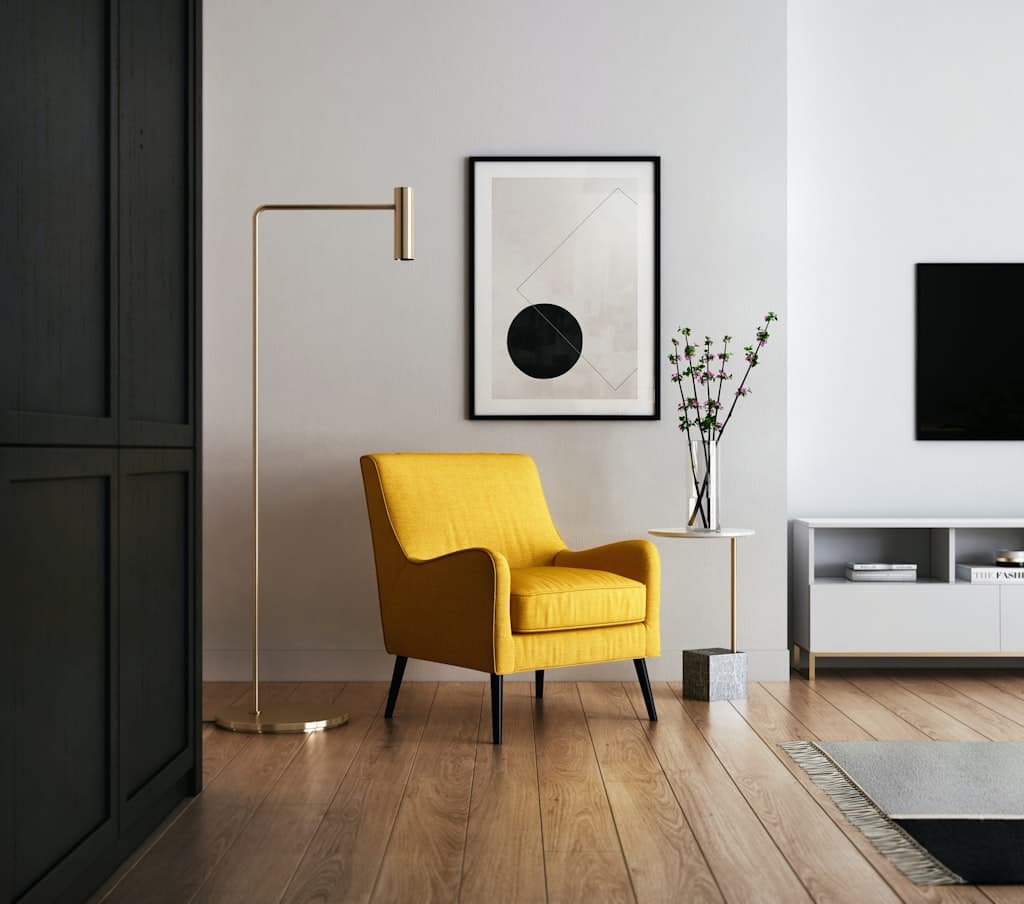 Before
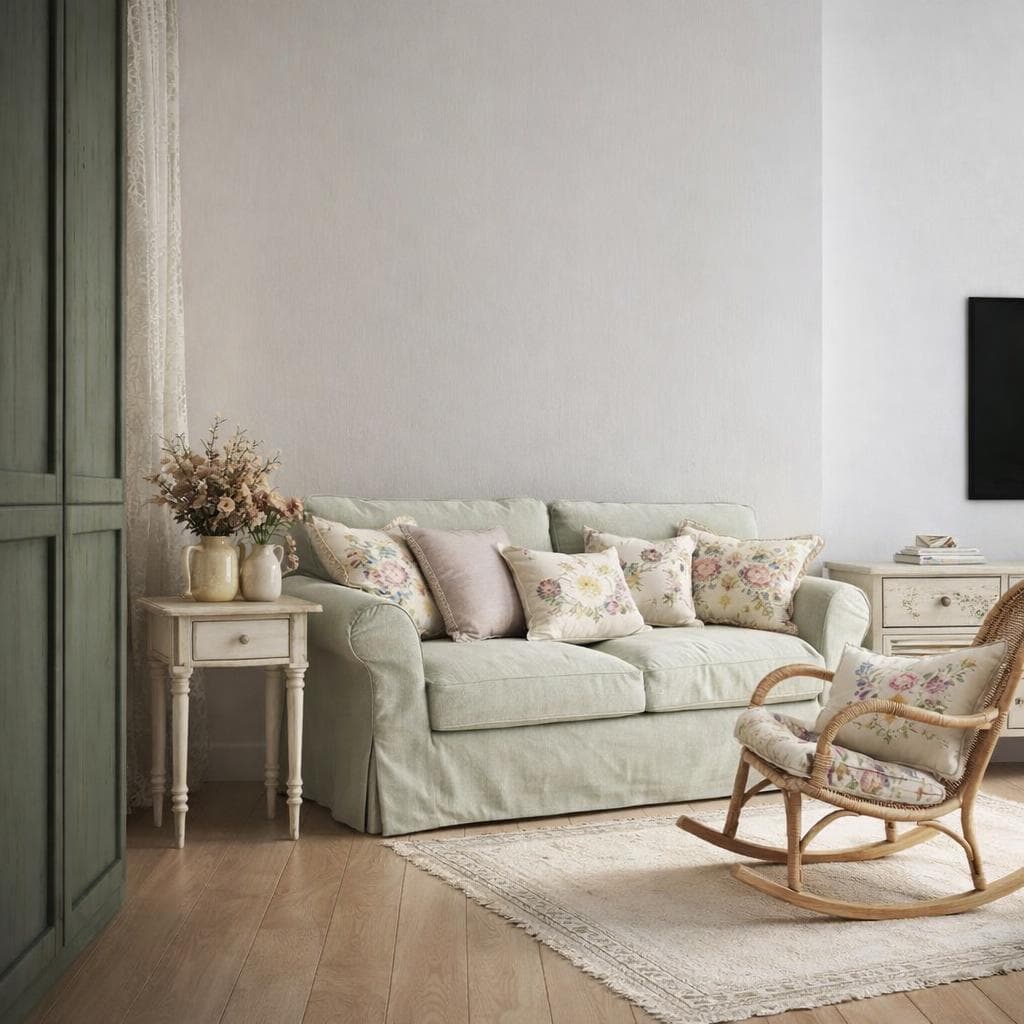 After
After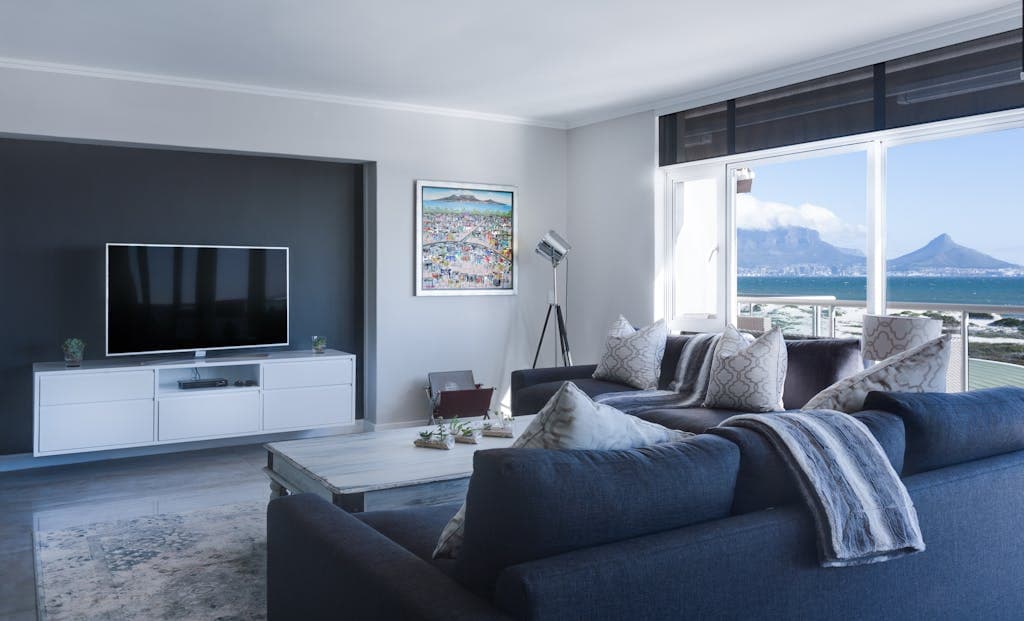 Before
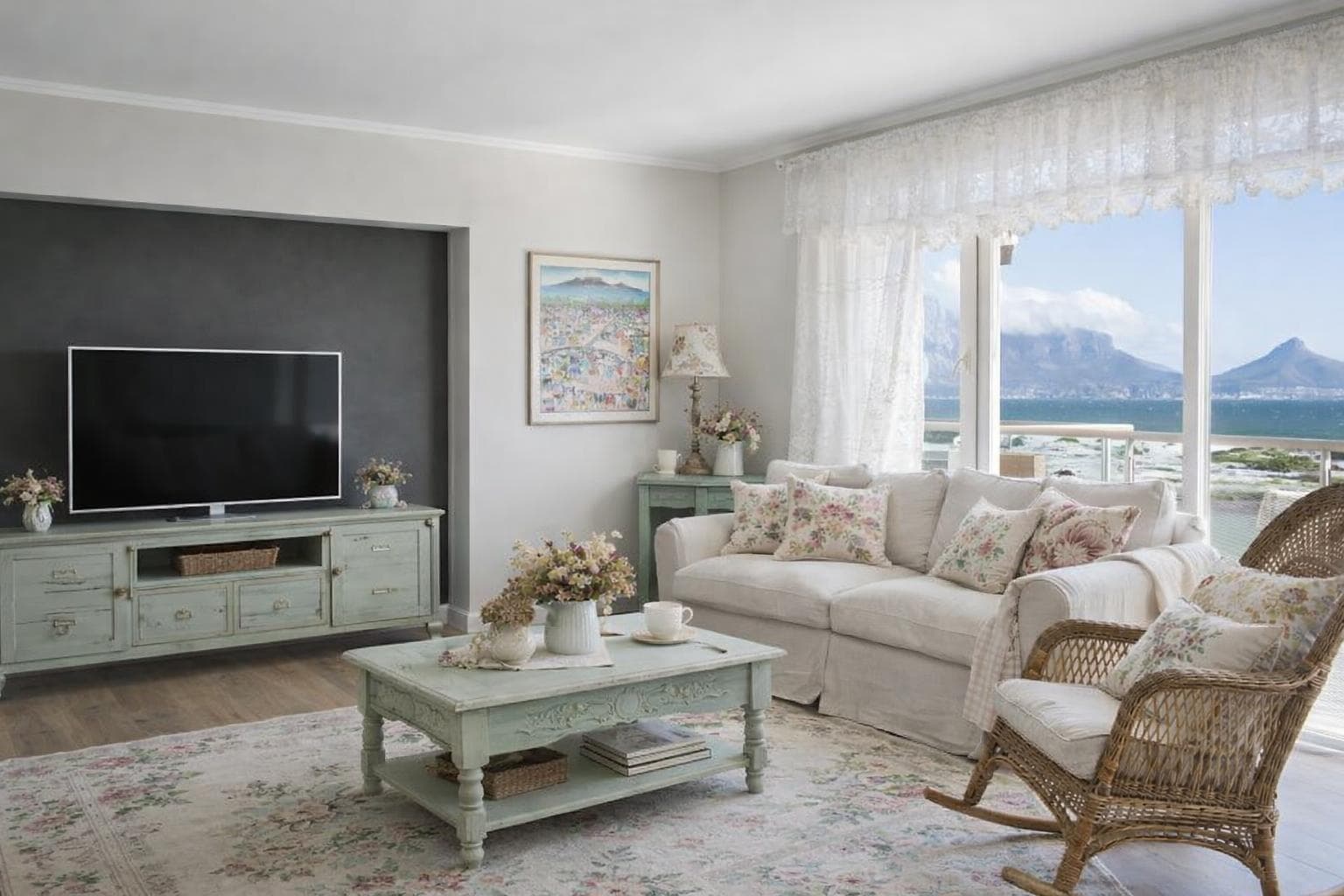 After
AfterSee Cottagecore in your room before you buy
Upload a photo and get a photorealistic redesign in under a minute
Key elements of Cottagecore
Floral textiles
Printed and embroidered florals on cushions, curtains, and upholstery bring garden-inspired softness to every room.
Vintage and mismatched pieces
Hand-me-down furniture, painted dressers, and chairs that do not match create a collected-over-time authenticity.
Natural materials
Wicker baskets, linen slipcovers, wooden cutting boards, and ceramic pitchers ground the space in honest, tactile materials.
Soft pastel palette
Sage green, dusty rose, cream, lavender, and buttercup yellow evoke wildflower meadows and country gardens.
Dried flowers and botanicals
Dried lavender bundles, pressed flower frames, and herb cuttings in jars bring nature indoors year-round.
Open display shelving
Vintage china, jars of preserves, cookbooks, and ceramic pieces arranged on open shelves create a warm, lived-in kitchen feel.
Cottagecore works particularly well in:
Styles that pair well with Cottagecore
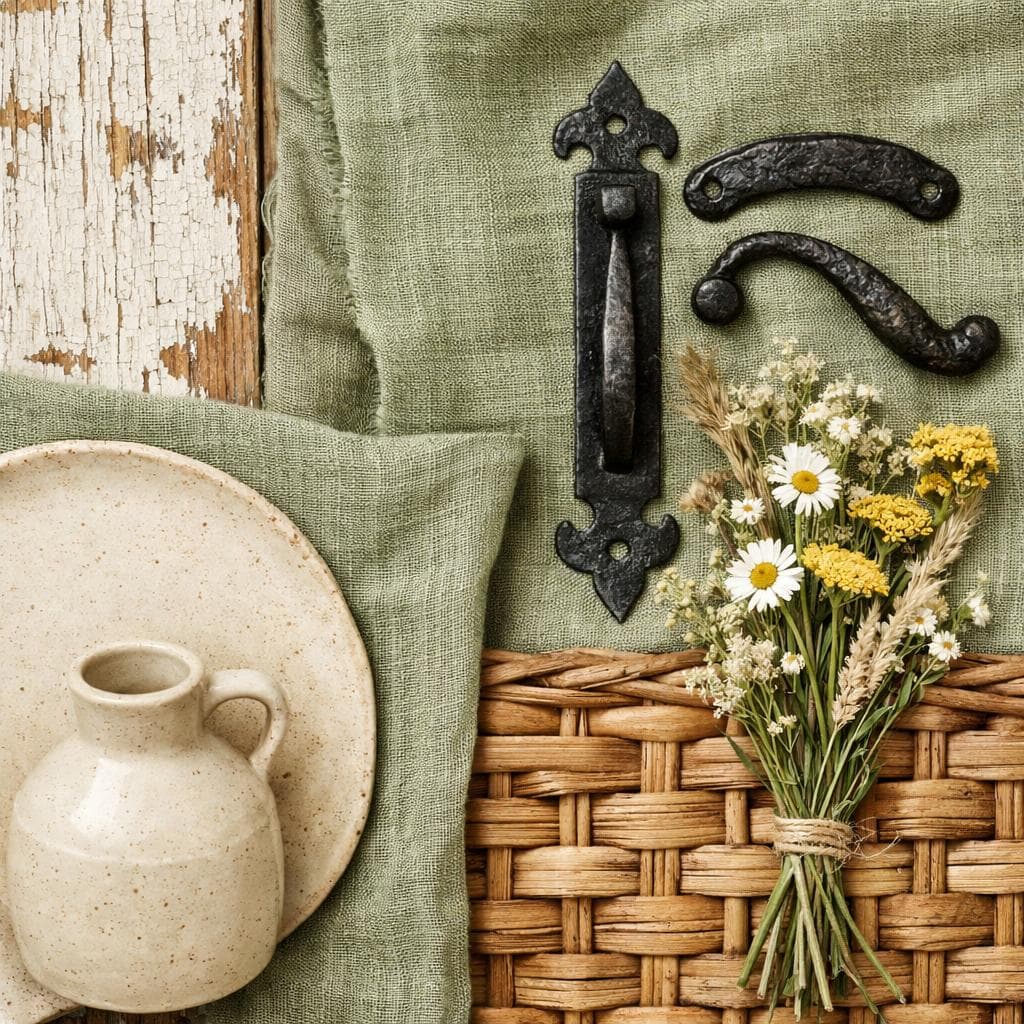
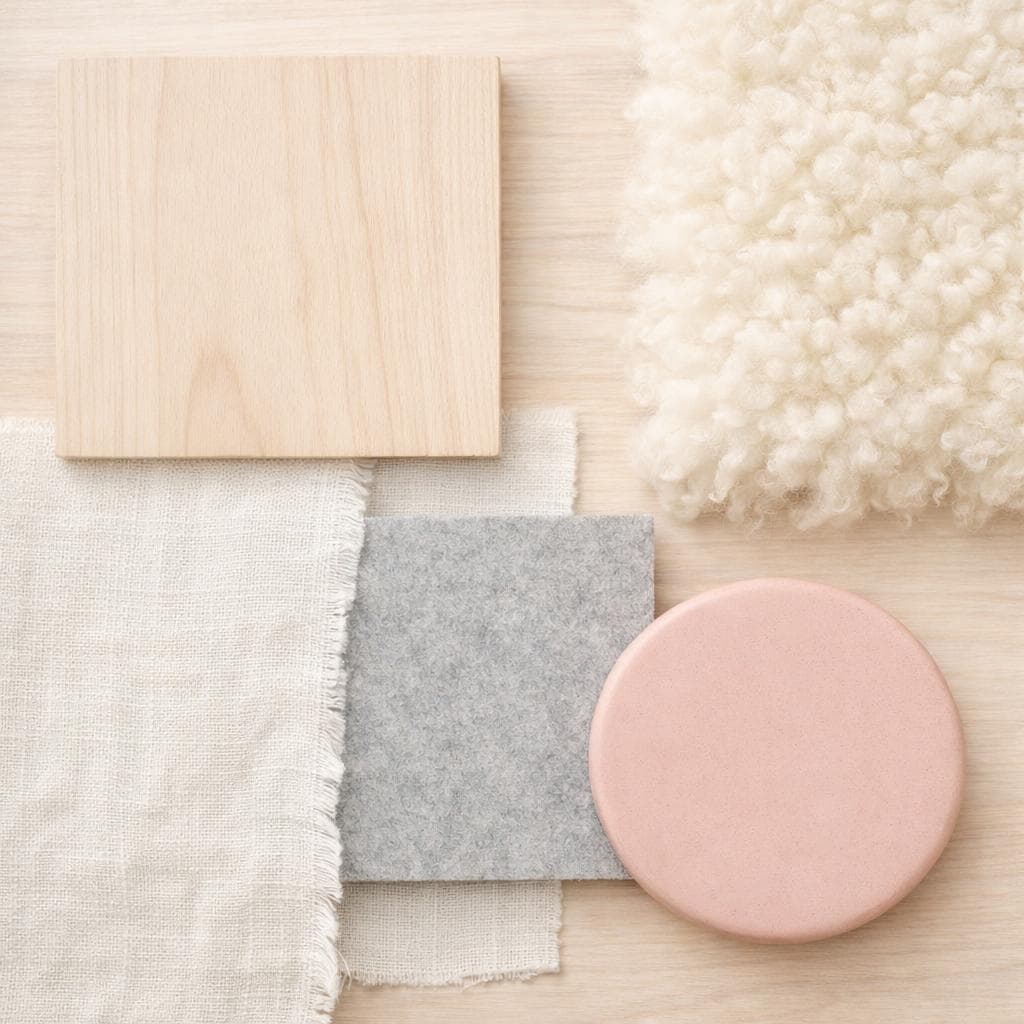

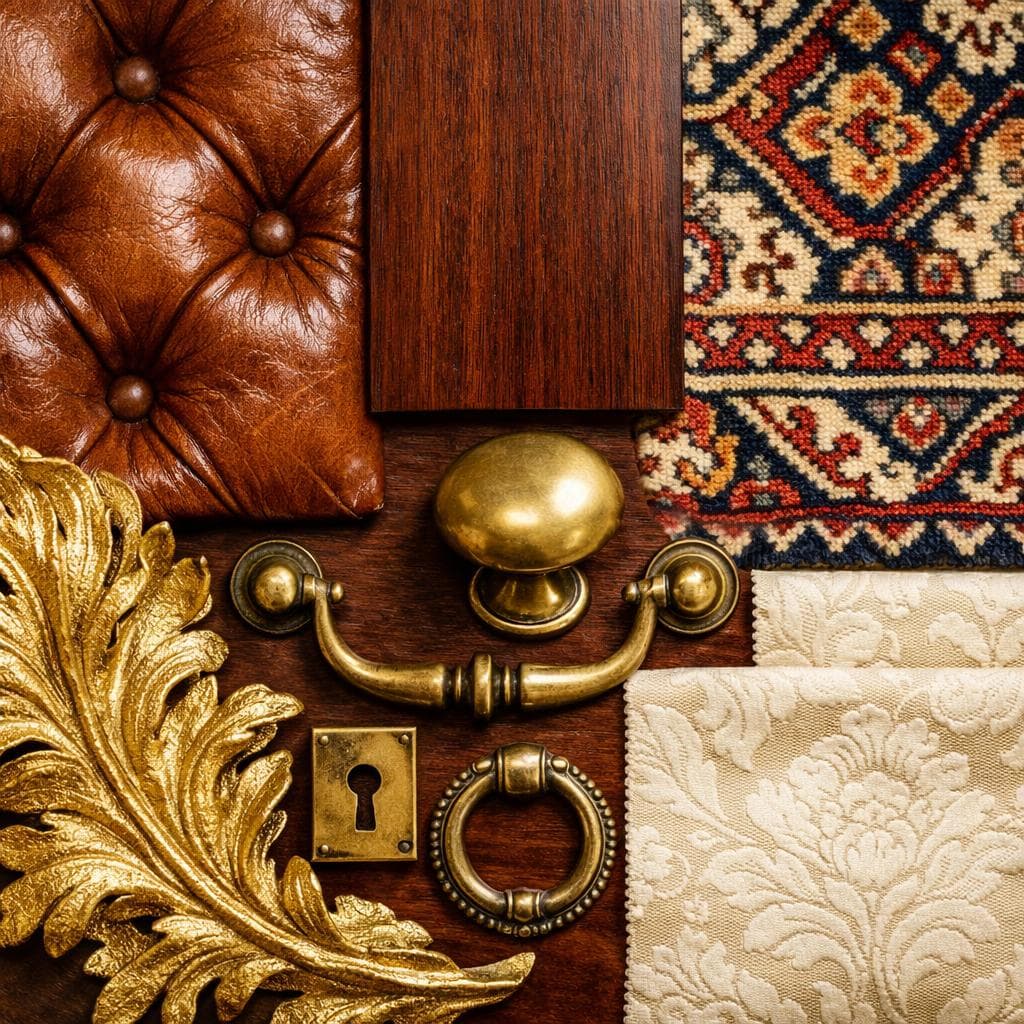
Cottagecore is a design aesthetic born from a longing for simpler times, a romanticized vision of rural life where handmade objects, natural materials, and gentle imperfection are celebrated. Emerging as a cultural movement in the late 2010s, cottagecore drew on traditions of English country cottages, Scandinavian farmsteads, and the Arts and Crafts movement to create spaces that feel nurturing, nostalgic, and deeply personal.
The look is characterized by softness at every level. Furniture tends toward the gently worn: slipcovered sofas in washed linen, painted wood dressers with visible brush strokes, and mismatched dining chairs that suggest a home built over generations rather than purchased in a single trip. Wicker, rattan, and light woods appear in baskets, trays, and accent pieces. Everything feels touchable and lived-in.
Pattern and textile are where cottagecore truly shines. Floral prints, gingham checks, and hand-embroidered cushions appear throughout, layered with crocheted throws, quilted blankets, and lace curtains. The color palette is drawn directly from a wildflower meadow: soft sage, dusty rose, lavender, buttercup yellow, and cream. Dried flower arrangements, ceramic pitchers filled with garden cuttings, and vintage china displayed on open shelves complete the pastoral scene.
Creating a cottagecore space is as much about attitude as acquisition. Visit thrift stores and estate sales for pieces with patina and character. Display your grandmother's teacups, frame pressed flowers, and fill mason jars with wildflowers from the garden. The goal is not perfection but warmth, a space that invites you to slow down, make a cup of tea, and curl up with a good book.
Frequently asked questions
What is the difference between cottagecore and farmhouse style?
Farmhouse is more rustic and structural, with shiplap walls, barn doors, and industrial accents like wrought iron. Cottagecore is softer and more romantic, emphasizing florals, pastels, vintage textiles, and garden-inspired details. Farmhouse has a modern edge; cottagecore embraces nostalgia and gentle imperfection.
Can cottagecore work in a modern apartment?
Yes, and the contrast can be beautiful. Soften hard modern lines with floral cushions, lace curtains, and vintage accessories. A wicker basket, a vase of dried flowers, and a quilted throw can transform a minimalist space. You do not need a thatched roof to capture the spirit of the style.
How do I keep cottagecore from looking cluttered?
Curate carefully. The key is intentional abundance, not random accumulation. Group similar items together, such as a cluster of ceramic pitchers or a shelf of vintage books. Use open shelving to display collections neatly. Choose a consistent color palette so the varied pieces feel harmonious.
Where do I find cottagecore furniture and decor?
Thrift stores, estate sales, flea markets, and online vintage shops are the best sources. Look for pieces with visible age and character: chipped paint, worn wood, faded floral fabric. Etsy and local craft fairs are great for handmade items like embroidered cushions and ceramic pottery.
See Cottagecore before you commit
Upload a photo and get a photorealistic AI redesign in under a minute. Start with 2 free renders.