Transitional room design ideas
The perfect balance between traditional warmth and contemporary clean lines
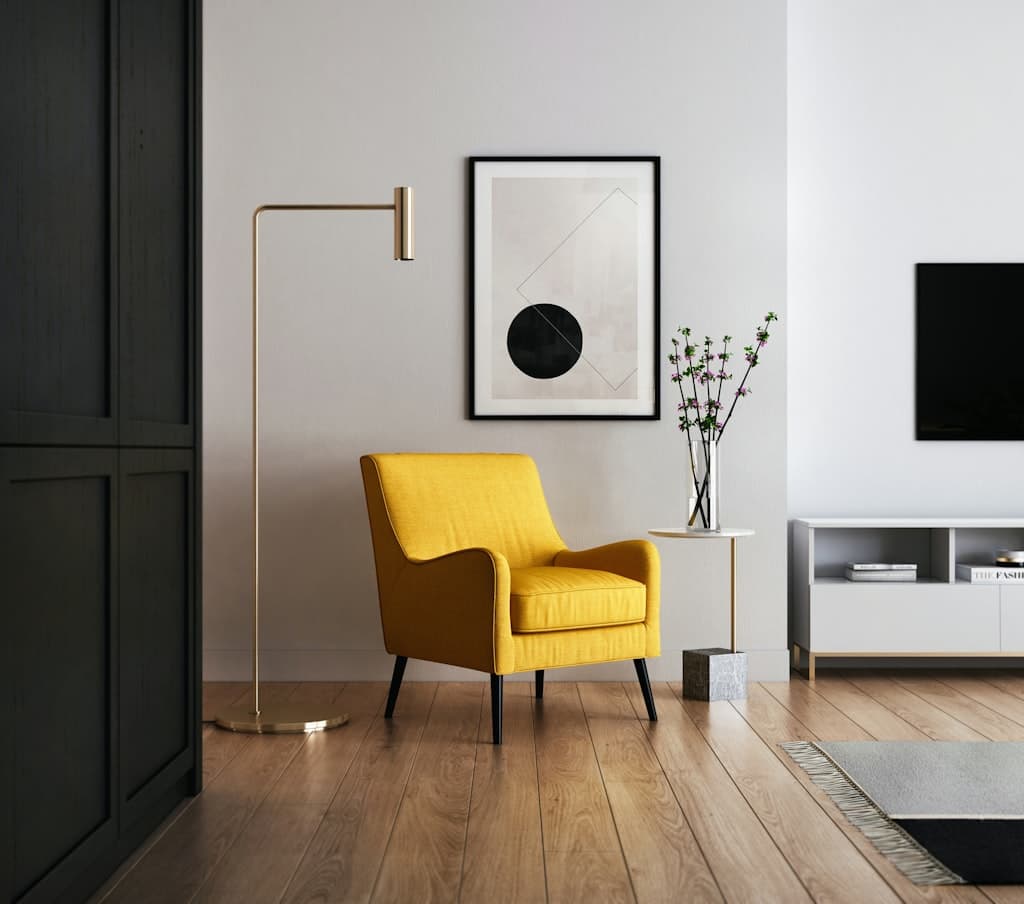 Before
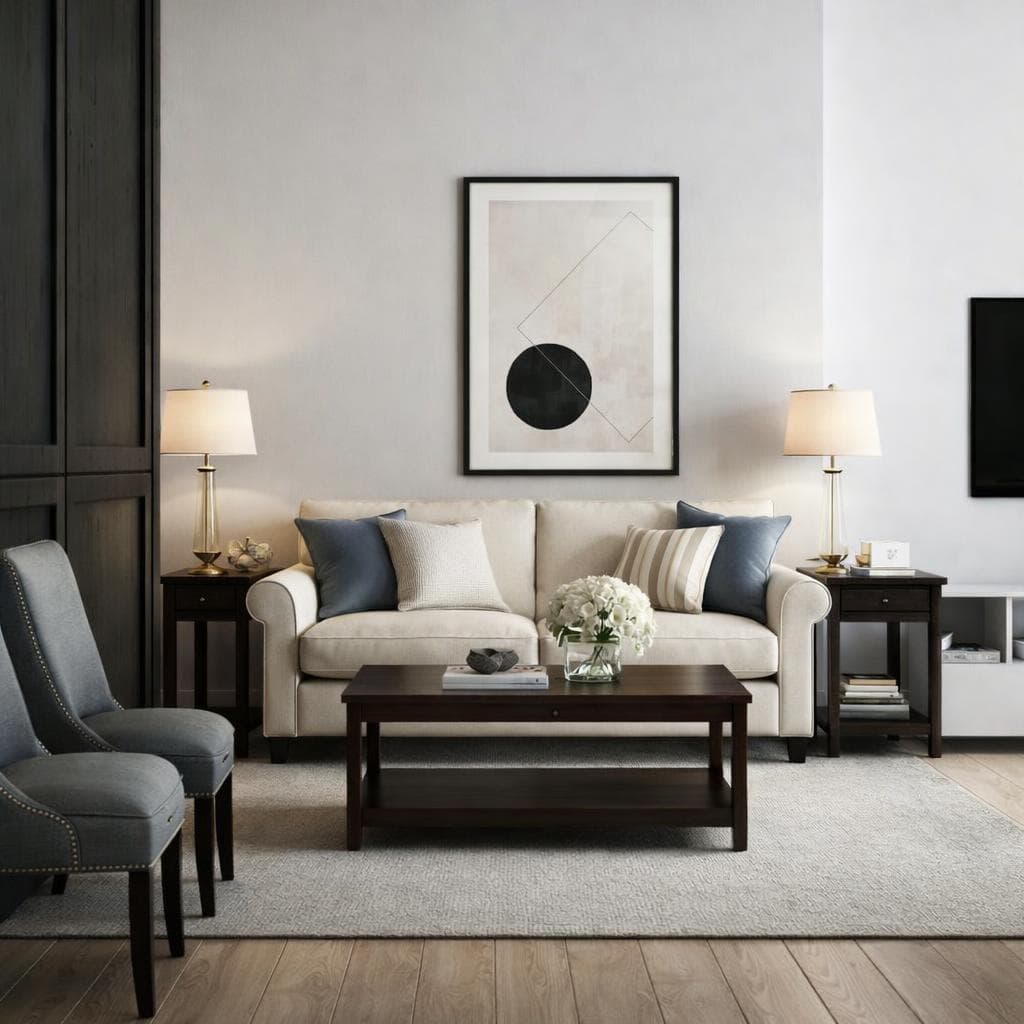 After
After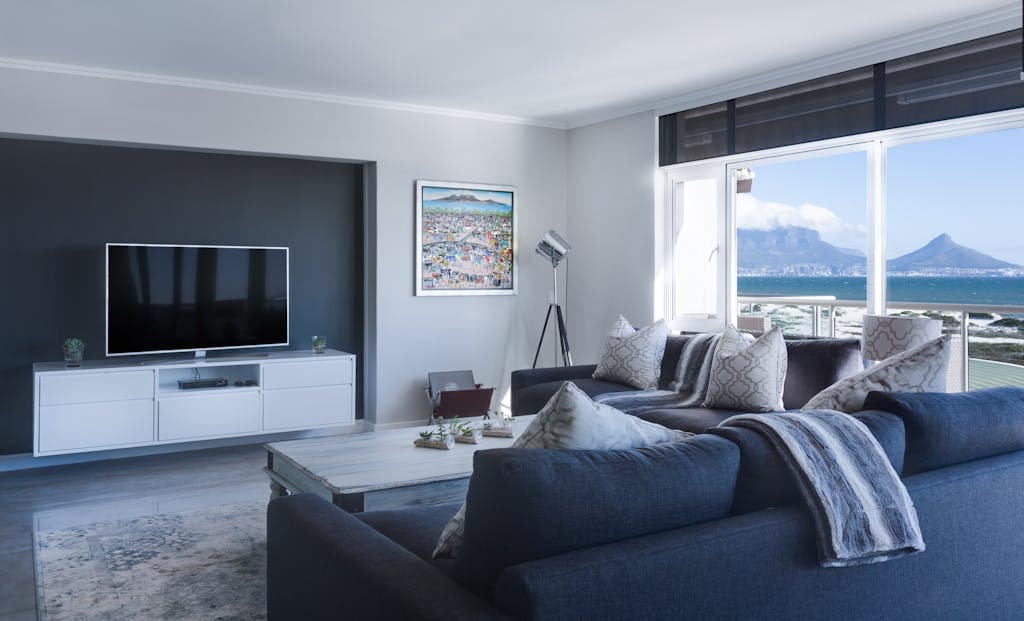 Before
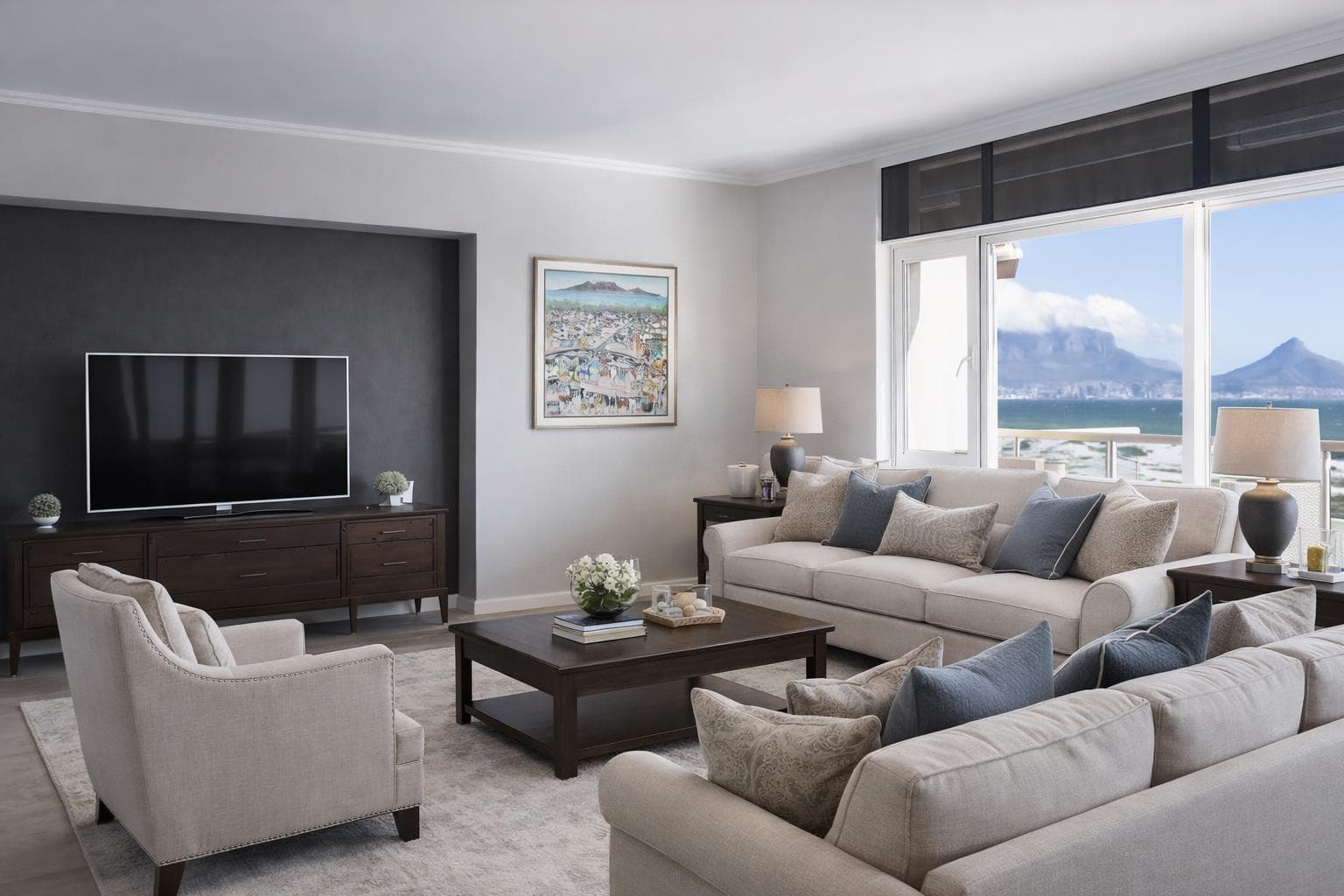 After
AfterSee Transitional in your room before you buy
Upload a photo and get a photorealistic redesign in under a minute
Key elements of Transitional
Simplified classic silhouettes
Traditional furniture shapes like rolled arms and turned legs, but stripped of excessive ornamentation for a cleaner look.
Warm neutral palette
Taupe, cream, charcoal, and soft whites create a sophisticated backdrop that works with both traditional and modern accents.
Subtle texture over pattern
Tone-on-tone textiles, bouclé, herringbone, and fine linen provide visual interest without competing for attention.
Mixed materials
Dark wood paired with polished metal, glass with stone, and matte with sheen create depth through material contrast.
Symmetrical arrangements
Balanced layouts with matched pairs of lamps, end tables, and accent chairs ground the room in classical proportion.
Understated accessories
Fewer, larger-scale decorative objects replace collections of small items for a clean, uncluttered feel.
Transitional works particularly well in:
Styles that pair well with Transitional
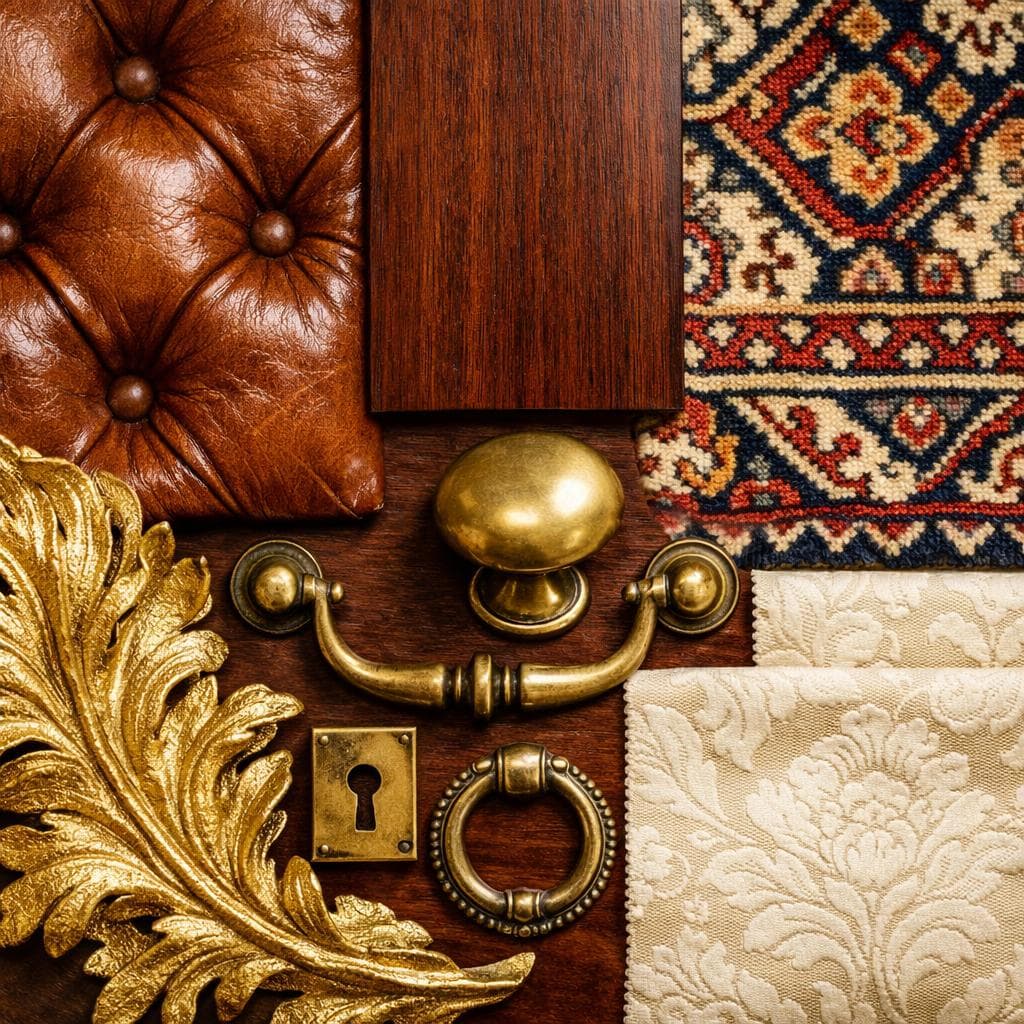
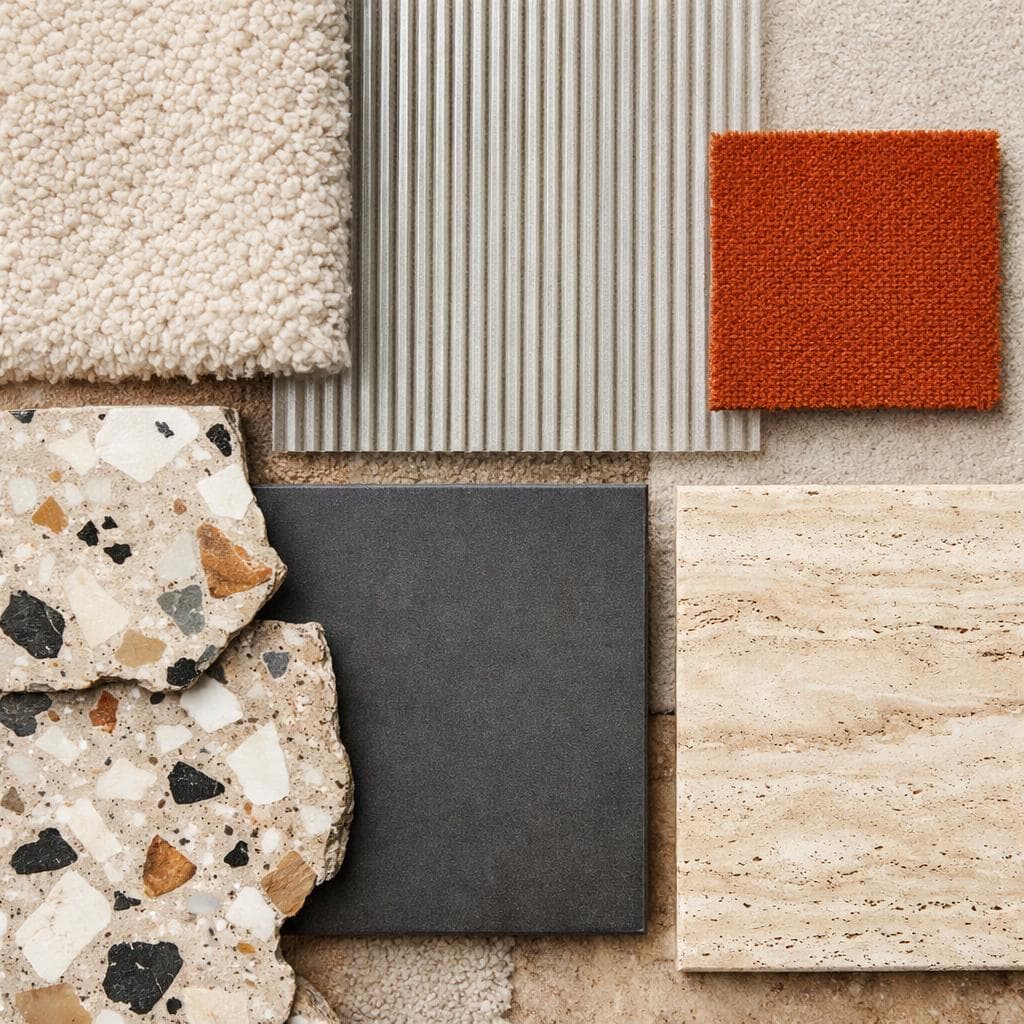
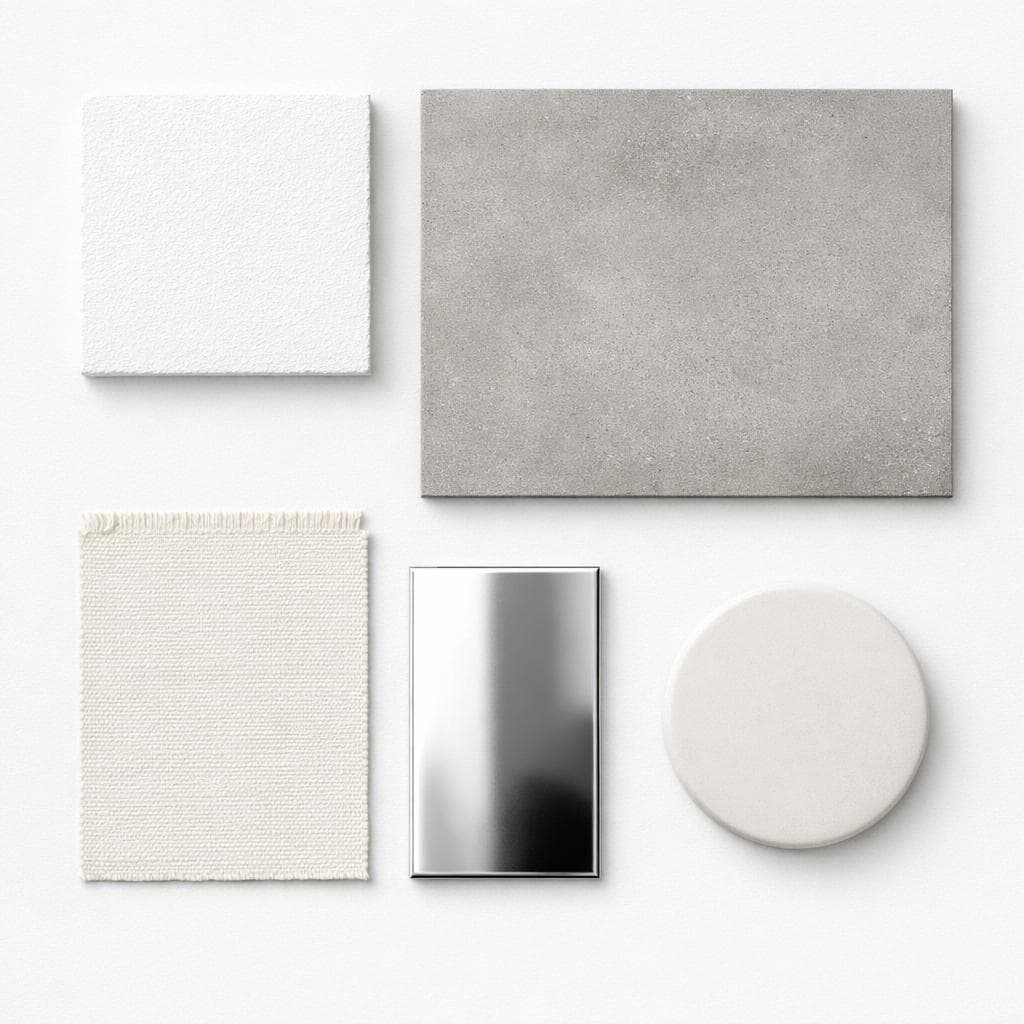
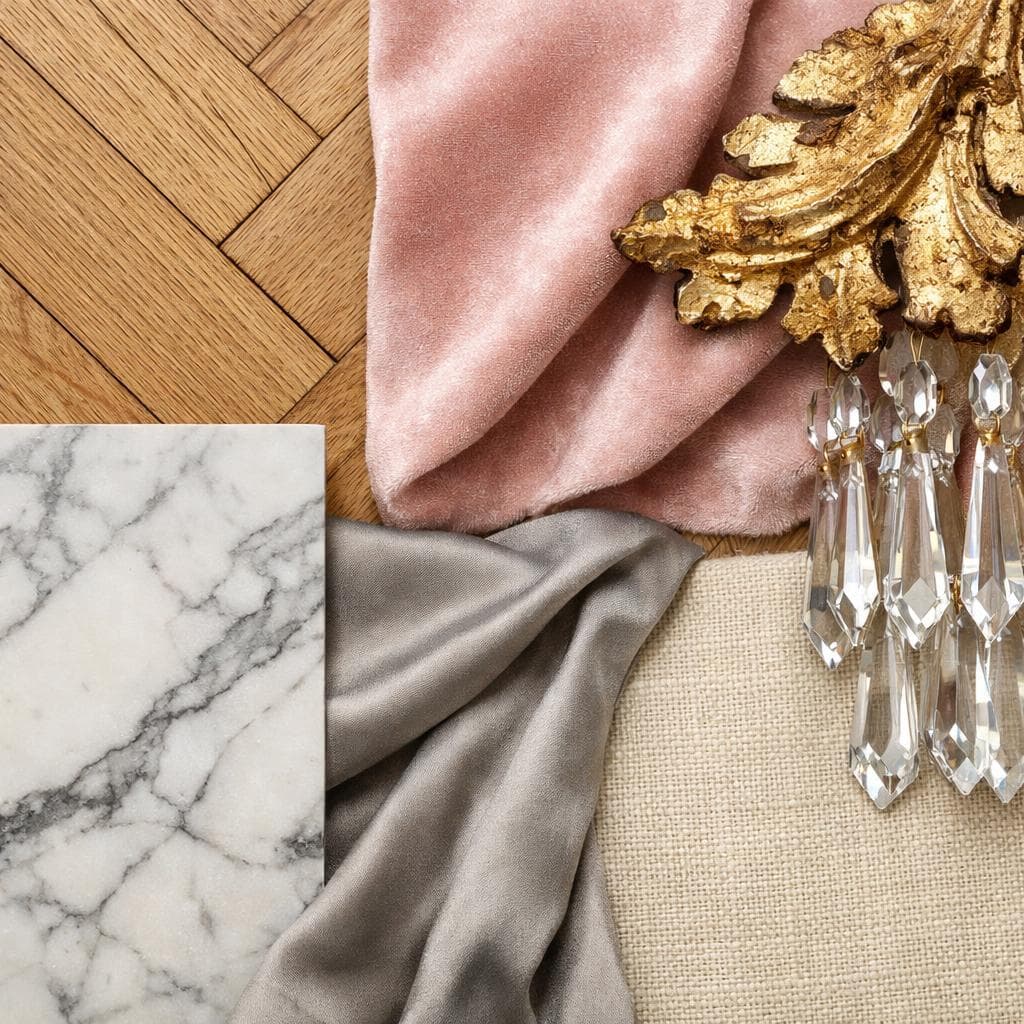
Transitional design bridges the gap between traditional elegance and contemporary simplicity. It emerged as homeowners began seeking interiors that felt neither stuffy and ornate nor stark and cold, but rather comfortably in the middle. The result is a style that borrows the best from both worlds: the warmth and richness of classic design paired with the clean lines and understated palette of modern spaces.
The foundation of transitional interiors is balance. Furniture has recognizable traditional shapes like rolled arms on sofas and cabriole legs on accent chairs but rendered with simplified profiles and neutral upholstery instead of busy patterns. Dark woods like walnut and espresso provide grounding weight, while lighter finishes in linen and cotton keep the room from feeling heavy. The effect is familiar yet fresh, a space that feels considered rather than decorated.
Color palettes in transitional rooms lean toward warm neutrals: taupe, cream, charcoal, and soft whites form the base, accented with muted tones of slate blue, sage, or dusty gold. Pattern is used sparingly and in subtle forms like tone-on-tone damask, fine herringbone, or simple geometric textiles. The walls stay mostly neutral, letting texture and material do the visual work rather than color contrast.
To achieve transitional style, start by editing: remove anything that feels overly ornate or aggressively modern. Replace heavy drapery with clean-lined panels in natural linen, swap out brass and crystal chandeliers for simpler drum pendants, and balance any antique pieces with contemporary art. The goal is a room where no single piece dominates, where traditional warmth and modern restraint exist in quiet harmony.
Frequently asked questions
What makes transitional different from traditional design?
Traditional design embraces ornate details, rich patterns, and formal arrangements. Transitional takes the underlying shapes and proportions of traditional furniture but simplifies them, strips away excess decoration, and uses a more restrained palette. The result feels classic without being dated.
Is transitional design boring?
Not at all. The subtlety is the point. Transitional rooms have depth through texture, material contrast, and careful proportion rather than bold color or pattern. The style is deliberately quiet, which makes it enduring and livable. It is often the most comfortable style to live in long-term.
How do I add personality to a transitional room?
Artwork is your best tool. A large contemporary painting above a traditional mantel is quintessentially transitional. Personal objects like travel finds, family photographs in simple frames, or a collection of vintage books add character without clashing with the neutral palette.
What furniture materials work best for transitional style?
Dark-stained hardwoods like walnut or espresso-finished oak for case goods, linen and cotton in neutral tones for upholstery, and brushed nickel or muted gold for hardware. Avoid high-gloss finishes and ultra-modern materials like acrylic or chrome.
See Transitional before you commit
Upload a photo and get a photorealistic AI redesign in under a minute. Start with 2 free renders.